„Why the iPhone is about to get more expensive“
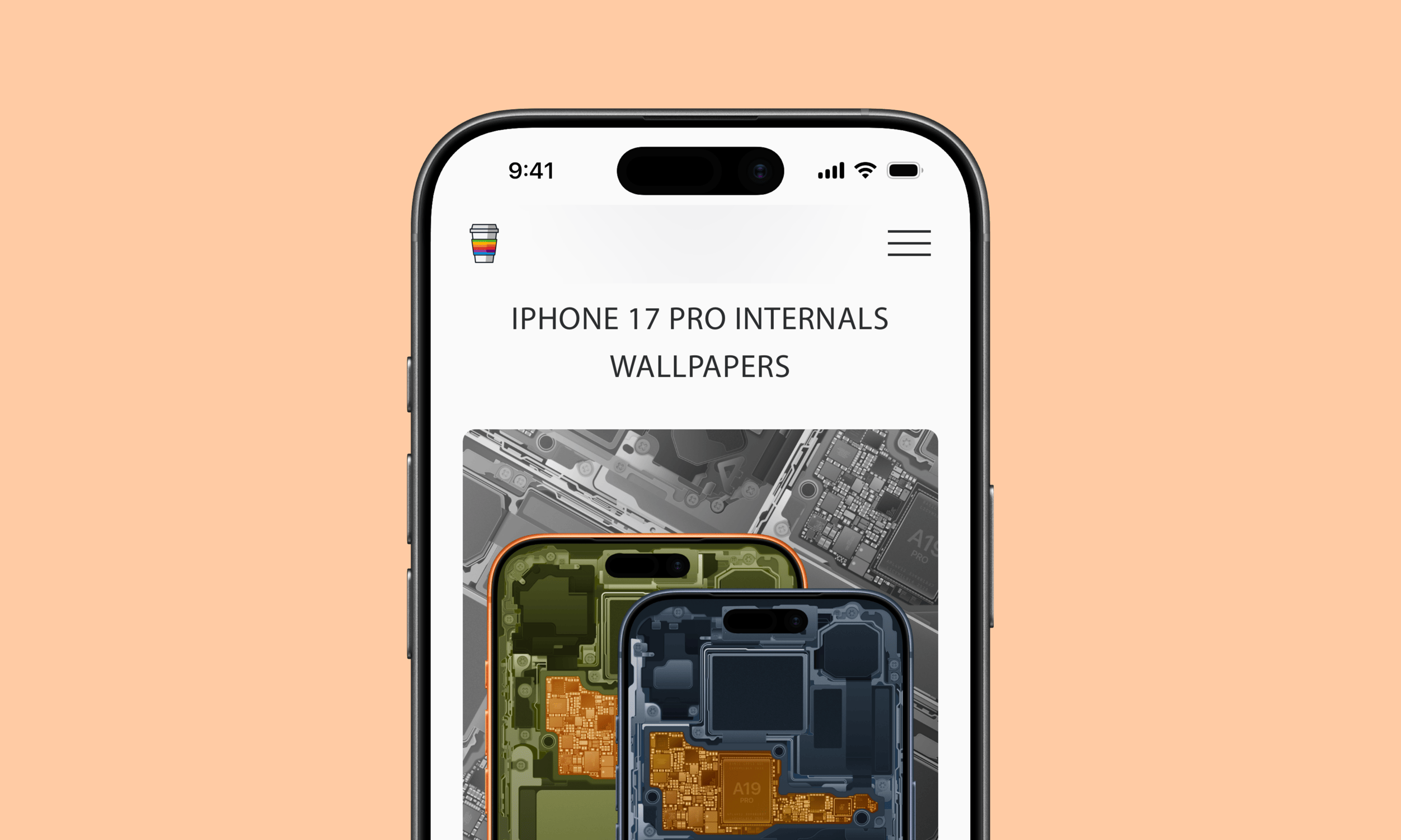
via BasicAppleGuy
In other words, AI isn’t just making electronics cost more. The memory shortage is changing which electronics companies bother making in the first place.
Rani Molla | The Verge
Der Aufhänger des Artikels ist das iPhone – was auch sonst.
Der Artikel selbst reicht allerdings darüber hinaus, hätte aber noch stärker auf die sichtbaren Folgen eingehen sollen – „AI is killing the cheap smartphone“.
But that model breaks when memory prices spike as much as they’re now spiking. The sub-$100 smartphone risks becoming “permanently uneconomical” as a product. And that means that the budget smartphone makers have been forced to pass memory costs onto consumers: smartphones that sold for $50 are now selling for $120 or more. And price-sensitive consumers have responded by simply not buying phones. […]
In India, the sub-$100 smartphone market collapsed 59 percent year-on-year in the first quarter of 2026: surging memory prices resulted in a “forced premiumization” of the Indian smartphone market. But in the poorest markets, such premiumization isn’t a possibility. In 2025, 81 percent of smartphone shipments in Africa were in the sub-$200 category: as smartphone prices surge, many African consumers will simply be priced out of phone ownership entirely.
Apple verzichtete auf Preiserhöhungen seiner Telefone – nicht nur in den letzten Monaten, sondern auch in den letzten Jahren, und griff damit indirekt dem Servicegeschäft unter die Arme.
Es wird interessant, wie viele Kund:innen von neuen Pro-Modellen und noch teureren Falt-Telefonen das wirklich interessiert – insbesondere mit neuen Leasing-Optionen sowie monatlichen Ratenzahlungen über Mobilfunkanbieter.
Relevanter ist sicherlich eine (neue?) Preisgestaltung für das hervorragende Standard-iPhone 17 sowie das nachfolgende Modell, das voraussichtlich aber erst im Frühling 2027 erscheint.