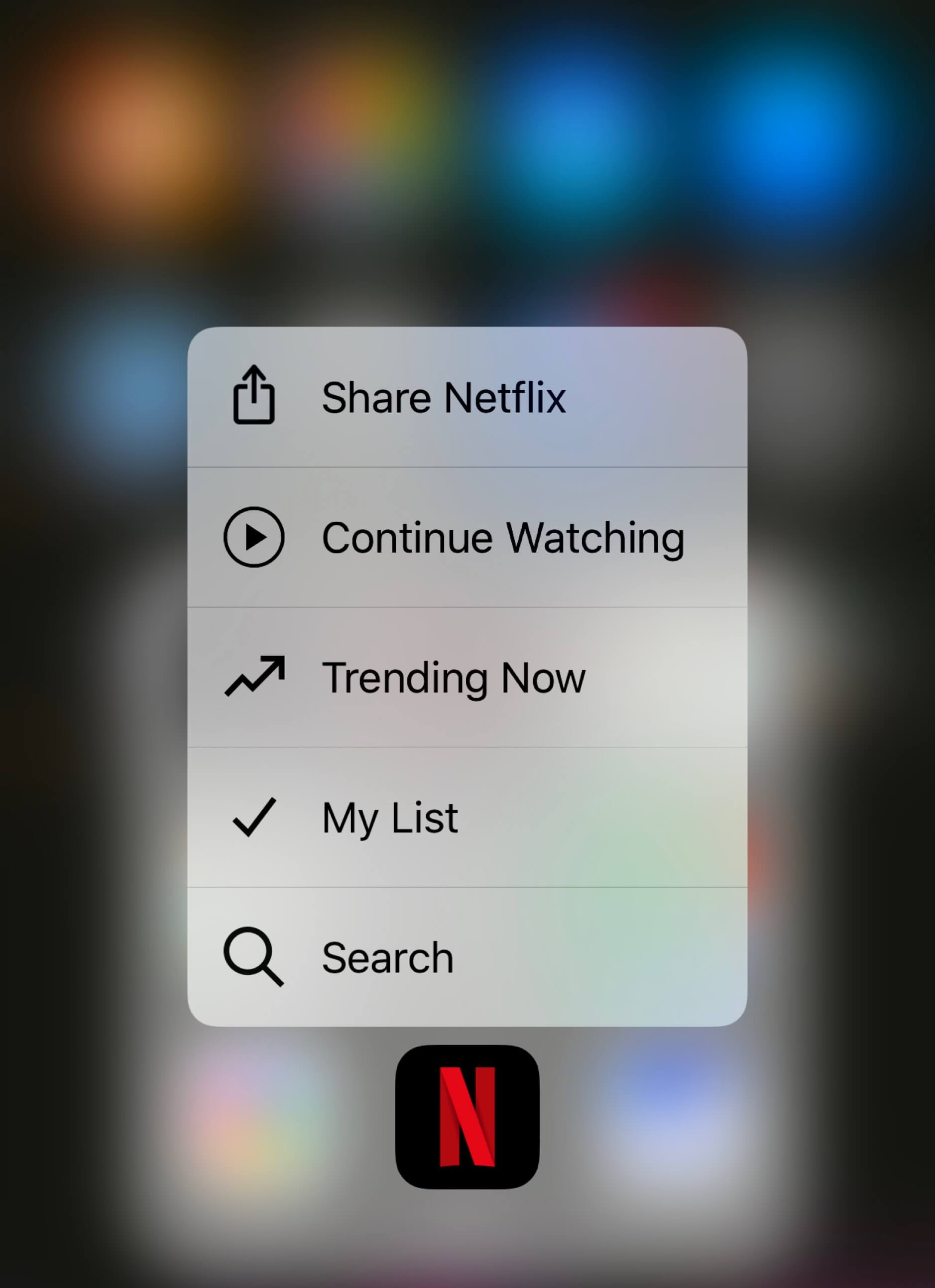
Netflix is further distancing itself from Apple’s iTunes tax bracket. Earlier this year, the streaming giant enabled iOS users in more than two dozen markets to bypass the iTunes payment method as part of an experiment. The company now tells VentureBeat that it has concluded the experiment and has incorporated the change globally.
“We no longer support iTunes as a method of payment for new members,” a Netflix spokesperson told VentureBeat. Existing members, however, can continue to use iTunes as a method of payment, the spokesperson added.
Das Armdrücken zwischen Netflix und Apple um die App-Store-Provision von 30-Prozent1 führt zu einem schlechteren Anwendererlebnis. Das dürfte weder Apple noch Netflix egal sein, jedoch gewann hier bei beiden Firmen das finanzielle Argument.
Netflix gehört zu den umsatzstärkste App-Store-Apps. Sie testen seit Monaten (in 33 Ländern) wie sich das Anmeldeverhalten für ihren Streaming-Dienst ändert, wenn es keine In-App-Bezahloption gäbe. Da sie diese Bezahlmöglichkeit für Neukunden nun streichen, dürften ihre Tests keine großen Veränderungen von Neuanmeldungen gezeigt haben. Zu unterstreichen ist: Netflix wagt sich nicht an die Bestandskunden, die weiterhin per In-App-Abo bezahlen können.
Netflix ist im Gegensatz zu kleineren Anbietern jedoch in einer luxuriösen Position: Ihre Marke ist außerhalb vom App Store bekannt; sie genießen ‚Mindshare‘, der vergleichbar ist mit Spotify und Amazon. Kleinere Anbieter sind dagegen auf die Sichtbarkeit und die tatsächliche Kundenbeziehung angewiesen, die der App Store herstellt.
Netflix besitzt nach eigenen Angaben 130 Millionen Abonnenten; Apples Ökosystem verzeichnet aktuell „30,000 third-party subscription apps“ mit „over 330 million paid subscriptions“. Der größte Abo-Anbieter – höchstwahrscheinlich Netflix – soll weniger als 0,3-Prozent von Apples Servicesparte repräsentieren. Eine Angabe, die Tim Cook sicherlich nicht zufällig während der letzten Quartalszahlen verriet.
Apps, die Apples Bezahlschnittstelle verwenden, müssen 30 Prozent ihres Umsatzes an Apple abtreten. Bei Abo-Angeboten senkt Apple die Provision ab dem zweiten Jahr auf 15 Prozent. ↩
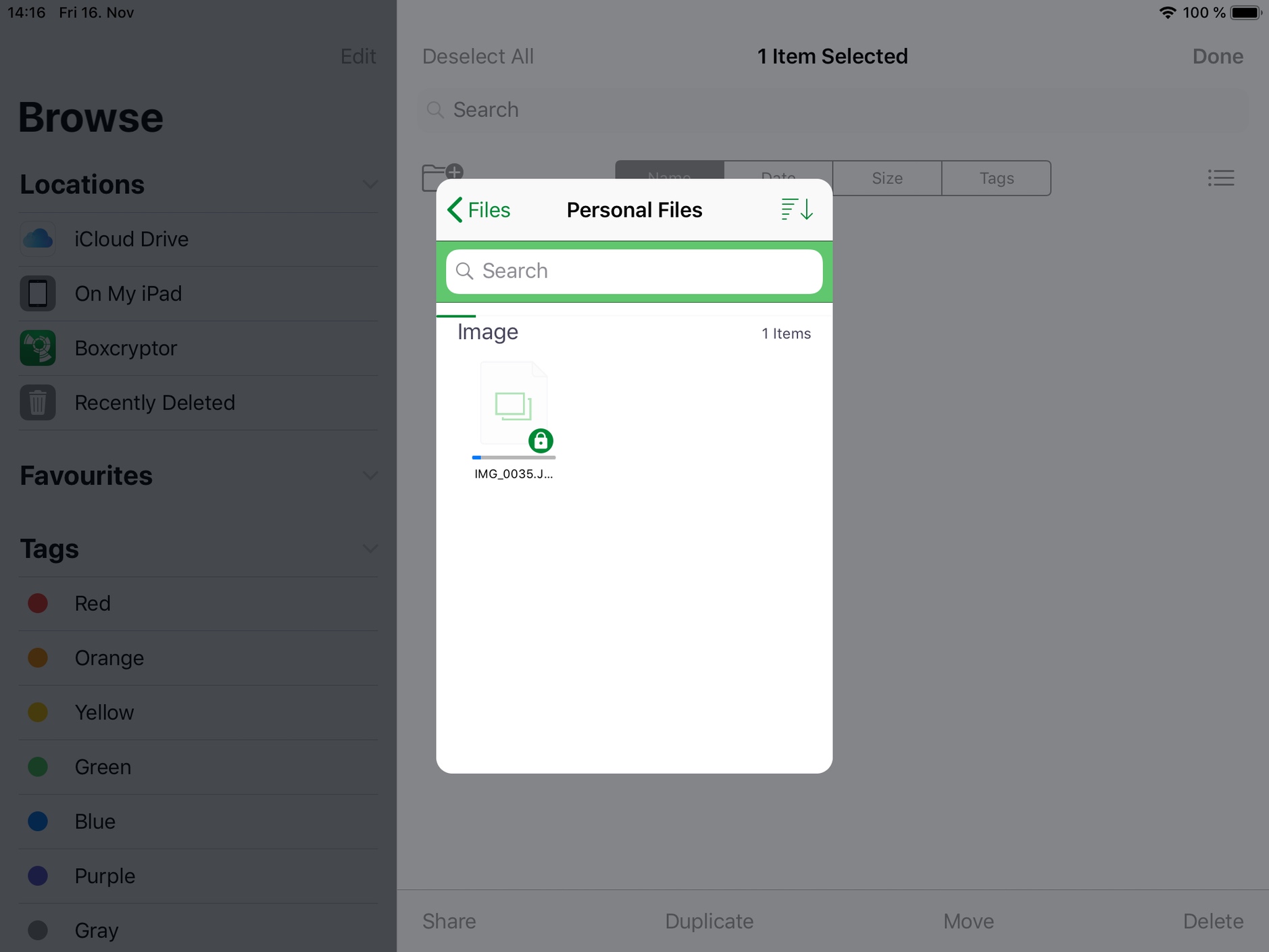
Boxcryptor verschlüsselt private Dateien bei Dropbox, im Google Drive oder auf OneDrive. Die Software aus Augsburg arbeitet seit kurzer Zeit auch Hand in Hand mit Apples Dateien-App auf iOS. Richtig gelesen: Die Boxcryptor-Anwendung zeigt sich als neuer Speicherort in der integrierten Dateien-App von Apple. Das ermöglicht ein bequemes Durchsuchen und schnelles Auffinden von allen euren verschlüsselten Dokumenten!
Sicherheit durch Verschlüsselung bei maximaler Bedienerfreundlichkeit: Niemand hat mehr eine Ausrede seine Dateien nicht zu schützen. Und so geht es: Erstellt einen verschlüsselten Ordner innerhalb der Boxcryptor-App. Nun verschiebt ihr eure persönlichen Dokumente und wichtige Bilder mittels Drag & Drop auf das Boxcryptor-Laufwerk, die dadurch automatisch verschlüsselt werden und anschließend über die iOS-Dateien-App erreichbar sind. Leichter geht es kaum.
Schaut unbedingt im Boxcryptor-Blog für mehr Informationen vorbei. Boxcryptor kann man in einer Basisversion – mit einem Cloud-Konto und zwei Geräten – dauerhaft und kostenlos testen. Eine individuelle Jahreslizenz kostet lediglich drei Euro im Monat.
Gewinnspiel
Apropos Jahreslizenz: Wer sich bei mir auf Twitter (@iphoneblog) bis zum 31.12.2018 meldet, und im Tweet den Hashtag #Boxcryptor erwähnt, kann eine von drei Jahreslizenzen abstauben.
Vielen Dank an das gesamte Team von Boxcryptor für die Unterstützung von iPhoneBlog.de in dieser Weihnachtswoche!
Noch bis heute Abend gibt Apple selbst Rabatt beim Kauf von App-Store-Guthaben. 15-Prozent gibt es dabei obendrauf. „Guthaben zu Apple-ID hinzufügen“ nennt sich der Menüpunkt in der App-Store-App unter euren Kontoinformationen.
Die in meinem Video genannten Apps habe ich hier noch einmal direkt verlinkt:
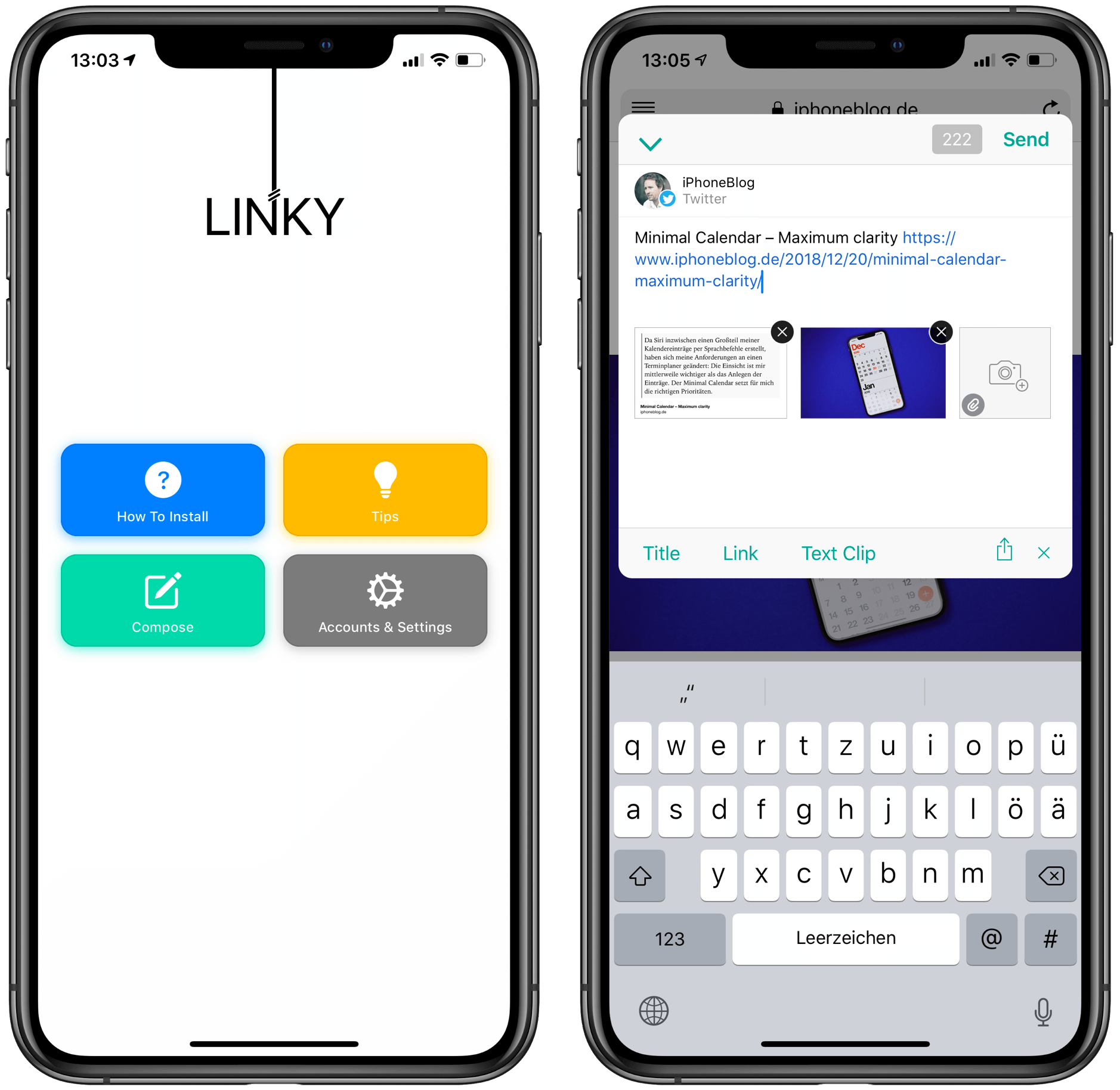
Linky (universal; 4,49€) twittert Text(‑shots), URLs und Bilder – auch gleichzeitig an mehrere Accounts. Über die Safari-Extension zieht sich die Anwendung automatisch die Artikelüberschrift, den dazugehörigen Weblink und durchforstet alle Bilder, die auf dieser Seite eingebunden sind. Diese Bilder lassen sich anschließend mit nur einem Fingerzeig in den Tweet übernehmen und bei Bedarf mit Anmerkungen, Unterstreichungen oder Hervorhebungen bekritzeln.
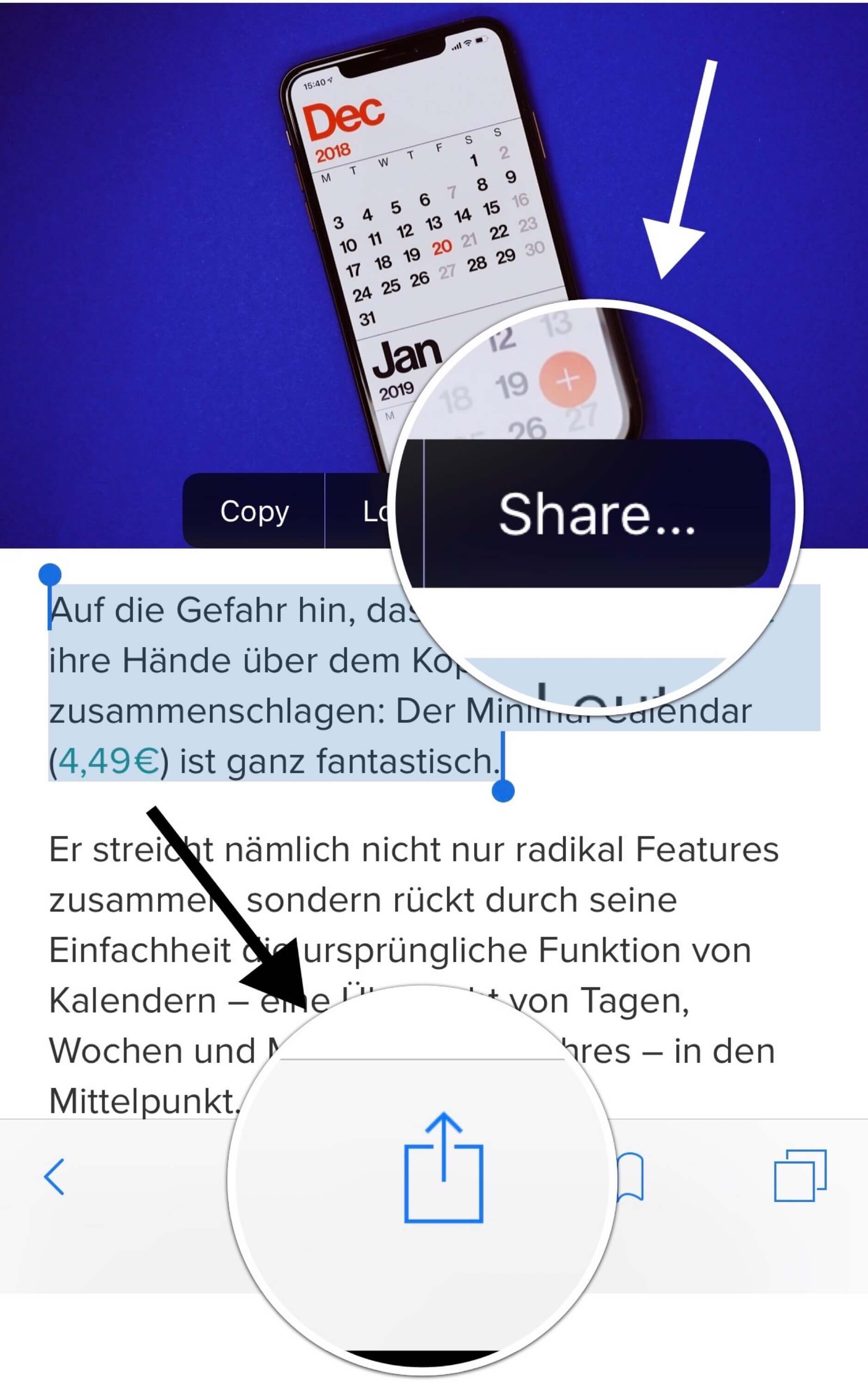
Markiert ihr Text aus einem Web-Beitrag und drückt dann die Share-Extension, übernimmt Linky diesen Text als Zitat in den Tweet. Längere Zitate bindet Linky als sogenannte ‚Text Shot‘ ein – einen Screenshot mit dem erwünschten Textauszug.
iOS besitzt hier eine interessante Einschränkung, auf die mich Linky-Entwickler Benoît Bourdon hingewiesen hat: Der Share-Button in der Menüzeile erlaubt es der Linky-Extension sich sowohl die Textauswahl sowie die Web-URL zu ziehen. Markiert man dagegen Text und benutzt den Share-Button, der direkt über dem markierten Wort aufspringt, liefert iOS über diese Share-Erweiterung nicht die ausreichenden Informationen mit denen (in diesem Fall) Linky einen ‚Text Shot‘ erzeugen kann.
Die iOS-Limitierung ist verwirrend, weil beide Share-Sheets für den Nutzer identisch aussehen.
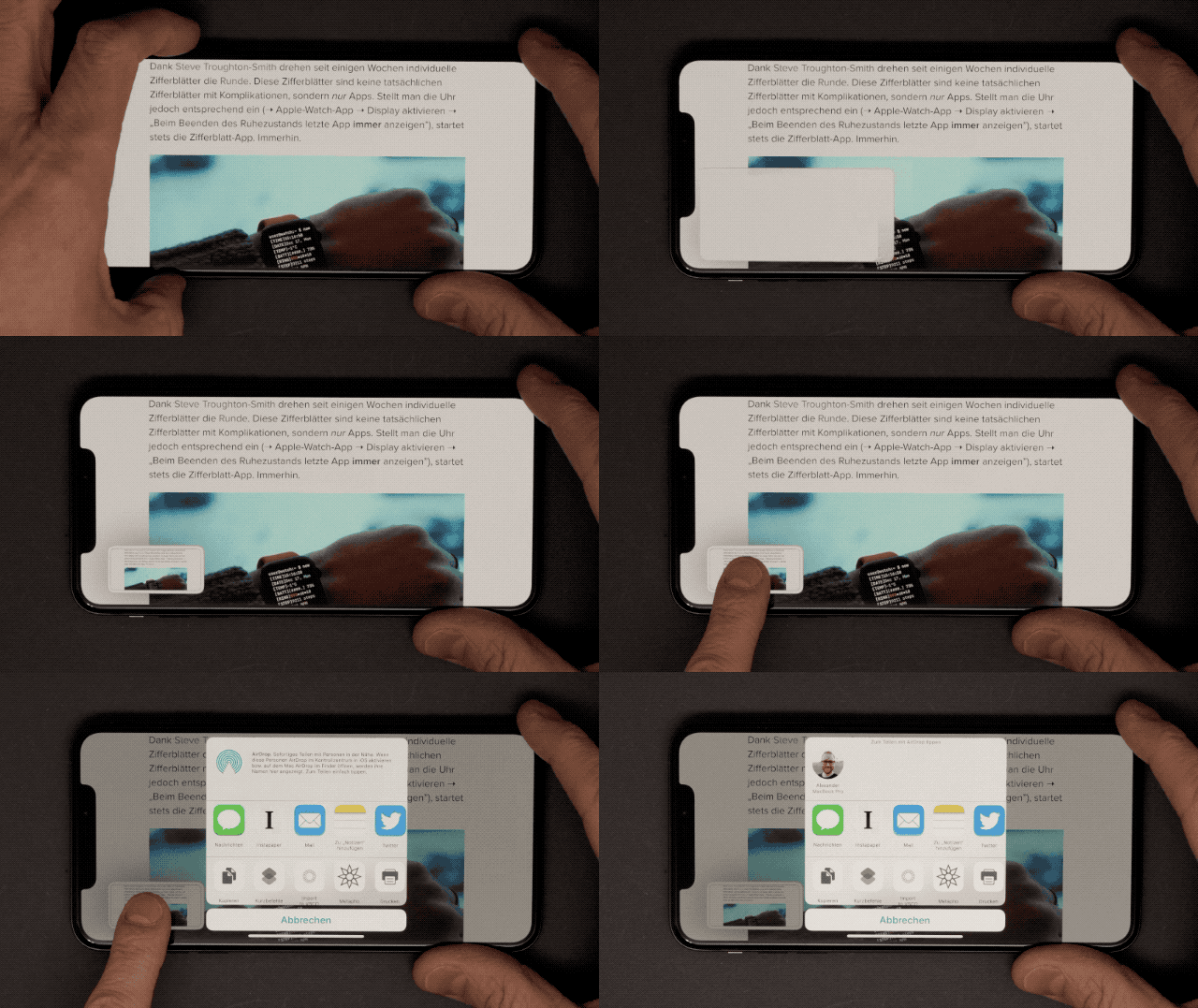
Nicht neu, aber immer noch hilfreich: Um schnell(er) einen Screenshot zu teilen, haltet euren Finger ein bisschen länger auf der Miniaturansicht des Bildschirmfotos.