Das Thema lässt mich noch nicht los. Das ganz fantastische Just Press Record – das sich vor zwei Wochen ein dreispaltiges iPad-Layout leistete – verschriftlicht alle Audiodateien, die ihr in seinem iCloud-Ordner ablegt.
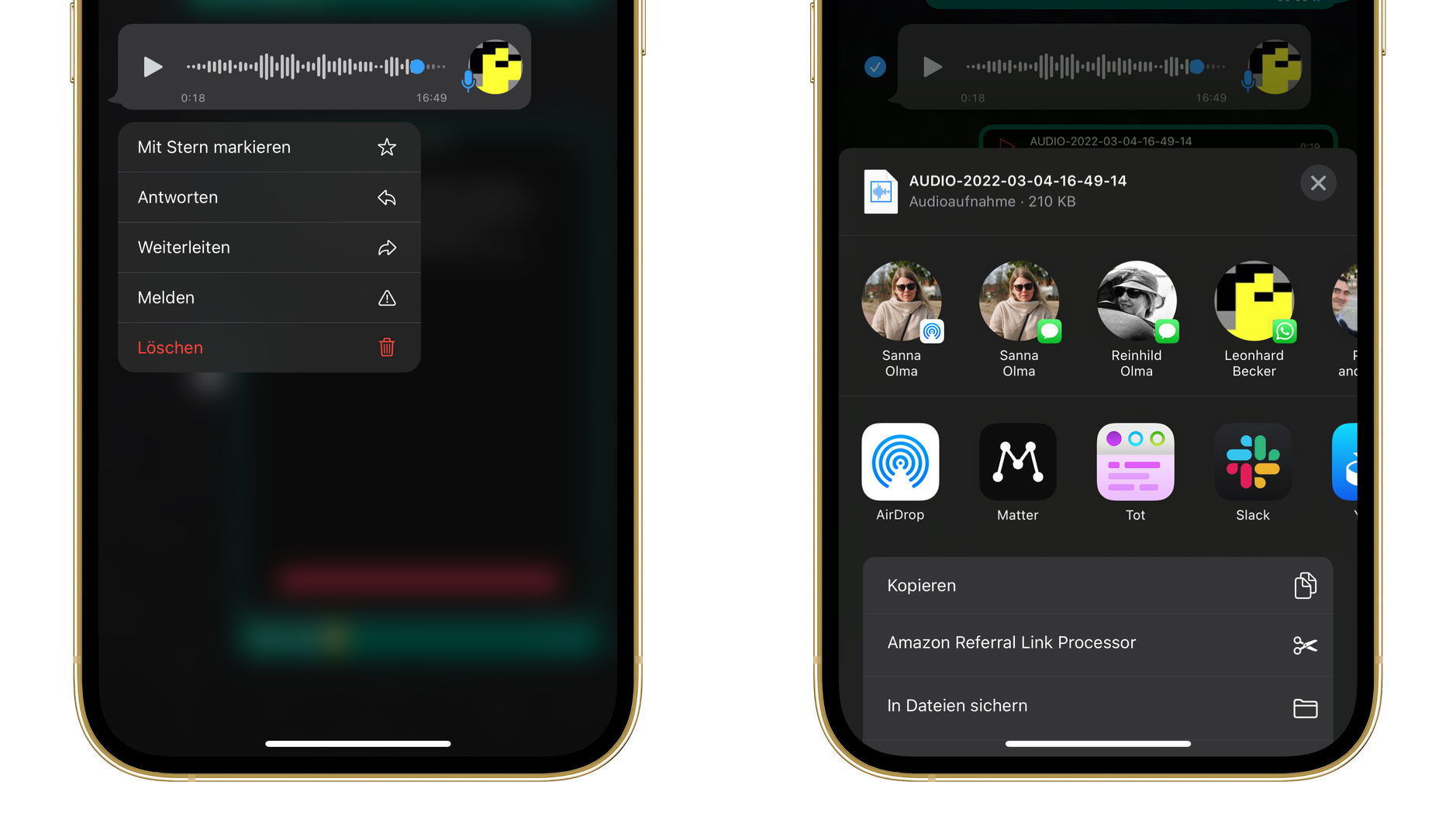
So etwas funktioniert dann beispielsweise auch für WhatsApp-Sprachnachrichten. Ein langer Druck auf empfangene Audiodateien führt in der Chat-App zur Option „Weiterleiten“ und anschließend ins Teilen-Menü (unten rechts).
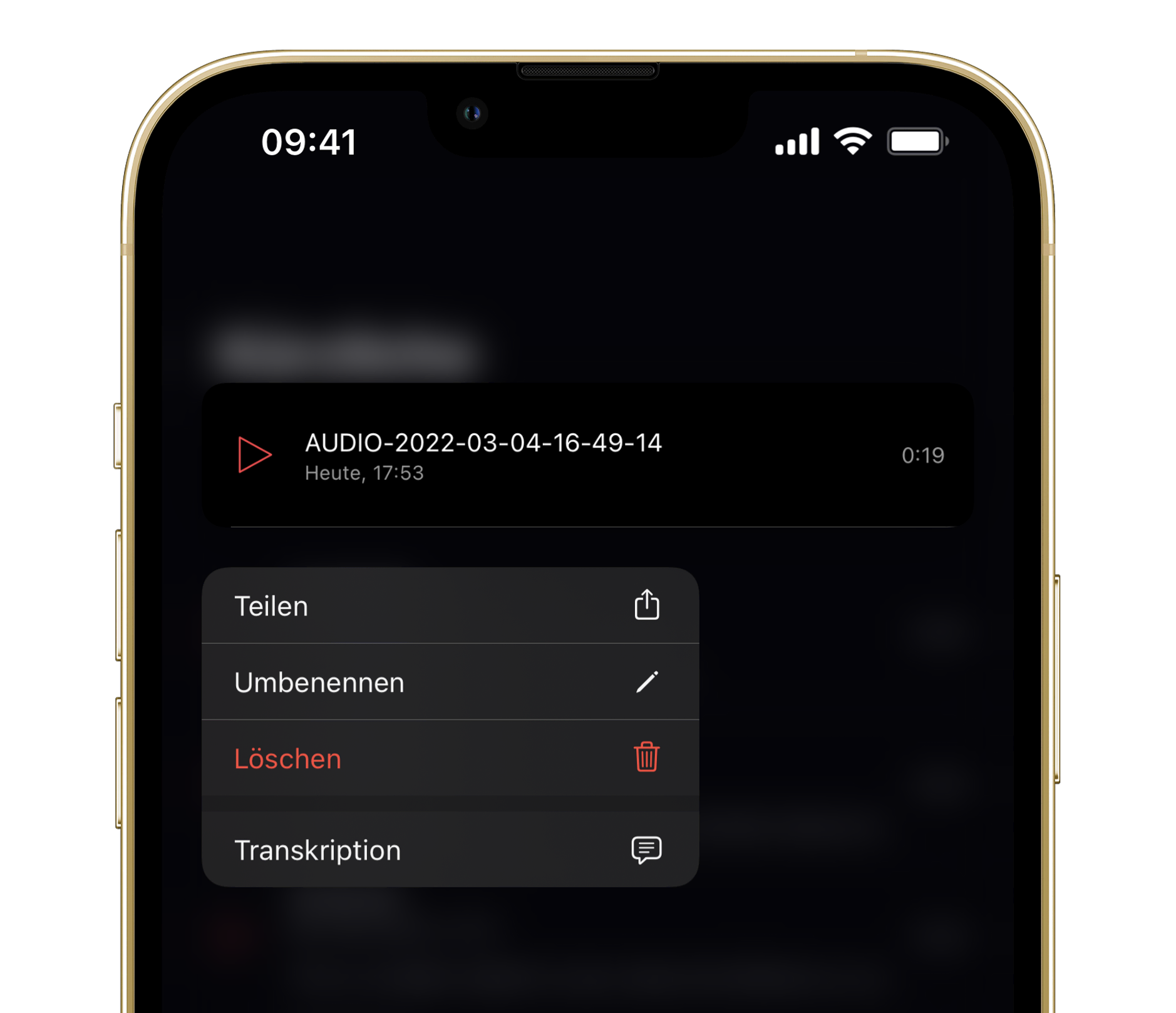
Über „In Dateien sichern“ speichert ihr die M4a-Datei im „Just Press Record“-Ordner. Wenn ihr diese Datei dann in der Diktat-Software öffnet, drückt ihr ebenfalls lange mit dem Finger auf das File und wählt „Transkription“.
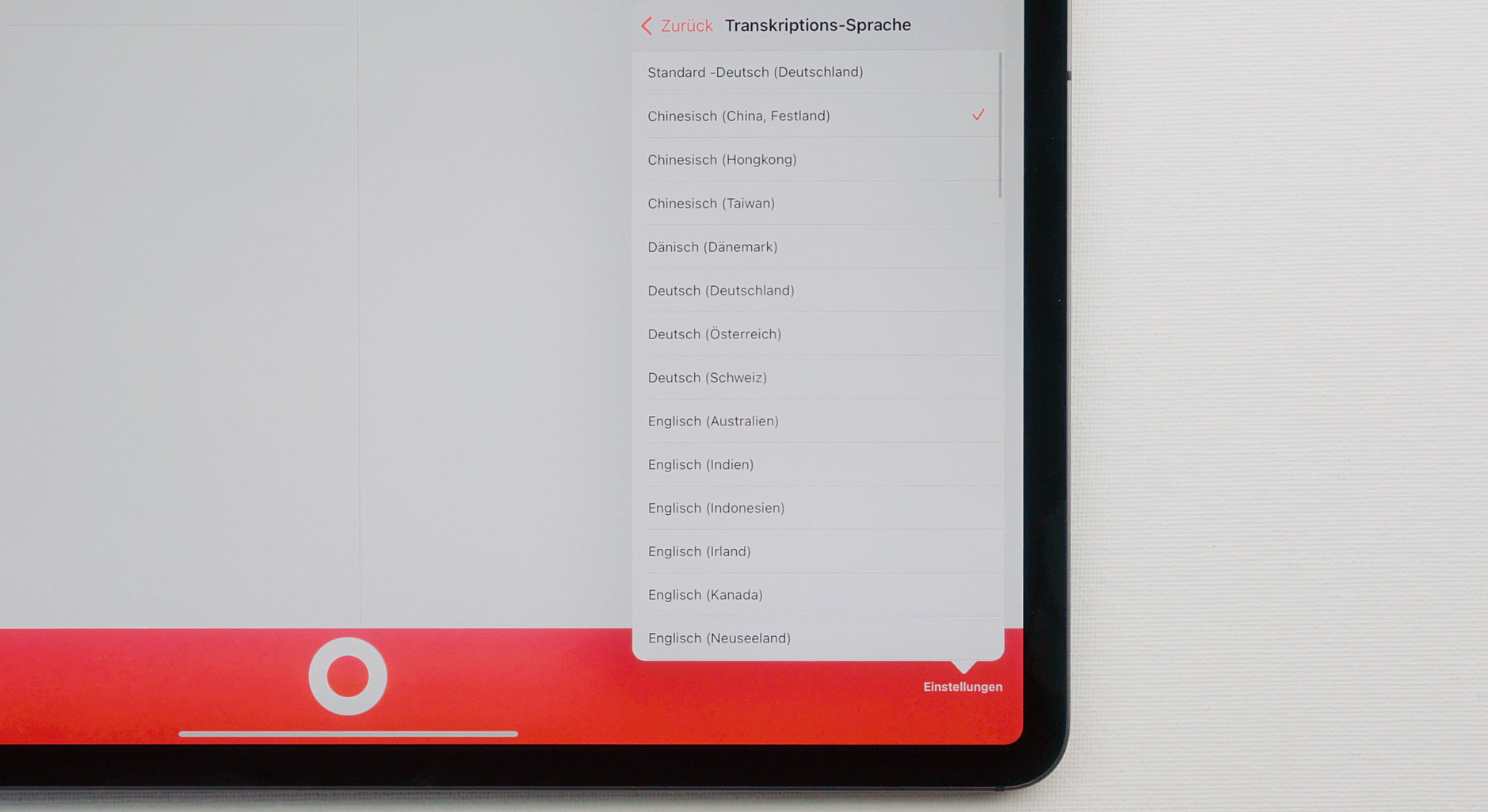
Über die „Just Press Record“-Einstellungen legt ihr die „Transkriptions-Sprache“ fest. Die Software benutzt Apples „Speech-to-text“-Feature, das bis zu 30 Sprachen versteht.
Die Erkennung ist hinreichend gut, um mindestens Stichwörter in allen Sprachnotizen zu suchen. Oft ist aber auch der gesamte Text absolut verständlich in Worte gefasst.
Apples „Sprache-zu-Text“-Funktion holpert jedoch (ausgerechnet) am eigenen Accessibility-Feature „Bildschirminhalt sprechen“ (➝ Bedienungshilfen ➝ Gesprochene Inhalte). Streicht man mit zwei Fingern vom oberen Bildschirmrand nach unten, liest iOS den Text auf dem Screen vor. Wenn ich das anstoße und ein zweites iPhone zur Aufnahme davor halte, erfolgt im Anschluss oft keine sinnvolle Transkription (obwohl die Aufnahmen sich für mich absolut verständlich anhören).
Das „Just Press Record“-Team vermutet, dass die Audioaufnahmen dieser synthetischen Stimme „not human enough“ klingen. Je nach Sprache und Text, kann es einen Unterschied machen, wenn man die Stimmen tauscht (➝ Bedienungshilfen ➝ Gesprochene Hinhalte ➝ Stimmen).
Anyway. Bei allen Diktaten, die tatsächlich Menschen einsprachen, klappte dieser Weg der Transkription ausserordentlich gut.
Russlands Angriff auf die Ukraine führte in meiner Twitter-Timeline zu deutlich mehr (richtig guten) Threads. Die verbundenen Tweets summieren sich teilweise zu Mini-Artikeln auf, die ich mir aufgrund ihres Umfangs zum Lesen vormerken muss. Matter macht’s am besten.
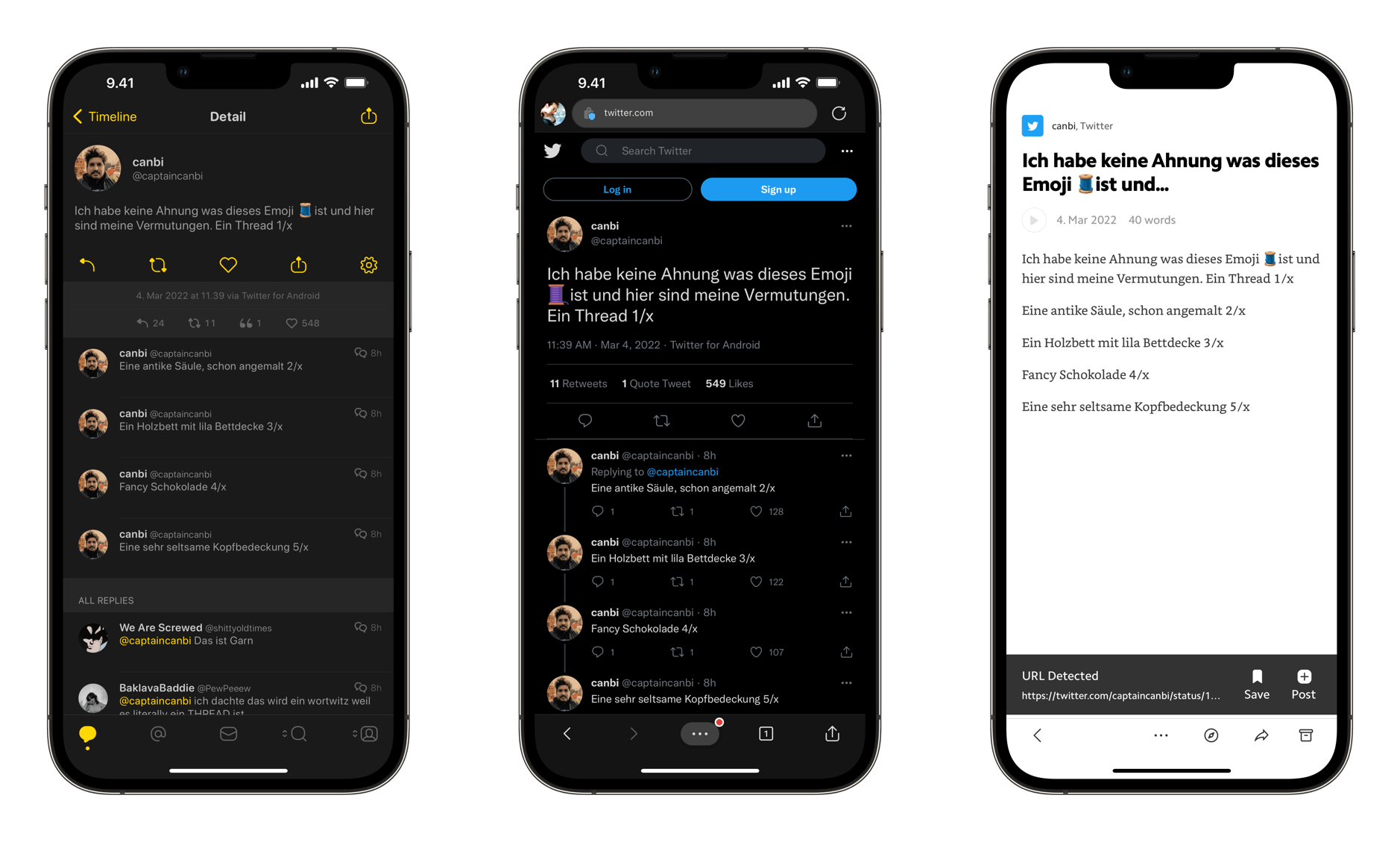
Von links nach rechts: Tweetbot, Web + Matter.
Über das Teilen-Menü schickt ihr einfach den ersten Tweet der Serie zur „Read-it-Later“-App. Dort könnt ihr ihn dann zu einem beliebigen Zeitpunkt durchsehen, euch vorlesen lassen (!) oder archivieren – beispielsweise als PDF.
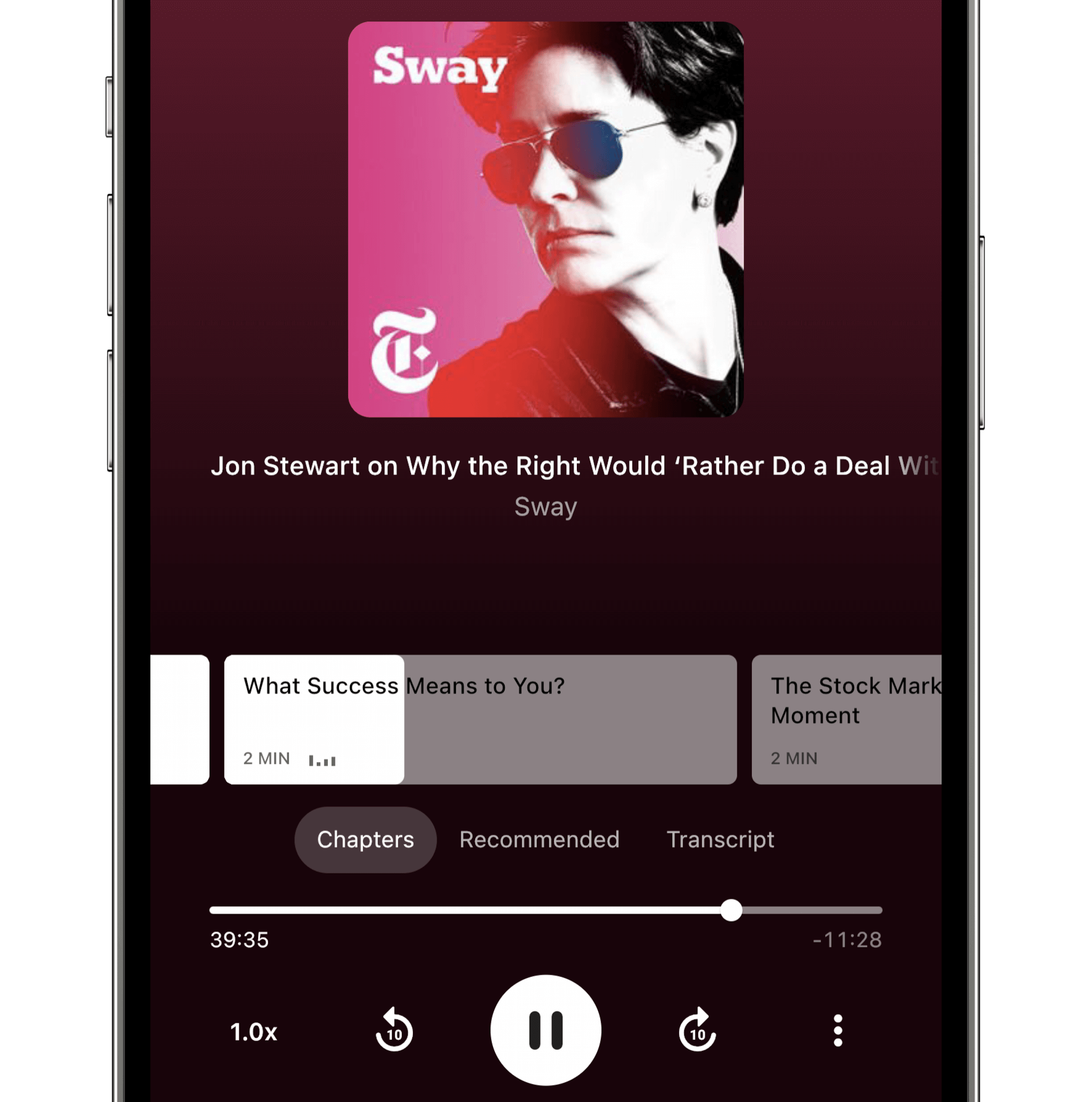
Kara Swisher: Why did you pick Apple over say Comedy Central, where ratings obviously are a big deal?
Jon Stewart: They would let me do what I wanted. And it felt entrepreneurial in a way. And I also wanted to create this podcast. We wanted to try to create kind of a universe of information, where we were boosting some of these voices and figuring things out. It’s entrepreneurial, to some extent, but also within that, what Apple gets out of it: I’m not sure what they want out of a content company. I really don’t. I don’t know, you know, and in some ways we might be antithetical to their business model.
Kara Swisher: Honestly, I think Apple wants to sell iPhones. I think Amazon wants to sell toilet paper.
Jon Stewart: But that’s what I mean, that it may not be in their interests, to have a provocateur. But I do know, they’ve been incredibly supportive, and have given us the resources to do it. And when you think about it, success is not just about its impact in the world, it’s also about its impact on the people you work with. And their sense of satisfaction and growth, and engagement. And I really want to make something that I feel like we’re challenging ourselves to – not to co-opted phrase from my benefactors „think differently“.
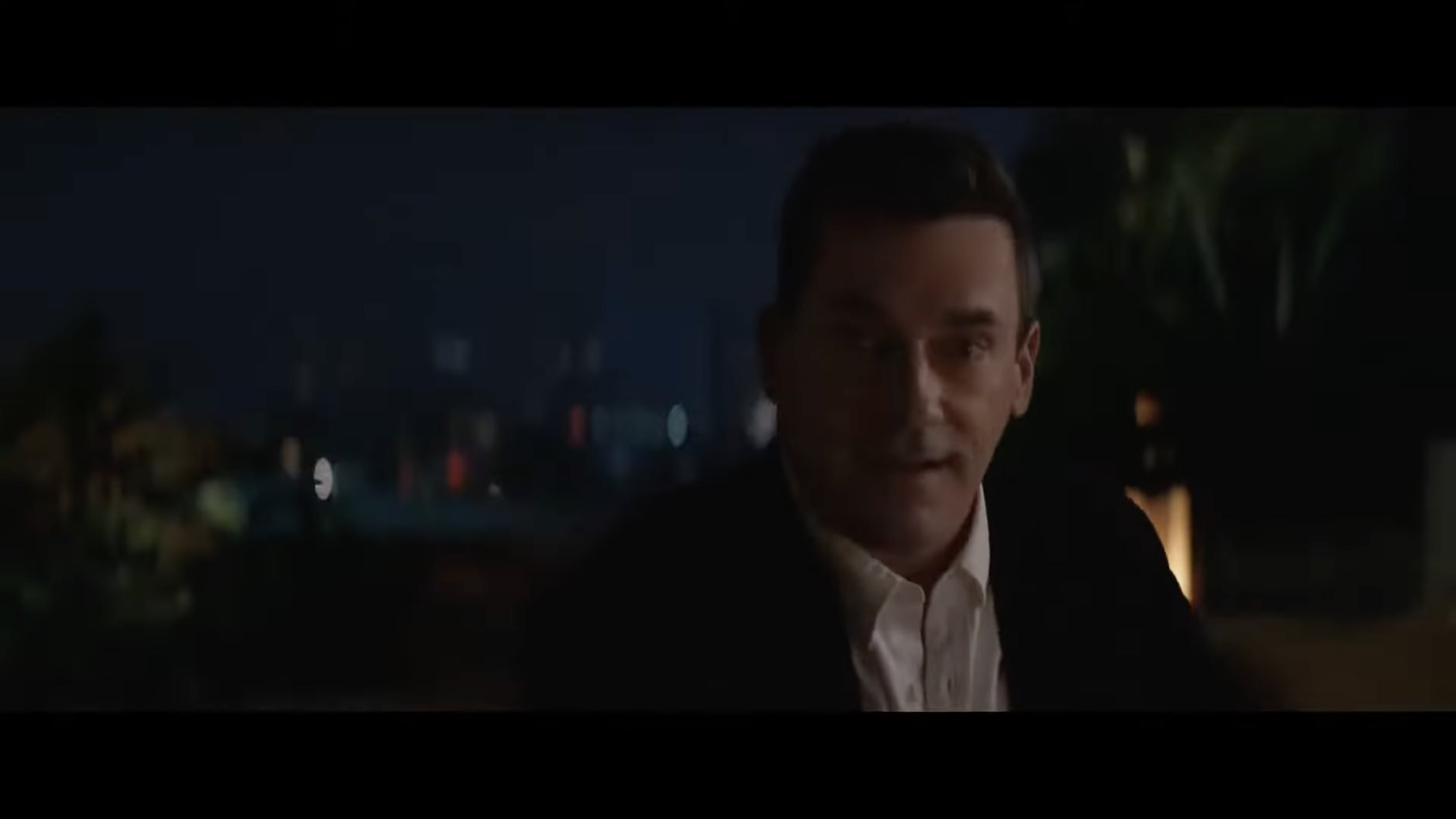
TV+ ist für Apple (auch) ein Prestigeobjekt. Man schmückt sich mit (Oscar-)Nominierungen und großen Namen. Jon Stewart ist ein solcher Name. Und Jon Hamm ist bestimmt auch bald dabei …
Dieser Fokus auf (Hollywood-)Stars war seit der ersten (grausamen) Keynote recht deutlich. Neben (ein wenig) Geld wird „They would let me do what I wanted“ bei vielen Beteiligten eine entscheidende Rolle geschaupielt haben.
Wie positiv die Promis auf Apple als Marke abfärben, und ob sich’s finanziell rechnet, wird intern beantwortet werden müssen. Erst im letzten Sommer beendete der Streaming-Dienst seine lange Gratisphase; weiterhin unterbietet TV+ mit einem Monatspreis von 5Euro die Konkurrenz.
Apple stoppte bereits in der letzten Woche alle Lieferungen in die russischen Verkaufskanäle; ihr Statement veröffentlichten sie erst vor zwei Tagen.
”We are deeply concerned about the Russian invasion of Ukraine and stand with all of the people who are suffering as a result of the violence. We are supporting humanitarian efforts, providing aid for the unfolding refugee crisis, and doing all we can to support our teams in the region.
We have taken a number of actions in response to the invasion. We have paused all product sales in Russia. Last week, we stopped all exports into our sales channel in the country. Apple Pay and other services have been limited. RT News and Sputnik News are no longer available for download from the App Store outside Russia. And we have disabled both traffic and live incidents in Apple Maps in Ukraine as a safety and precautionary measure for Ukrainian citizens.
We will continue to evaluate the situation and are in communication with relevant governments on the actions we are taking. We join all those around the world who are calling for peace.“
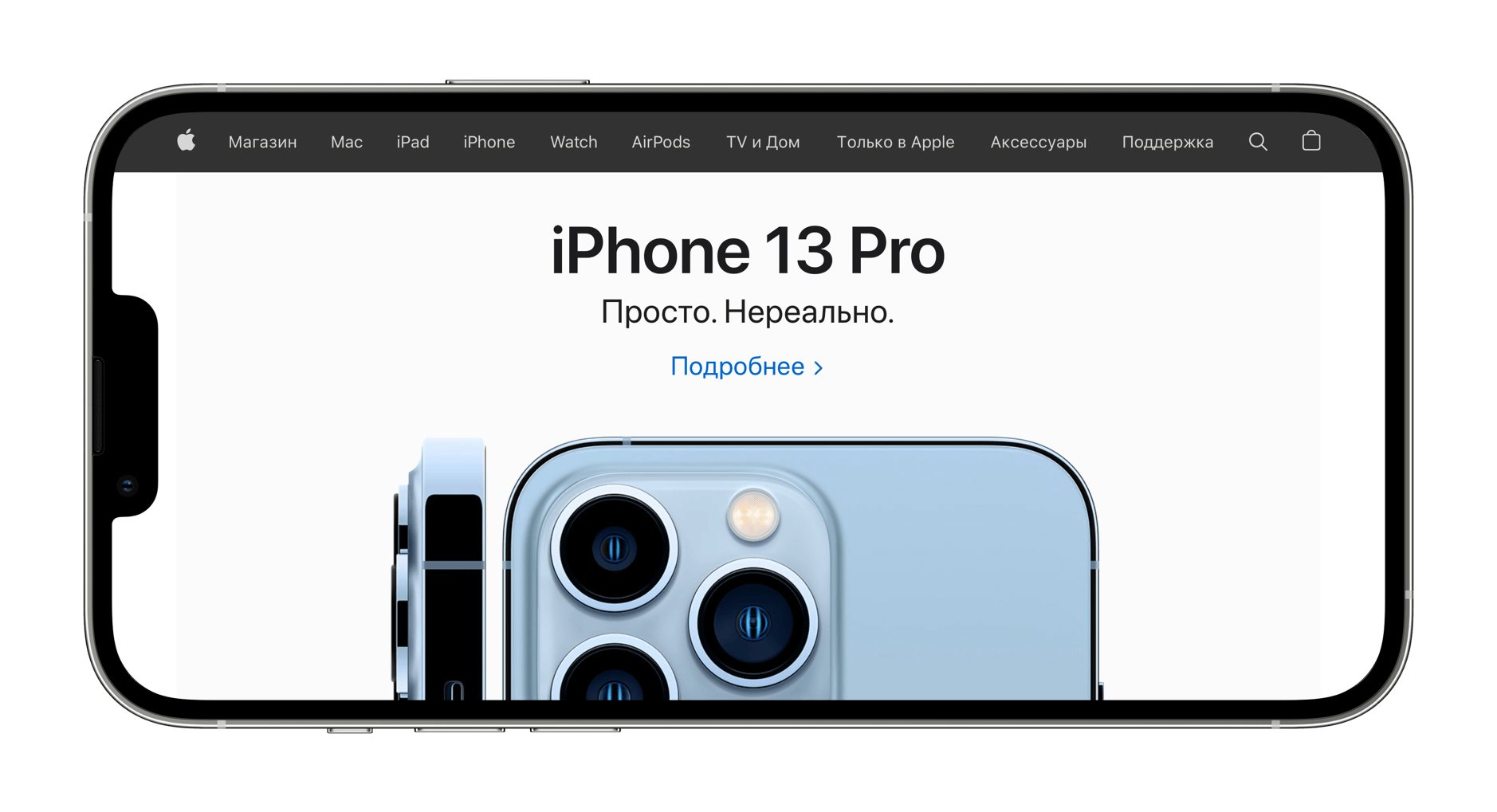
Apple unterhält keine eigenen Verkaufsgeschäfte in Russland. „We have paused all product sales“ bezieht sich demnach auf https://www.apple.com/ru/.
Aufgrund hoher Währungsschwankungen schaltet der Konzern bereits im letzten Jahr temporär seinen Online-Store in der Türkei ab. Im Jahr 2014 setzte Apple einen vorläufigen Verkaufsstopp in Russland. Damals erlitt der Rubel einen extremen Wertverlust.
Im aktuellen Fall dürften jedoch die US-Sanktionen der primäre Grund für den Verkaufsstopp sein. Der Smartphone-Export ist unter den aktuellen US-Sanktionen zwar erlaubt, darf jedoch nicht an „Russian government employees and state-owned enterprises“ erfolgen. Das ist a) nicht detaillierter ausgeführt, und dürfte b) schwierig in der Praxis umzusetzen.
Das russische Geschäft hat einen geschätzten Anteil von ein bis zwei Prozent an Apples weltweitem Umsatz. Apple besitzt keine Produktions- und Fertigungskapazitäten in Russland. Unter diesen Voraussetzungen dürfte die Risikoabschätzung von einer Verletzung der Sanktionen nicht schwierig gewesen sein.
Auf iPhones und iPads existiert Software, die euch Audio(-Dateien) verschriftlicht – „quick-and-dirty“ oder hochprofessionell. Ich berücksichtige beide Optionen in diesem Video.
Hier das Intro zur vierminütigen Episode:
iPhoneBlog #one kann man abonnieren. Alle Abonnent:innen bekommen jede Woche ein neues „Gewusst-wie”-Video, den Zugriff auf alle schon veröffentlichten Episoden und die Einladung zu einer ganz besonderen Community in einem privaten Slack-Kanal.
iPhoneBlog #one ist ausschließlich von Lesern und Leserinnen finanziert und unterstützt direkt das iPhoneBlog.
Fadell left Apple in November 2008, and founded Nest Labs in 2010. The personal animus between him and Forstall was famous within the company. The kernel of the widely-held but incorrect notion that Fadell backed the embedded Linux OS project for the iPhone starts and ends with their political rivalry within Apple. If the embedded Linux project had won out, Forstall — whose expertise and experience were entirely on the Mac OS X side, dating back to his days as an early employee at NeXT — likely would have been out of the picture for the phone project, and the iPhone’s software might well have fallen under Fadell’s purview. So: Fadell and Forstall were rivals, there was a bake-off between two projects to produce an OS for a phone, Forstall spearheaded one of them, ergo Fadell must have backed the other. Sounds good. And then that one throwaway paragraph in the 2011 Businessweek profile of Forstall said it was so, and a myth was born.
It even makes sense that if Fadell had championed the embedded Linux/iPod OS effort, that he’d downplay/retcon his role in hindsight, given how spectacularly successful the decision to base the iPhone OS on Mac OS X turned out to be. But even putting Fadell’s own version of events aside, it just doesn’t add up. Sakoman and Rubinstein, who did spearhead the embedded Linux OS effort, left Apple in late 2005/early 2006, when the iPhone project was taking off inside the company. At that same time Fadell was promoted to the company’s very short list of senior vice presidents and put in charge of the iPhone’s hardware engineering. Fadell and Forstall might not have liked each other, but they were the hardware yin and software yang of the iPhone’s creation — winners both, but also neither to last long within Apple.
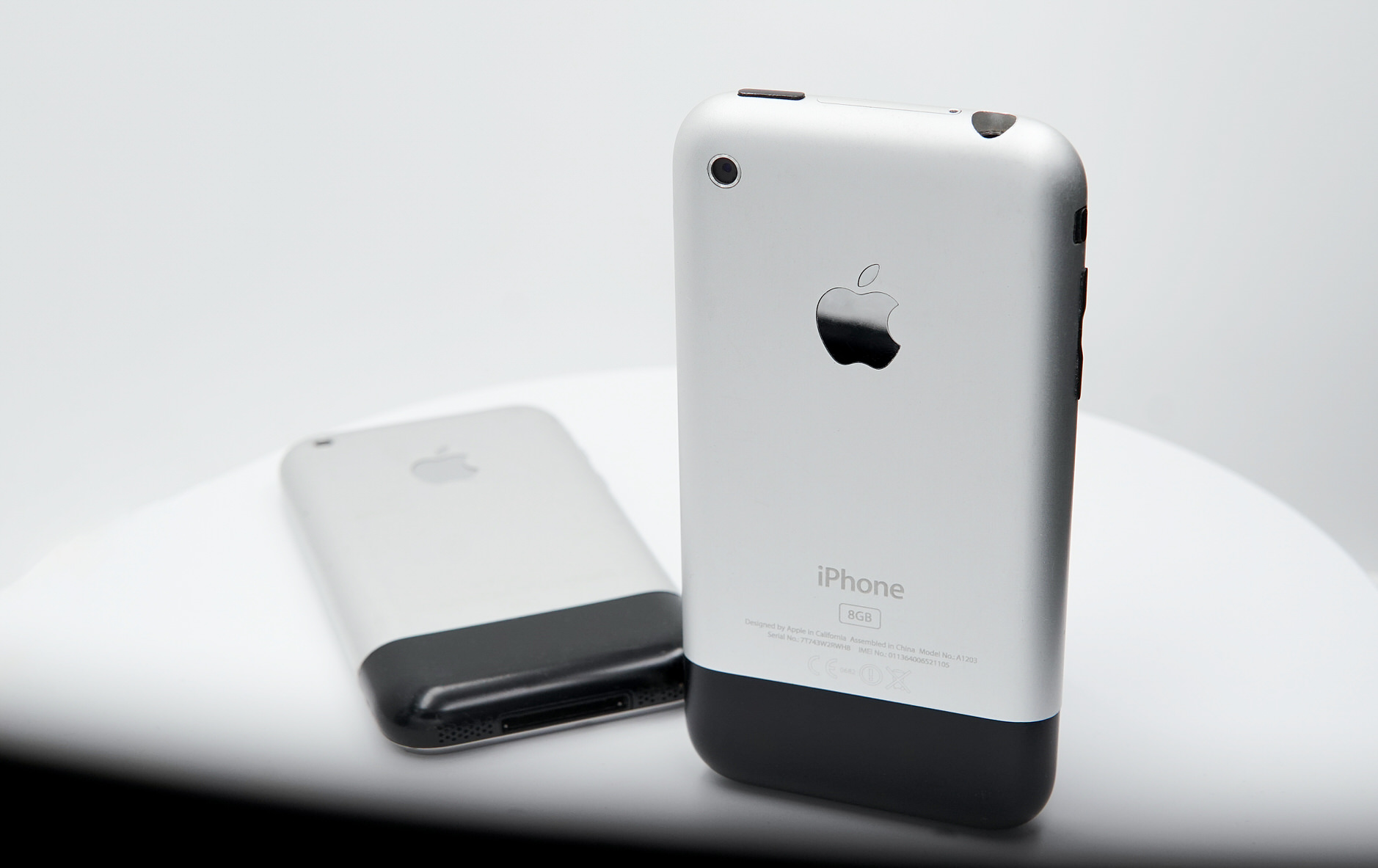
Für die „history buffs“ (unter uns) skizziert John Gruber die zeitliche Entstehung des iPhone OS-Projektes (Codename: Purple), beschreibt wie (schnell) die Wahl für das Betriebssystem fiel und welche Personen hauptverantwortlich darüber stritten daran mitwirkten.
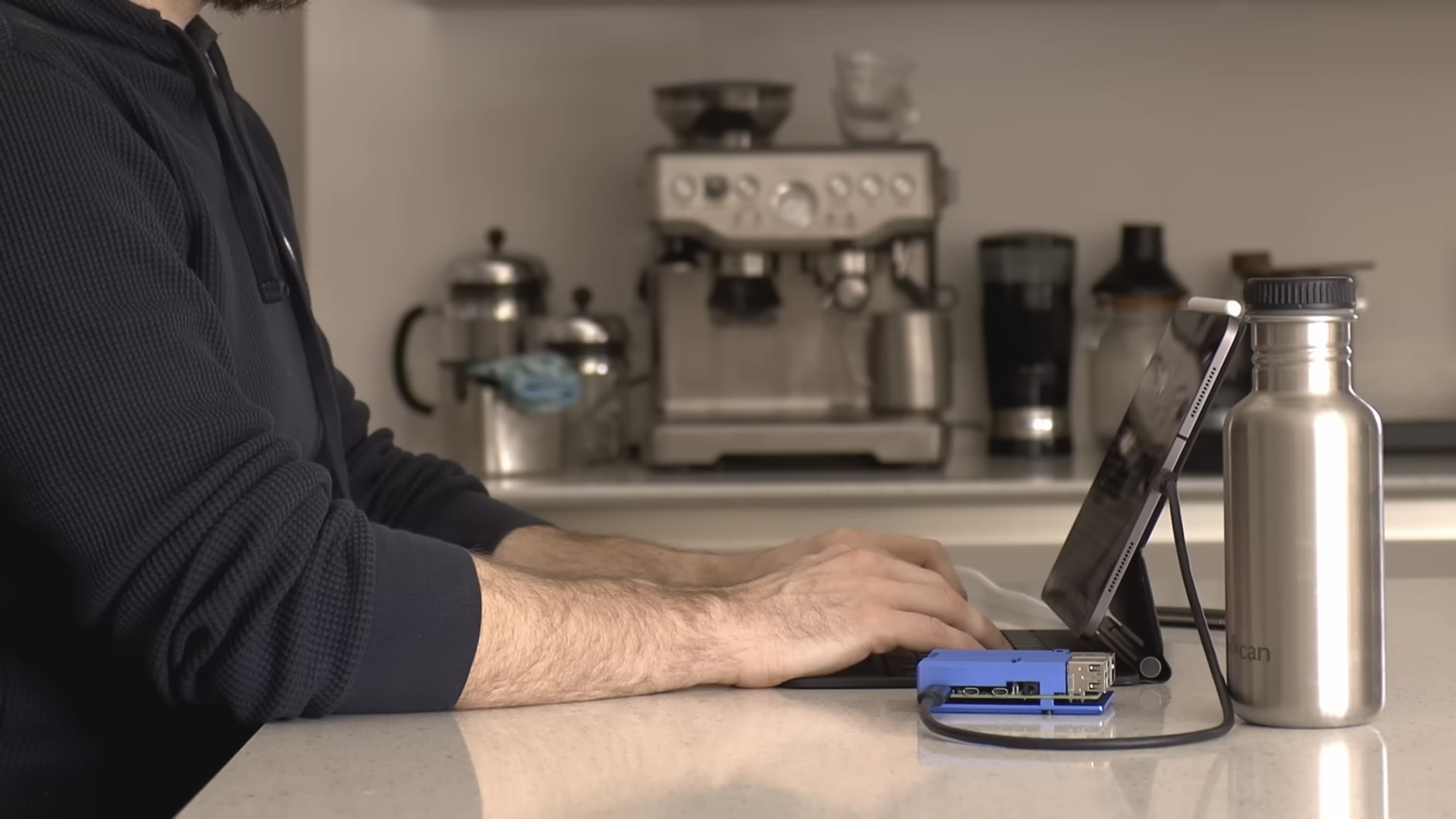
Version 4 vollzog den wichtigen Schritt von Micro-USB zu USB-C, ist nun aber auch schon zweieinhalb Jahre alt. Trotzdem bleibt es ein netter Sidekick fürs iPad, der kein Mitschleppen einer separaten Tastatur, Maus oder eines Bildschirms erfordert.