„Zwischen Apps wechseln“ auf dem iPhone X
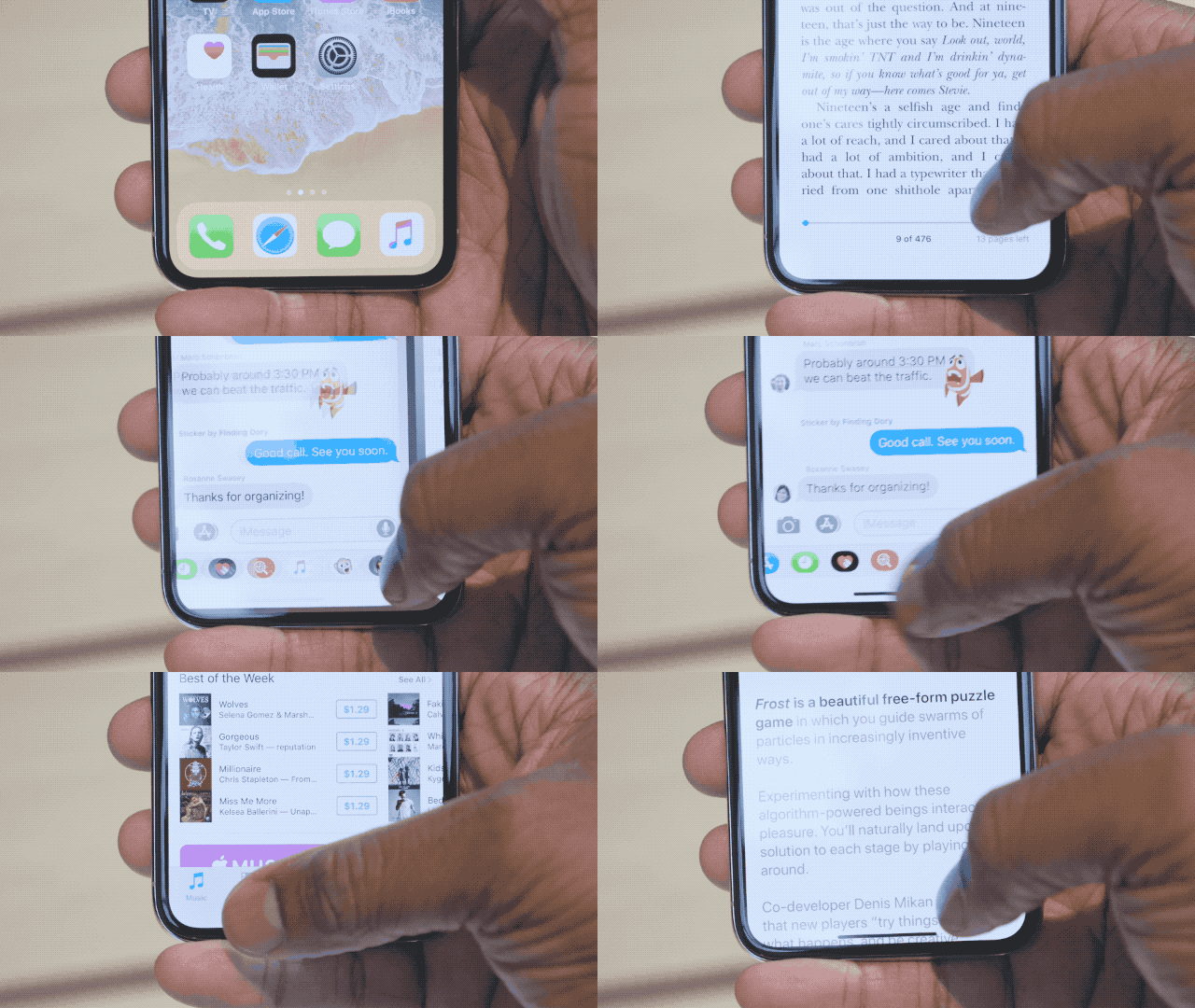
Wahrscheinlich ist das meine neue Lieblings(wisch‑)geste.
Wahrscheinlich ist das meine neue Lieblings(wisch‑)geste.
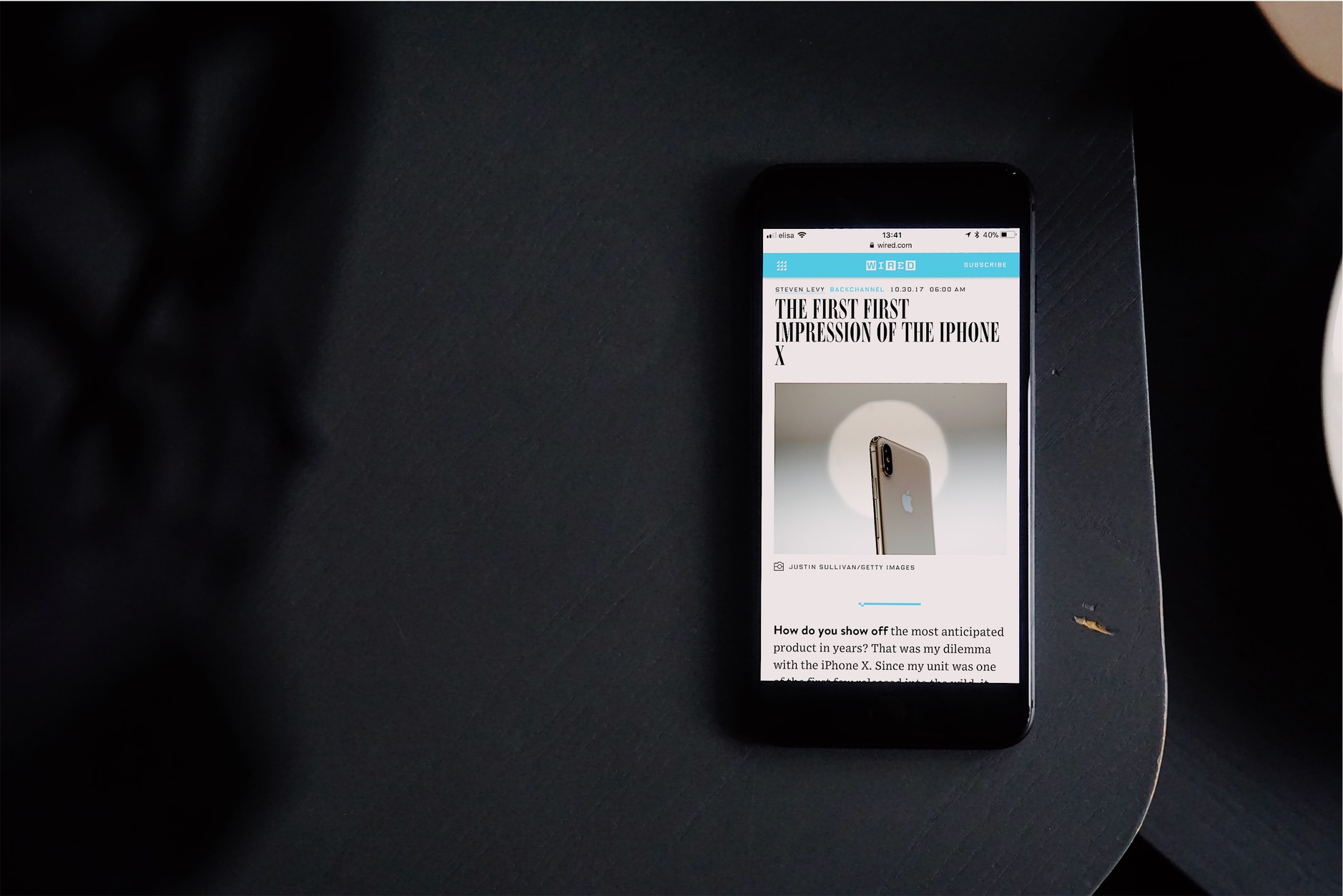
After a few days with the iPhone X, I can begin to make out its themes. It’s a step towards fading the actual physical manifestation of technology into a mist where it’s just there —a phone that’s “all screen,” one that turns on simply by seeing you, one that removes the mechanics of buttons and charging cables. A decade hence, when it’s time for the iPhone 20 (XX?), we’ll already be on the road to what comes after the smartphone; the X might be a halfway point to that future. And that’s why, despite the fact that the iPhone X at present is no more than a great upgrade to the flagship device of the digital age, I can’t easily dismiss Tim Cook’s effusions that this is more than a just another iteration.
Apple und Tim Cook nennen das iPhone X: „The future of the smartphone“. Oder anders: „The iPhone X sets the tone for the next decade in technology.“
An dieser Aussage stört sich Steven Levy; und an Wireless Charging („which I find mostly useless now“). Es bleibt sein einziger echter Kritikpunkt.
US-Versicherungskonzern John Hancock bietet seinen Kunden eine Apple Watch Series 3 zum subventionierten Kaufpreis an, wenn diese Käufer über die nächsten zwei Jahre Fitness-Nachweise liefern.
John Hancock, one of the largest life insurance providers, is partnering with Apple to offer all of its new and existing members of its Vitality program a steeply discounted Apple Watch.
The program offers perks and rewards to people who live healthy lifestyles. Any consumer who signs up for the program is eligible to get the device for $25.
Die konkrete Rechnung lautet wie folgt: Der Kaufpreis der Watch (GPS) beträgt 25 US-Dollar (das „GPS + Cellular“-Modell ist teurer). Die monatlichen Zahlungen dezimiert man durch Workouts, die in „Vitality Points“ gemessen werden. Teilnehmer und Teilnehmerinnen, die 500 dieser „Vitality Points“ pro Monat erreichen, leisten keine Zuzahlung. Pro Tag lassen sich maximal 30 Points erreichen; bei mehreren (Sport‑)Aktivitäten pro Tag zählt nur das Training mit den meisten Punkten.
Der Trainingsaufwand, den ein „Advanced Workout“ liefert, der die maximale Punktanzahl von 30 pro Tag erzielt, ist durchaus streng: 15.000 Steps oder ein Training mit einer Trainingszeit von mindestens 45 Minuten oder eine Körperertüchtigung, die mindestens 300 Kalorien verbraucht.
Unterm Strich trainiert man knapp 5x in der Woche um die Apple Watch über die nächsten 24 Monate komplett ohne Zuzahlung zu erhalten. Das ist physisch und psychisch hart, selbst wenn man von den Einschnitten in die Privatsphäre einmal absieht (was ich nicht tun würde, weil die Trainingszeiten und erzielten Workout-Daten meine Versicherung nichts angehen).

Das konkrete US-Beispiel dürfte uns hierzulande relativ egal sein. Die Idee aber, den Kauf einer Apple Watch mit Fitnessdaten zu bezahlen, wird uns über kurz oder lang auch erreichen (im Moment gibt es lediglich Bonusprogramme an denen man mit Vorsorgeuntersuchungen und Gesundheitskursen teilnimmt).
Ein akkurat konfigurierter RSS-Reader, mit einer gepflegten Sammlung aus Blog- und Nachrichtenseiten, steckt jeden Facebook- und Twitter-Algorithmus in die Tasche. RSS lebt! Und einer der besten Webdienste, die RSS-Feeds abklopfen, verwalten und aufbereiten, ist Feedbin, den ich mir in dieser Woche thematisch vorknöpfe.
Hier das Intro zur knapp sechsminütigen Episode:
iPhoneBlog #one kann man abonnieren. Als Abonnent bekommt man jede Woche ein neues Video, den Zugriff auf alle schon veröffentlichten Episoden und die Einladung zur Diskussion in einem privaten Slack-Kanal. iPhoneBlog #one ist ausschließlich von Lesern und Leserinnen finanziert und unterstützt direkt das iPhoneBlog.
Alle Infos und die Möglichkeit dabei zu sein, findet ihr unter iPhoneBlog.one.

Plotagraph (universal; 5.49 €) durfte ich mir zum Start des 10.5” iPad Pro in einer fortgeschrittenen Beta-Version anschauen; den Release im August habe ich irgendwie verpasst. Jetzt gibt es die Software, die subtil Ausschnitte eines Standfotos animiert1, über die Apple Store App (universal, Laden) kostenlos herunterzuladen.

Apple has scored a coup in Silicon Valley’s increasingly global search for television industry talent, recruiting the highly regarded UK-based broadcasting executive Jay Hunt. […]
Ms Hunt was most recently chief creative officer at Channel 4, during a time when it axed Big Brother, developed Gogglebox and Black Mirror, poached the Great British Bake Off from the BBC, and twice won Channel of the Year at the Edinburgh International Television Festival. […]
Previously, the Australian had served as controller of BBC One, where she was responsible for commissioning hits including Luther and Sherlock. She has also been director of programmes at the UK’s Channel 5.
„Apple hires top UK TV executive to help boost video content“
Recap der letzten Monate: Apple wirbt Zack Van Amburg und Jamie Erlicht (Breaking Bad, Better Call Saul, Justified) von Sony Pictures ab, heuert Matt Cherniss von WGN America (Manhattan, Outsiders) an, bestellt 10 Episoden der Amazing Stories von Steven Spielberg, bietet angeblich mit Netflix um eine TV-Serie mit Jennifer Aniston und Reese Witherspoon, schnuppert an einem Wettstreit mit Amazon um die James-Bond-Filmrechte, zeigt Interesse die ‚Culver Studios‘ anzumieten (dort wurde unter anderem Vom Winde verweht, E.T., Kill Bill und The Matrix gedreht) und reserviert ein Budget von einer Milliarde US-Dollar für „original content“ im ersten Jahr.
Apple sucht nach seinem Game of Thrones; nach seinem House of Cards – einem (ersten) TV-Hit als Beilage für das Apple-Music-Abo.

➝ Video
Mit dem iPhone X schafft es der Porträtmodus – inklusive Porträtlicht – dann auch in die Frontkamera.
„Der Kampf um Verschlüsselung ist nicht aufgehoben, sondern lediglich aufgeschoben.“ Am 10. Oktober hielt Rod Rosenstein, Stellvertreter von US-Justizminister Jeff Sessions, eine Rede, die man als neuen Anlauf auf die Diskussion über Hintertüren in verschlüsselter Kommunikation für Strafverfolger verstehen darf.
Our society has never had a system where evidence of criminal wrongdoing was totally impervious to detection, especially when officers obtain a court-authorized warrant. But that is the world that technology companies are creating. > Those companies create jobs, design valuable products, and innovate in amazing ways. But there has never been a right to absolute privacy.
Riana Pfefferkorn zerlegt die Rhetorik vom stellvertretenden US-Generalstaatsanwalt:
This is Rosenstein’s anti-crypto rhetoric at its most blatant, and its most insulting. Strong encryption does prevent crime, such as identity theft. That’s something “responsible” companies need to worry about at a time when massive data breaches regularly dominate the headlines. Strong encryption does save lives, such as by helping protect individuals from being stalked by abusive family members or intimate partners. That’s something a “responsible” law enforcement agency, charged with protecting and serving the public, should embrace. In a time when it’s open season on women, immigrants, Muslims, Black people, trans and gender nonconforming people, and anyone else who’s “other,” strong encryption helps ward off victimization—not just by private bad actors, but by the state too.

Passend dazu jammert FBI-Chef Christopher Wray, Nachfolger von James Comey, über 6.900 konfiszierte Smartphones (in den letzten 11 Monaten), deren Inhalte für die US-Strafverfolgungsbehörde nicht zugänglich sind.
“I get it, there’s a balance that needs to be struck between encryption and the importance of giving us the tools we need to keep the public safe,” Wray said.
Rod Rosenstein formuliert das gleiche (falsche) Argument so: „Responsible encryption is achievable. Responsible encryption can involve effective, secure encryption that allows access only with judicial authorization.“
Riana Pfefferkorn:
He invokes the lazy old excuse that the wizards of Silicon Valley, currently hard at work on “drones and fleets of driverless cars, a future of artificial intelligence and augmented reality,” just need to nerd harder. […]
Yet branding everyone who is against weakened crypto as “advocates of absolute privacy” is a sly way of reframing the debate. It forces civil liberties activists to respond to that framing and it channels those responses. For people who embrace Rosenstein’s label (and some do), whatever they say can safely be ignored, as privacy absolutists are not to be taken seriously. The other option is to push back against the hyperbole and deny that one is a privacy absolutist (and thereby allow the DOJ to pit those who are not against those who are, driving a wedge between people who are fundamentally on the same side in this debate).