Wie verstecken Apple, Google oder Amazon die Namen ihrer nächsten Produkte?
So:
A more effective approach also used by Google, Amazon and other tech companies involves registering names in foreign countries without searchable trademark databases. The tactic leverages a rule in section 44(d) of the U.S. Trademark Act that lets companies apply for a trademark in one country and receive registration priority in the U.S. if filed there within six months of the original, foreign filing date. Of the 177 countries that comply with U.S. rules, 66 lack online trademark databases. These include Trinidad and Tobago, Barbados, Peru and Jamaica. The latter has become a favorite hiding place for companies such as Apple.
The Jamaica Intellectual Property Office is housed in a modern palm-flanked building in the capital, Kingston. Thirty-one people work there and at least 10 trademark searches are conducted each day, according to the office’s director Lilyclaire Bellamy. The only way to conduct searches is in-person, meaning sleuths need to fly to Jamaica or hire a local trademark lawyer to search the office’s computer system like an old-school library. Searches are free, but it costs 150 Jamaican dollars ($1.17) to print out each page.
Mit Statements von Ex-Mitarbeiter_innen – insbesondere die, die nicht freiwillig den Job gewechselt haben – muss man immer ein bisschen aufpassen. Nicht jeder zeigt rückblickend Klasse. Trotzdem glaube ich, das Ex-Google+-Chef Vic Gundotra am Wochenende schlicht falsch verstanden wurde.
The end of the DSLR for most people has already arrived. I left my professional camera at home and took these shots at dinner with my iPhone 7 using computational photography (portrait mode as Apple calls it). Hard not to call these results (in a restaurant, taken on a mobile phone with no flash) stunning. Great job Apple.
Darüber gibt es wenig zu diskutieren. Für Aufregung sorgten seine Kommentare unter dem Beitrag:
Here is the problem: It’s Android. Android is an open source (mostly) operating system that has to be neutral to all parties. This sounds good until you get into the details. Ever wonder why a Samsung phone has a confused and bewildering array of photo options? Should I use the Samsung Camera? Or the Android Camera? Samsung gallery or Google Photos?
It’s because when Samsung innovates with the underlying hardware (like a better camera) they have to convince Google to allow that innovation to be surfaced to other applications via the appropriate API. That can take YEARS.
Also the greatest innovation isn’t even happening at the hardware level – it’s happening at the computational photography level. (Google was crushing this 5 years ago – they had had „auto awesome“ that used AI techniques to automatically remove wrinkles, whiten teeth, add vignetting, etc… but recently Google has fallen back).
Apple doesn’t have all these constraints. They innovate in the underlying hardware, and just simply update the software with their latest innovations (like portrait mode) and ship it.
Bottom line: If you truly care about great photography, you own an iPhone. If you don’t mind being a few years behind, buy an Android.
Scharf formuliert, betrifft aber nicht die Kameras in Android-Telefonen, sondern wie schnell „computational photography“ durch das Zusammenspiel von Hardware und Software vorangetrieben wird. Apple gibt mit dem eigenen OS und den eigenen (Grafik-)Prozessoren dafür die Zügel nicht aus der Hand (während Google nur mit ihrem Pixel die Chance dazu hat).
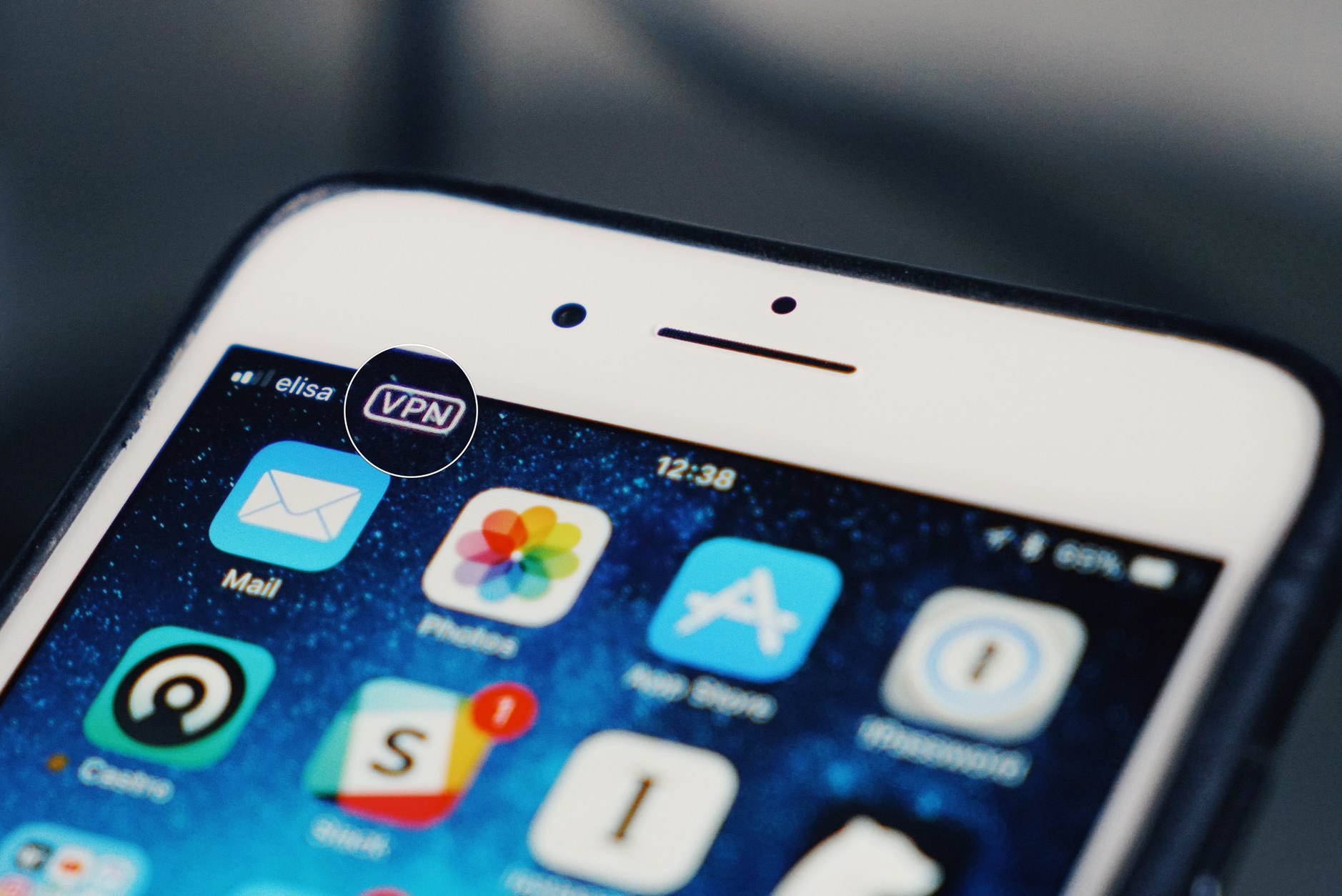
Earlier this year China’s MIIT announced that all developers offering VPNs must obtain a license from the government. We have been required to remove some VPN apps in China that do not meet the new regulations. These apps remain available in all other markets where they do business.
China erlaubt nur noch VPN-Anbieter, bei denen sie mitlesen können1. Russland brachte kürzlich ein vergleichbares Gesetz auf den Weg. Es soll am 1. November in Kraft treten.
Hätte sich Apple den Regeln des chinesischen Industrie- und Informationstechnikministerium widersetzen können?
Wem wäre geholfen wenn Apple seine Produktion sowie den Verkauf der Geräte in China stoppt?
Wer war gleich noch einmal der Böse?
Bereits installierte VPN-Software funktionieren weiter; über eine neue Apple ID – aus einer anderen App-Store-Region – lassen sich VPN-Apps weiterhin laden. ↩
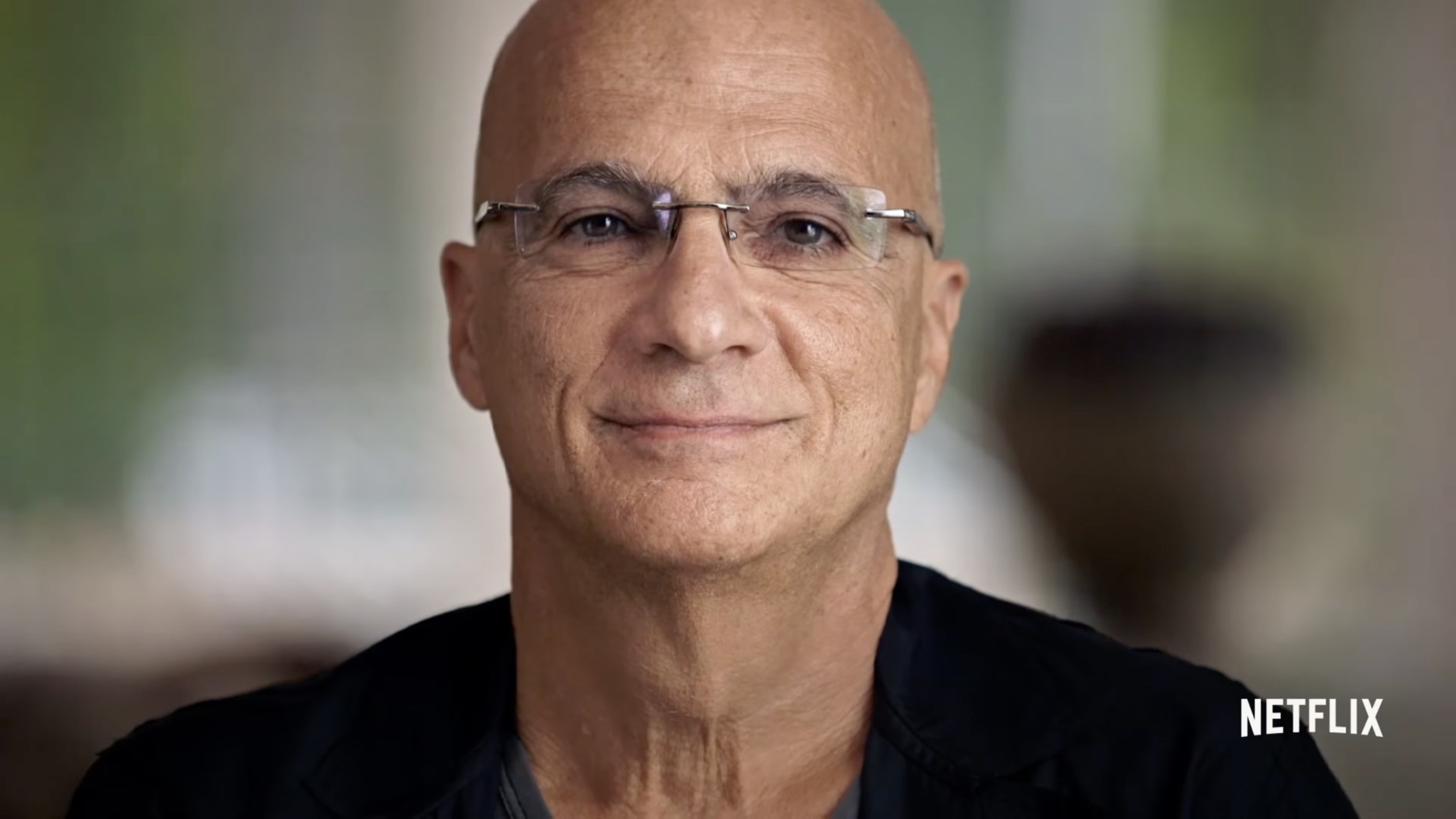
Es gibt nur wenige Sekunden in der vierteiligen Musikdokumentation über Dr. Dre und Jimmy Iovine, in denen keine Musik spielt. Die vier HBO-Folgen, die in den letzten drei Jahren gedreht wurden, sind laut, aggressiv, mitreißend und exzellent geschnitten; eine Achterbahnfahrt durch Musikgeschichte und persönliche Tragödien.
Auftakt von ‚The Defiant Ones‘ ist das legendäre Facebook-Party-Video, in dem Dr. Dre und Tyrese Gibson Apples Milliardenübernahme von Beats vorwegnahm. Es ist nur eins von vielen Zeitdokumenten. Director Allen Hughes zeigt teilweise noch nie zuvor ausgestrahlte Studiomitschnitte – von ‚Fuck tha Police‘ bis Tupac.
YouTube hat ein gesundes Maß an offiziellen (und nicht so offiziellen) Ausschnitten. Bislang gibt es die kompletten viereinhalb Stunden leider nur auf HBO.com.
Remote exploits that compromise Android and iOS devices without user interaction have become an endangered species in recent years. Such exploits present a unique challenge: Without access to the rich scripting environment of the browser, exploit developers have been having a hard time bypassing mitigations such as DEP and ASLR.
But what happens when, underneath your heavily hardened OS, a separate chip parses all your Wi-Fi packets – and runs with no exploit mitigations whatsoever?
Meet Broadpwn, a vulnerability in Broadcom’s Wi-Fi chipsets which affects millions of Android and iOS devices, and can be triggered remotely, without user interaction. The Broadcom BCM43xx family of Wi-Fi chips is found in an extraordinarily wide range of mobile devices – from various iPhone models, to HTC, LG, Nexus and practically the full range of Samsung flagship devices.
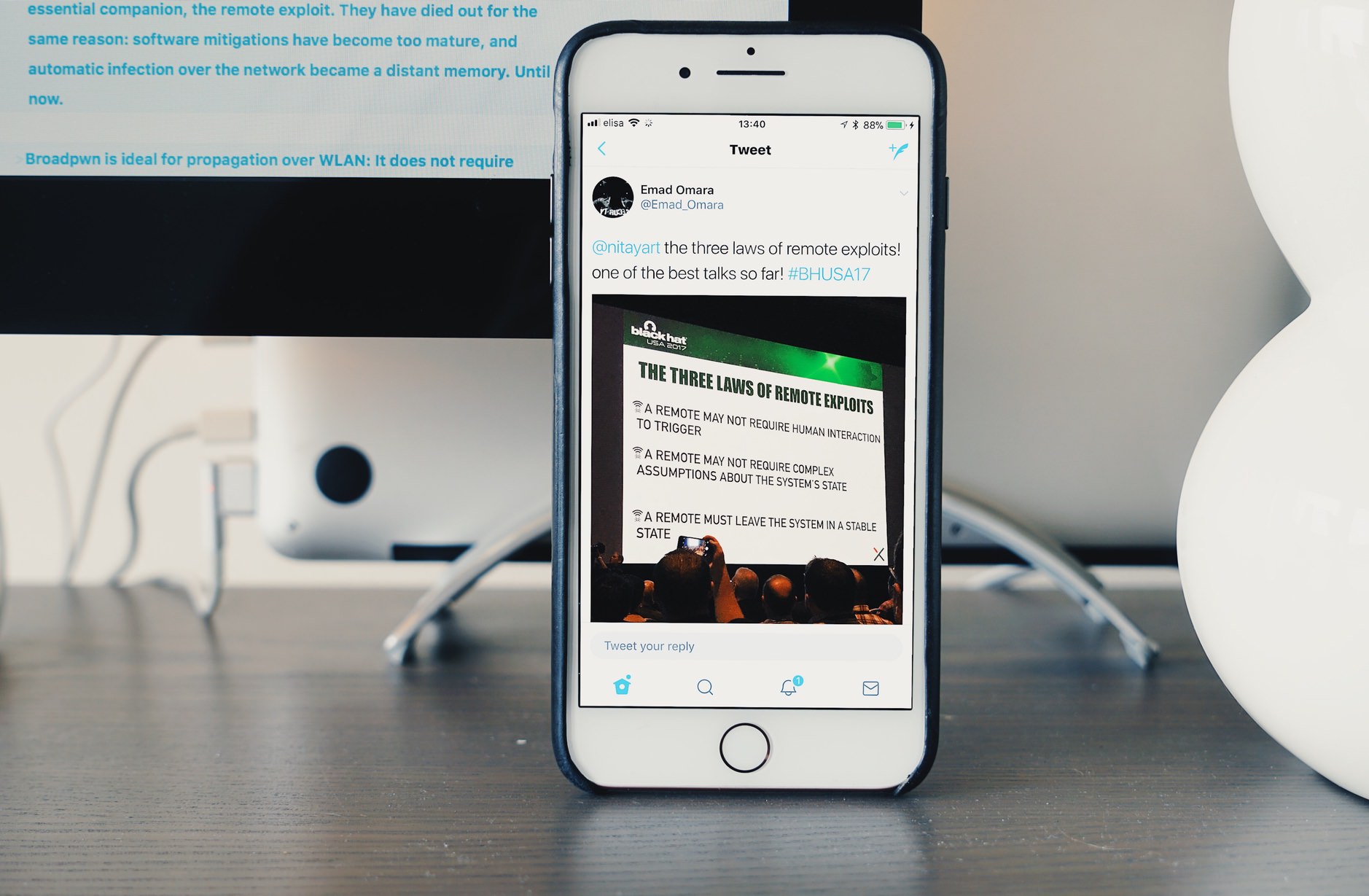
Nitay Artenstein dokumentierte die kritische Sicherheitslücke ausführlich in einem Blogpost. Gestern fand sein Vortrag auf der Black Hat statt. Bislang existiert davon nur ein siebenminütiger Wackel-Videomitschnitt aus dem Publikum.
iOS 10.3.3 stopfte vor 10 Tagen die Sicherheitslücke im WiFi-Chip, die alle Geräte ab dem iPhone 5 betraf. Google feierte bereits Anfang Juli seinen Mega-Patch-Day, der ebenfalls die Broadcom-Schwachstelle bedachte. Es bleibt zu hoffen, das möglichste viele Android-Hersteller zeitnah an der Update-Party teilnehmen.
Broadpwn gelangt nicht nur durch seine signifikante Reichweite an Popularität, sondern weil er von Nitay Artenstein als Computerwurm klassifiziert wird.
The nature of the bug, which can be triggered without any need for authentication, and the stability of the exploit, which deterministically and reliably reaches code execution, leads us to the return of an old friend: the self-propagating malware, also known as “worm”.
Worms died out around the end of the last decade, together with their essential companion, the remote exploit. They have died out for the same reason: software mitigations have become too mature, and automatic infection over the network became a distant memory. Until now.
Broadpwn is ideal for propagation over WLAN: It does not require authentication, doesn’t need an infoleak from the target device, and doesn’t require complicated logic to carry out. Using the information provided above, an attacker can turn a compromised device into a mobile infection station.
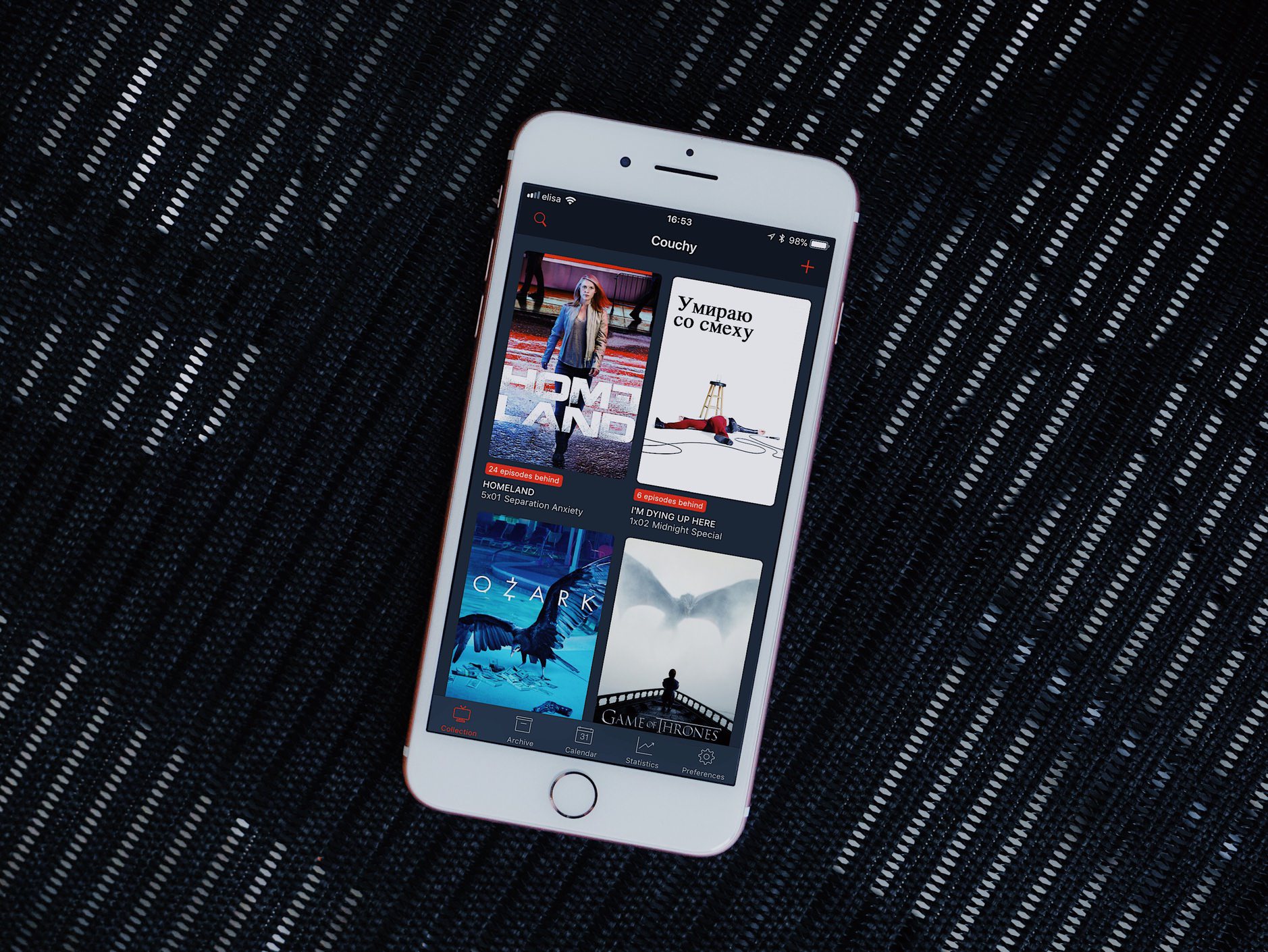
Eins vorab: Couchy (universal; 3.49€) ziert ein gewöhnungsbedürftiges App-Icon. Das muss man mögen, wohingegen das restliche Design der App – sowohl auf iPhone wie auch iPad – eine breite Zustimmung erfahren dürfte. Das Layout ist nachvollziehbar und aufgeräumt. Es stellt die Cover der TV- und Internet-Shows in den Mittelpunkt. Wer die App ein bisschen länger verwendet, findet obendrein eine Handvoll optionaler Wisch- und 3D-Touch-Gesten.
Ich habe in den letzten Wochen wieder damit begonnen mir zu notieren welche Episoden von welchen TV-Serien ich bereits gesehen habe. In erster Linie weil ich inzwischen viele neue TV-Shows einfach ausprobiere, auch auf die Gefahr hin mir nur die Pilotfolge anzuschauen und nicht die ganze Staffel. Es erscheinen einfach zu viele interessante Serien, um einige Kandidaten komplett zu ignorieren.
Couchy synchronisiert sich auf Wunsch mit Trakt.tv. Ich würde das immer empfehlen. So könnt ihr nämlich nicht nur eure ‚Netflix-and-Chill‘-Lieblingsshows auf dem iPhone wie auch auf dem iPad als angeschaut markieren, sondern ihr erstellt gleichzeitig auch ein Backup.
Über eine Import-Funktion lässt sich ein bestehender Trakt.tv-Katalog jederzeit zurückspielen beziehungsweise neu einspielen. Wichtig: Couchy synchronisiert den Status Angeschaut und Nicht angeschaut, fügt aber nicht automatisch neue Serien in der App hinzu, die ihr auf Trakt.tv hinzugefügt habt. So tauchen in Couchy nur TV-Shows auf, die euch aktuell auch interessieren (und nicht der komplette Backkatalog an Shows, die bereits lange abgeschlossen sind). Clever.
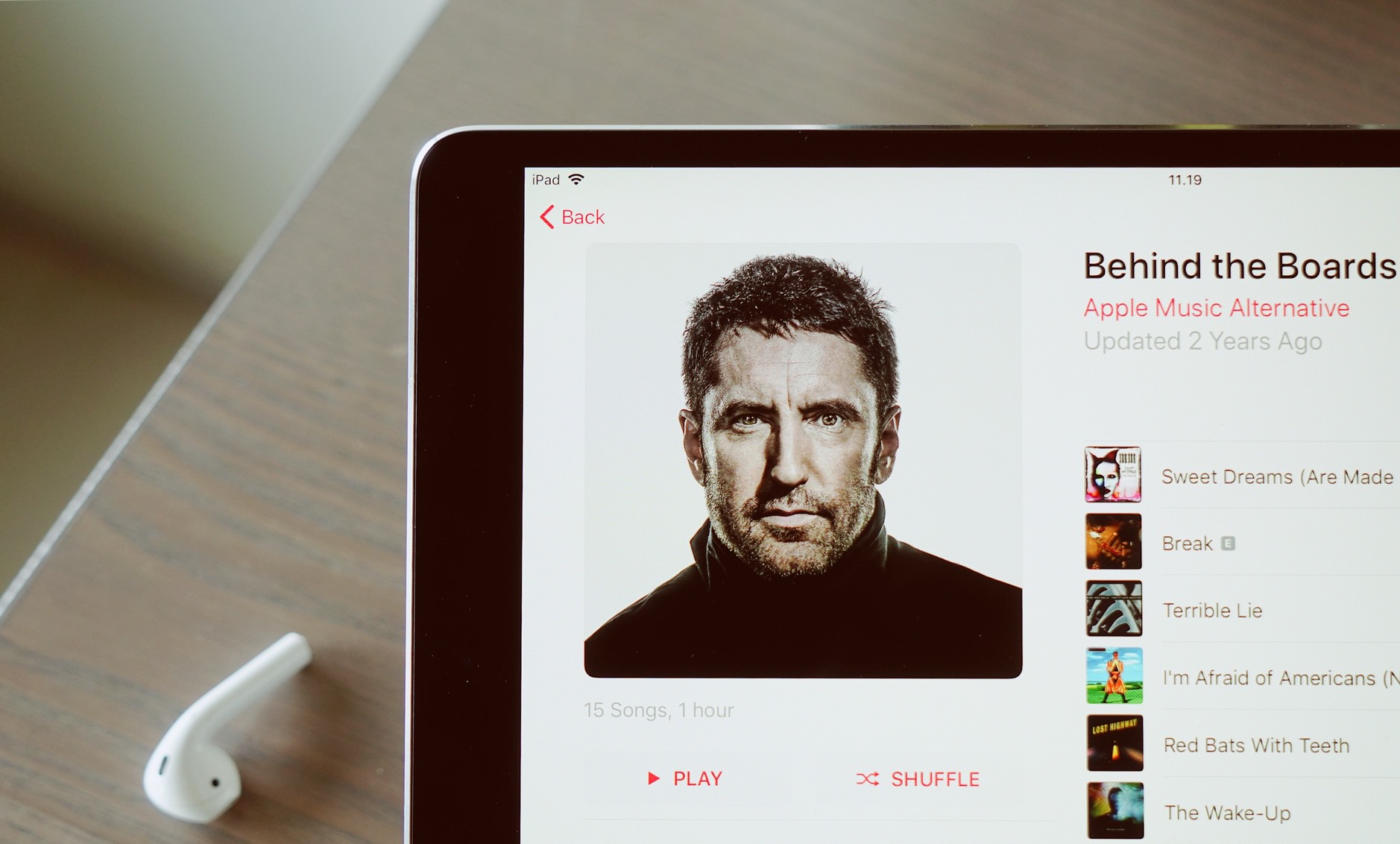
David Marchese führte ein langes Interview mit Trent Reznor, der seit Apples Übernahme von Beats mit an Apple Music arbeitet.
Zweimal im Gespräch taucht die Frage auf ob Apples Musikstreaming-Dienst „erfolgreich“ ist; ob das Konzept „funktioniert“. Und zweimal umschifft er deutliche Worte: Es wäre „soweit lehrreich“ und „interessant“.
Sein genereller Optimismus in Bezug auf Musikstreaming, so wie er ihn bereits zuvor äußerte1, scheint jedoch ungebrochen.
We did a record with Saul Williams. I probably spent 18 months working on it with him — a real labor of love. We thought he was going to be signed to Interscope, but that didn’t work out. So I said, “Let me use your record as an experiment. I’ll cover the losses if it doesn’t work out.” I wanted to test out a simple scenario. It went something like this: To my database of people, we sent out a message saying, “Here’s a collaborative album I’ve worked on for X amount of time with Saul. Click on this box if you want the full album, not copy-protected, free. I know you can steal it anywhere you want anyway. All I want in return is your email address. Or, click on the box next to it: five dollars; it goes directly to Saul. You can have it for free or you can pay. I’m calling your bluff. Are you going to do the right thing?”
How’d that shake out?
Maybe 30,000 downloads occurred in the next week and less than 20 percent were paid for. I thought that second number would be higher. At the time, I felt I was making a genuine offer, worded simply and confrontationally, for something I thought had genuine value. So I was bummed out by the result. It took the wind out of my sails as far as thinking of direct-to-customer as a sustainable business for a musician. In a way, that experience gave me a preemptive look at music today. You’re not making money from albums; instead they’re a vessel for making people aware of you. That’s what led me to thinking that a singular subscription service clearly is the only way this problem is going to be solved. If we can convert as many music fans as possible to the value of that, in a post-ownership world, it would be the best way to go.
Generation Snapchat erzählt Geschichten nicht (nur) in Worten, sondern primär in Bildern. Die Kamera ersetzt das Keyboard. Es verwundert deshalb nicht im Geringsten warum Facebook damals Instagram (zum Schnäppchenpreis) einzog und weshalb sie seitdem alle Snapchat-Features kopieren.
Als das Smartphone begann die (‚Point-and-Shoot‘-)Kameras abzulösen, begann VSCO am Thema Filter zu arbeiten. Seit 2011 werkelt das Start-up aus Kanada daran Telefonfotografie besser zu machen.
VSCO (universal; Laden) wagte vor einem halben Jahr den Schritt zum (optionalen) ‚Software as a service‘-Modell – ein Abo. VSCO X ist eine Art Filter-Flatrate für 21Euro im Jahr. Ich habe das Angebot ausprobiert.
Hier die 30-Sekunden-Vorschau zur fünfeinhalbminütigen Episode:
iPhoneBlog #one kann man abonnieren. Als Abonnent bekommt man jede Woche ein neues Video, den Zugriff auf alle schon veröffentlichten Episoden und die Einladung zur Diskussion in einem privaten Slack-Kanal. iPhoneBlog #one ist ausschließlich von Lesern und Leserinnen finanziert und unterstützt direkt das iPhoneBlog.
Alle Infos und die Möglichkeit dabei zu sein, findet ihr unter iPhoneBlog.one.