PlaceIt rückt Screenshots ins Rampenlicht

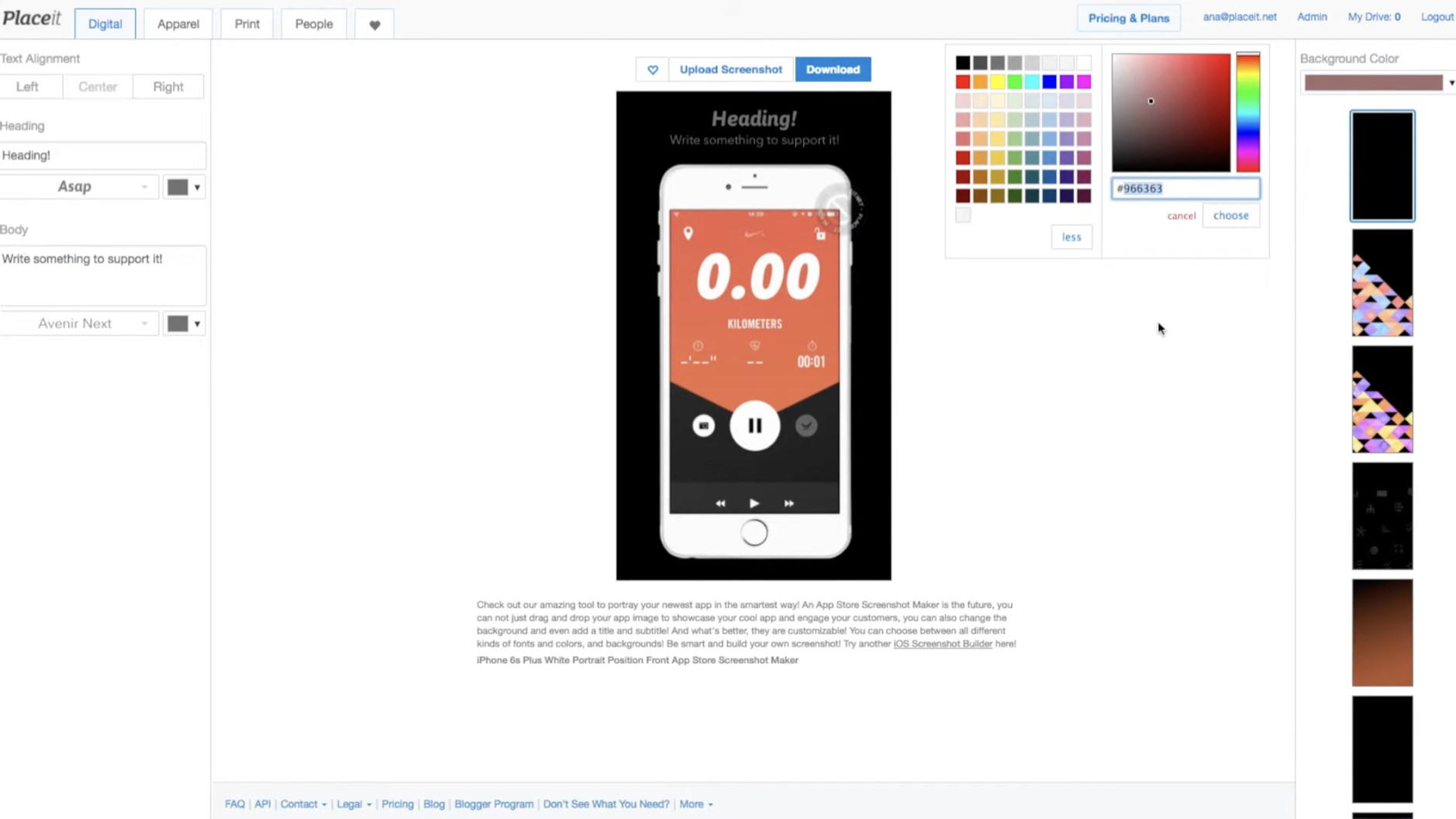
PlaceIt produziert Produkt-Screenshots vor Stockfoto-Hintergründen. Seit Anfang August funktioniert das nicht nur per Drag & Drop übers Web, sondern auch über die iPhone-App (kostenlos; App-Store-Link). Außerdem lassen sich kurze Videos von Webseiten oder Apps, die man ansprechend präsentieren möchte, vor einem interaktiven Hintergrund einbinden.

Video

PlaceIt funktioniert wie angepriesen, begleitet aber ein extrem undurchsichtiges Lizenz-Konstrukt. Die Unterscheidung nach Abo und Einzelkauf ist klar, die vier verschiedenen Nutzungsmodelle, kommerziell, intern, für kleine oder große Webseiten, bei der die Bildkompositionen jeweils unterschiedliche Auflösungen und viel Kleingedrucktes mitbringen, schreckt jedoch ab.

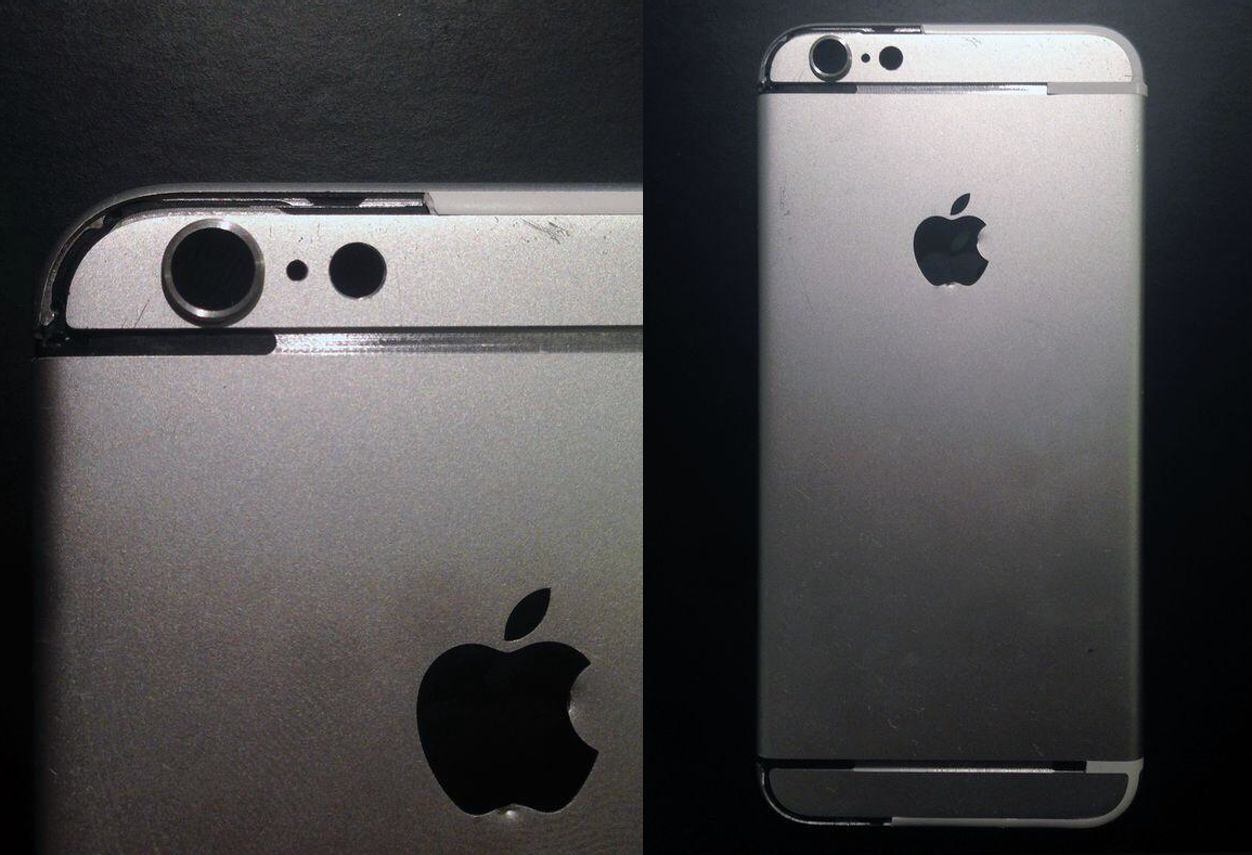
Apples Wette auf Saphirglas

IPhoneBlog de Saphir

Apple Inc. created the blueprint for a smartphone when it covered the touch screen of its first iPhone in glass, instead of plastic. Now, it is betting $700 million that sapphire, a harder and more expensive material, can replace glass and better protect future devices.

The first sapphire display screens for the forthcoming larger iPhone and smartwatch are expected to roll off production lines this month at a Mesa, Ariz., facility that Apple opened with materials manufacturer GT Advanced Technologies Inc. At full capacity, the plant will produce twice as much sapphire as the current output from the nearly 100 manufacturers world-wide, says Eric Virey, a senior analyst at French research firm Yole Développement.

„Nobody has ever invested this much money on sapphire,“ Mr. Virey says.

Daisuke Wakabayashi | WSJ

„Die Wette“ dreht sich nicht um ein paar läppische Hundert Millionen US-Dollar als Anfangsinvestition, sondern um die nächste Generation der iPhones. Eine Produktkategorie, die über 50-Prozent von Apples Firmenumsatz ausmacht.

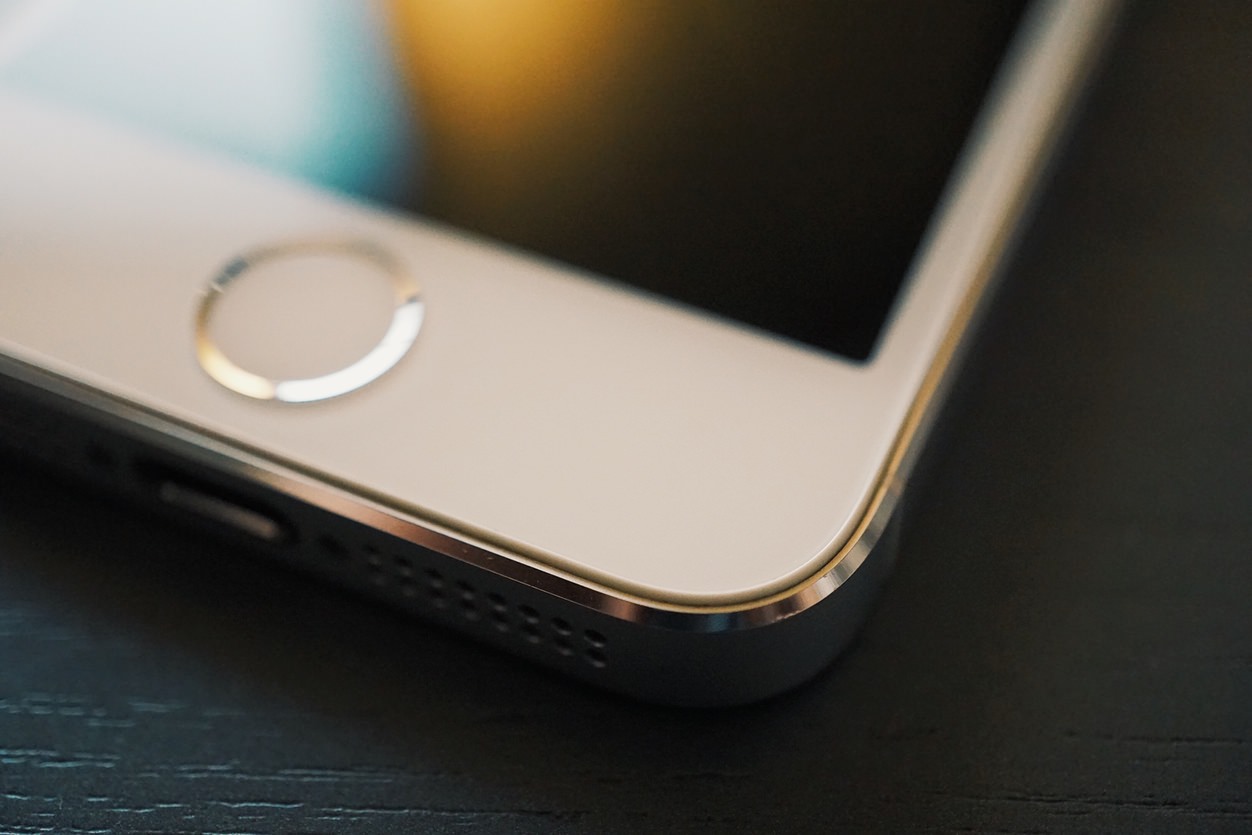
Ein Wechsel von Gorilla Glass auf Saphirglas ist noch ein Alleinstellungsmerkmal. Cornings Gorilla Glass ist heute nämlich der De-facto-Standard. Das wirft die Frage auf: Wie gut kann Saphirglas wirklich sein, dass Apple dies a) großflächig zuerst in seinem wichtigsten Produkt verbaut und b) dafür Einbußen in der Marge akzeptiert?

Wer bestimmt den E-Book-Preis?

IPhoneBlog de Librie

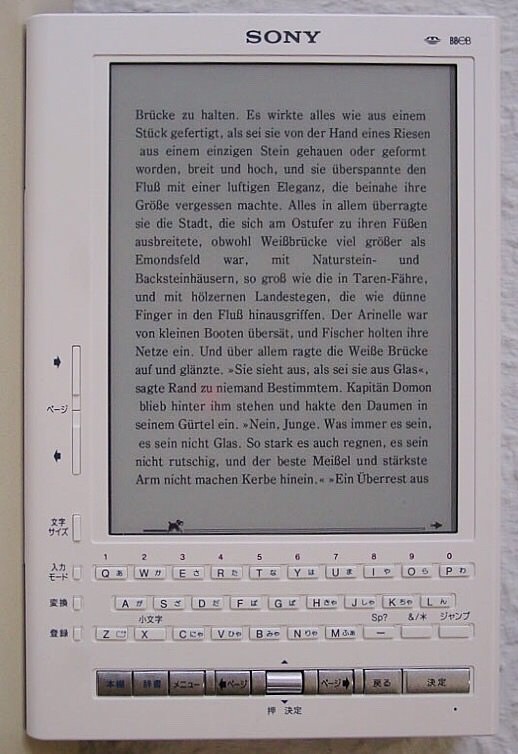
177 Euro und 50 Cent habe ich für meinen japanischen Librie EBR-1000EP vor vielen Jahren auf Ebay einmal gezahlt. E-Books gab es damals quasi nicht. Mittlerweile hat der Amazon Kindle den Kampf ums elektronische Buch gewonnen. Apple versucht über den iBookstore noch das iPads als Lesegerät im Spiel zu halten – als einer der letzten Mitbewerber, der dafür nicht komplett chancenlos scheint. Seit letzter Woche steht nämlich auch fest: Sony klappt seinen E-Book-Reader zu; der ehemals zugehörige Download-Store ist bereits seit Mai in der Hand von Kobo.

Der Sony Reader PRS-T3 markiert damit das Ende einer Ära. Sony zieht sich bis auf weiteres komplett aus dem Endkundengeschäft mit elektronischen Lesegeräten zurück – es sei einfach nicht mehr wirtschaftlich.

Johannes Haupt | Lesen.de

Zahlreiche lesenswerte Meinungen hat es zur mittlerweile öffentlich ausgetragenen Auseinandersetzung zwischen Amazon und dem Verleger Hachette ins Netz gespült.

Amazon is not your friend. Neither is any other corporation. It and they do what they do for their own interest and are more than willing to try to make you try believe that what they do for their own benefit is in fact for yours. It’s not. In this particular case, this is not about readers or authors or anyone else but Amazon wanting eBooks capped at $9.99 for its own purposes. It should stop pretending that this is about anything other than that. Readers, authors, and everyone else should stop pretending it’s about anything other than that, too.

John Scalzi

I will not sign a letter in support of Hachette. I feel bad for the authors who are suffering financially and I hope they get paid soon, but Hachette’s accusations are manipulative plays to our paranoia, no matter how justified that paranoia might be, because they have exactly zero plans on how to correct all the things they currently think are wrong with the market.

I will not sign a letter in support of Amazon. While as a customer I think they are fabulous and while they have the best deal in town for most self-publishers out there today, that environment is becoming increasingly more dependent on using Amazon and only using Amazon. I’ve seen that market before, and my historical perspective makes me more than suspicious, it makes me alarmed.

Everyone taking sides in this argument is wrong. Every single one of you. You are taking sides for the wrong reasons, supporting the wrong people, endorsing the wrong philosophies, and choosing either path is ultimately bad for everyone.

Christopher Wright

Und die vielschichtige Diskussion beschränkt sich schon lange nicht mehr nur auf die USA („Wie Amazon Autoren bedrängt“ / „Na, heute schon amazon gebasht?“).

Beim Lesen aller Für und Widers sticht ein (eigentlich) sehr offensichtlicher Aspekt ins Auge: Mit Amazon und Hachette streiten sich zwei Parteien, die lediglich zwischen Autor und Leser stehen. Sie reichern den Entstehungsprozess, der ein Buch zum Leben erweckt, an, vermitteln, bewerben und kurskorrigieren – alles richtig, stehen letztendlich aber nur in der Mitte einer Schreiber-Leser-Beziehung. Und für diese zwei austauschbaren Positionen pokern beide Streithälse nicht nur viel zu hoch, sondern nehmen mit Preisdiktaten und Verkaufsstopps Druckmittel in die Hand, die ihnen nicht zustehen – nicht zustehen dürften.

Das Resultat: a) zu teure und b) nicht erhältliche E-Books. So verkauft sich ganz sicher keine Download-Literatur weshalb Steve Jobs auch aus heutiger Sicht noch richtig liegt als er im Januar 2010 an einen der beteiligten Verleger schrieb1: „Without a way for customers to buy your ebooks, they will steal them. This will be the start of piracy and once started, there will be no stopping it. Trust me, I’ve seen this happen with my own eyes.


  1. Obwohl die Preisabsprachen zurecht in einem Kartellverfahren debattiert werden. 

Ein ungelöstes Problem: App-Store-Apps finden

IPhoneBlog de App Store Curation

Jean-Louis Gassée fehlen App-Store-Angestellte, die die iOS-Softwareauswahl im Download-Store für iPhone und iPad besser aufbereiten. Er fordert mehr Kuratoren und weniger automatisierte Algorithmen.

Das ist (auch für ihn) keine neue Feststellung, aber immer noch eine richtige und wichtige Forderung, die wiederholt werden darf.

Why do I care? Good question, I’m now 70 and could just sit in zazen and enjoy the show. And there’s a lot of show to enjoy: The tech industry is more exciting now than when I was a rookie at HP France in 1968. But in today’s app stores, the excitement fades — and I’m not just talking about Apple, Android’s Google Play is every bit as frustrating. I see poorly exploited gold mines where quantity obscures quality and the lack of human curation ruins the Joy of Apps. There are caves full of riches but, most of of the time, I can’t find a path to the mother lode.

An Open Letter To Tim Cook

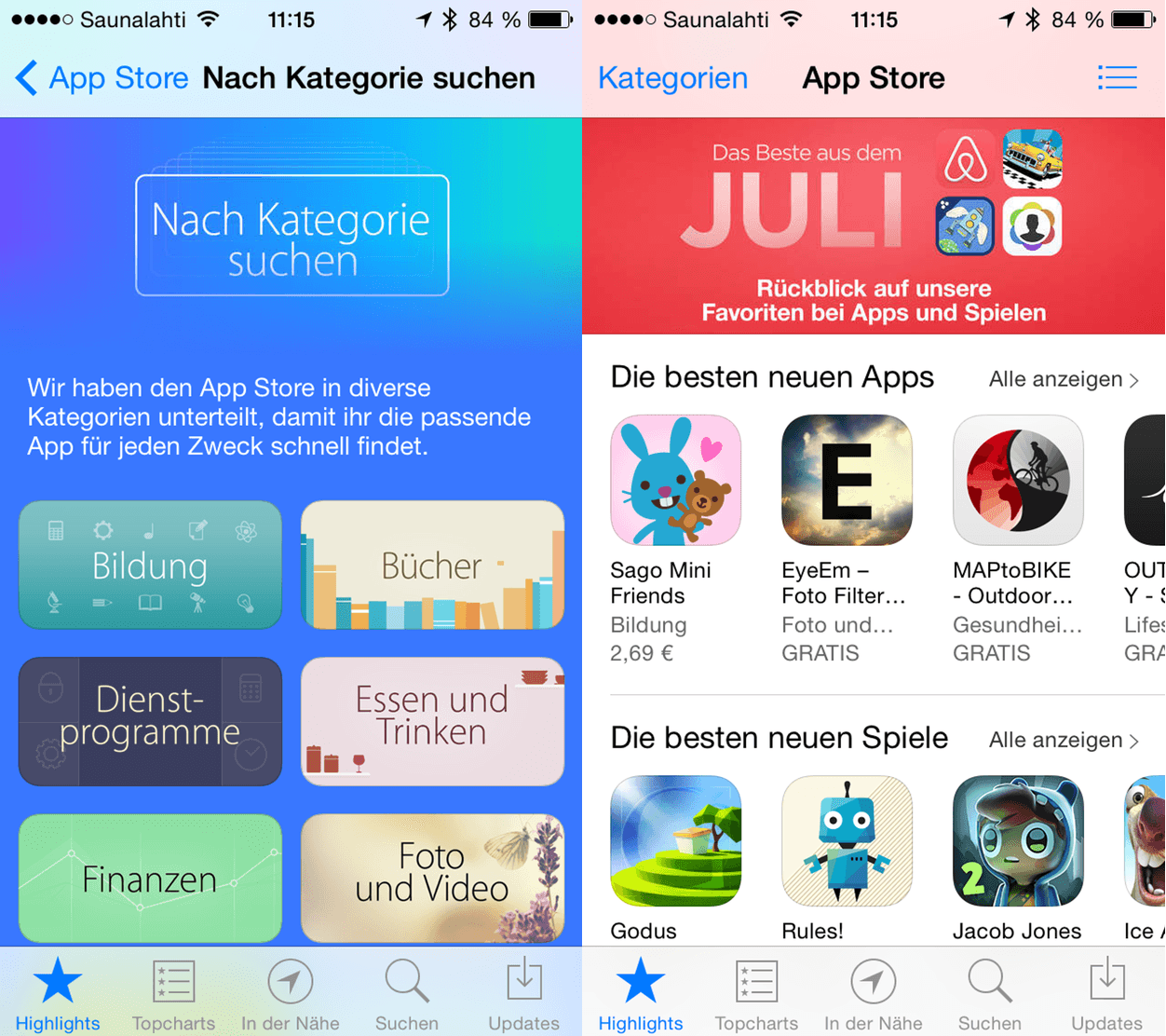
Ich kritisiere Bestenlisten und Sternchenbewertungen seit Jahren, sehe mittlerweile jedoch sanfte Kurskorrekturen. Menschliche Züge zeigen sich beispielsweise auf der Startseite, die durchsetzt ist mit Tipps der Redaktion, Monatsrückblicken, einer wechselnden App der Woche und themengebundenen Bundles. Das Problem: Die gepflegte Auswahl ist nur ein Bruchteil des Katalogs, der ansonsten fast unauffindbar bleibt.

David Smith äußerte in „Towards a Better App Store“ erst kürzlich konkrete Verbesserungsvorschläge. Doch Apple fehlt es hier nicht an Perspektive, sondern der Umsetzung. Ex-Start-up Beat Music löste ein vergleichbares Problem für Musik, setzte sich damit von Spotify und Co. ab und fand so ein neues Zuhause.

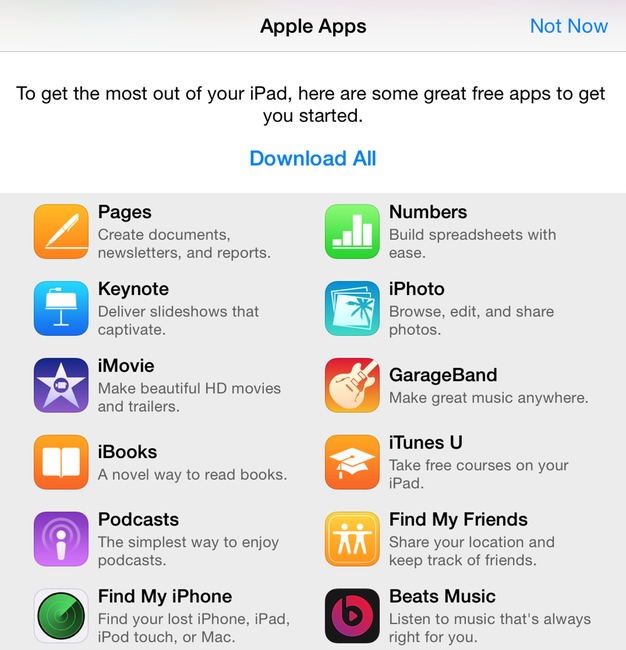
IPhoneBlog de Apple Apps

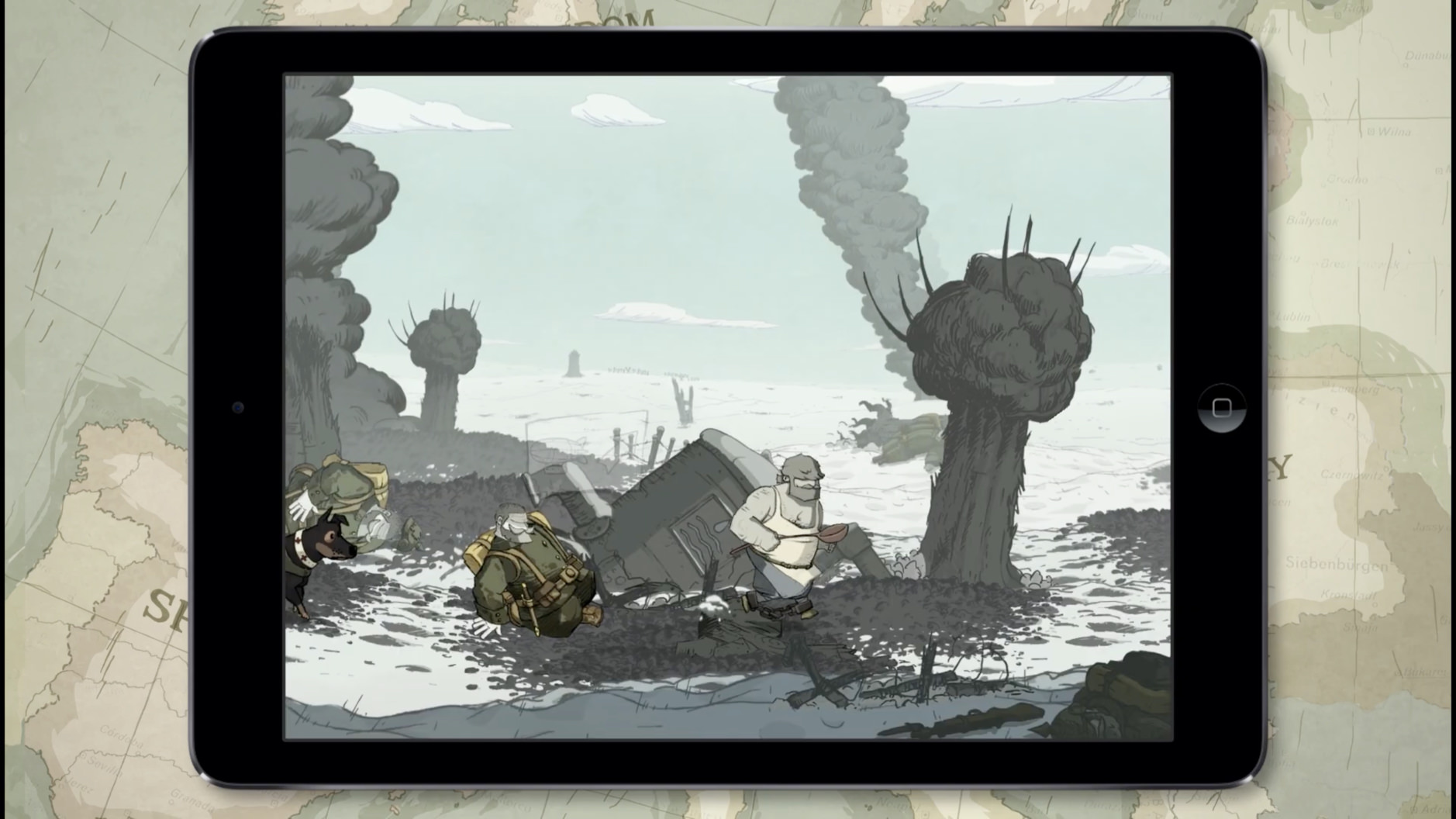
4. September: Valiant Hearts für iOS

Video

Valiant Hearts drückte mir als PC-Version eine Träne ins Auge. Am 4. September darf ‚The Great War‘ auch aufs iPhone und iPad1.


  1. Die Podcast-Empfehlung zum Ubisoft-Titel lautet auch diesmal: Insert Moin

Apples Herausforderung im Herbst

So ausgetragene iPhones sind extrem charmant – findet Apple übrigens auch (siehe Sekunde 15). Ich behandele meine Geräte dafür aber immer viel zu sorgsam. Mein 5s könnte ich jetzt, nach einem Jahr intensiver Nutzung, wieder in seine Verpackung betten und man müsste das Gerät schon selbst in die Hand nehmen um die haardünnen Kratzer und Schürfwunden zu finden.

Das war nicht immer so. Vielleicht war das 5s sogar das erste Apple-Telefon, das nicht mit abbrechenden Stummschaltern (iPhone Classic), Haarrissen im Plastik (iPhone 3G), flauen Homebuttons (iPhone 4), schwächelnden Standby-Tasten oder abplatzenden Lackschäden – alias ‚Scuffgate‘ – (iPhone 5) kämpfte.

Die Retrospektive verzerrt (natürlich). Keines der genannten Probleme war ein Showstopper. Dem 5s fehlte jedoch in seinem ersten Jahr ein ähnlich prominentes Hardware-Problem (an dem man sich hätte auch medial abarbeiten können). Das 5s bleibt daher in Erinnerung als ein iPhone, das knapp sechs Monate von seiner umgestrickten iOS-Firmware ausgebremst war.

Diesen Herbst liegt das Augenmerk, zur Apple-Hardware-Saison, vermutlich nicht auf iOS 8 und aller Voraussicht nach auch nicht auf den optisch nur leicht modifizierten Geräten. Im Mittelpunkt sehe ich iCloud und alle Onlinedienste, die Kunden als iCloud wahrnehmen, weshalb ich den Ausbau von Apples Content Delivery Network für eine der wichtigsten News aus den vergangenen Wochen halte.

Since last year, Apple’s been hard at work building out their own CDN and now those efforts are paying off. Recently, Apple’s CDN has gone live in the U.S. and Europe and the company is now delivering some of their own content, directly to consumers. […] From ISPs I have spoken with, they tell me Apple has put a massive amount of capacity in place, with many saying that Apple has more than 10x the capacity they are using today, all ready to go.

Dan Rayburn | StreamingMediaBlog

Von Detroit bis China: 2 neue iPad-Storys

Video

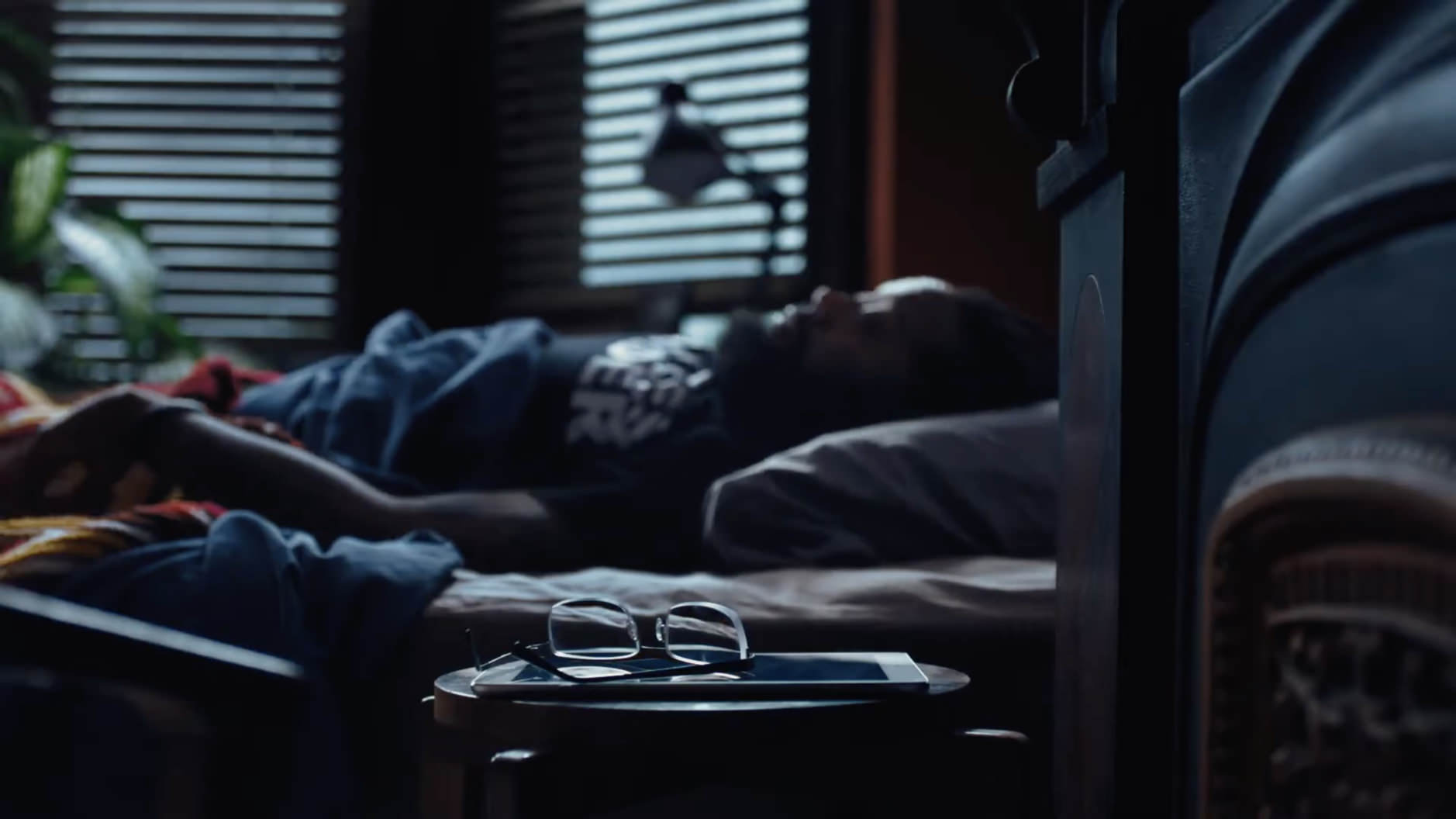
Die ‚Your Verse‘-Spots fürs iPad bleiben überzeichnet, aber echt. Die Pop-Gruppe Yoaband und der Sozialarbeiter Jason Hall sind nicht erfunden. Das zieht die Werbung auf eine fast sachliche Ebene und verstärkt das Statement fürs Apple-Tablet um langsam aber stetig ein verständlicheres Produkt zu formen.

Video

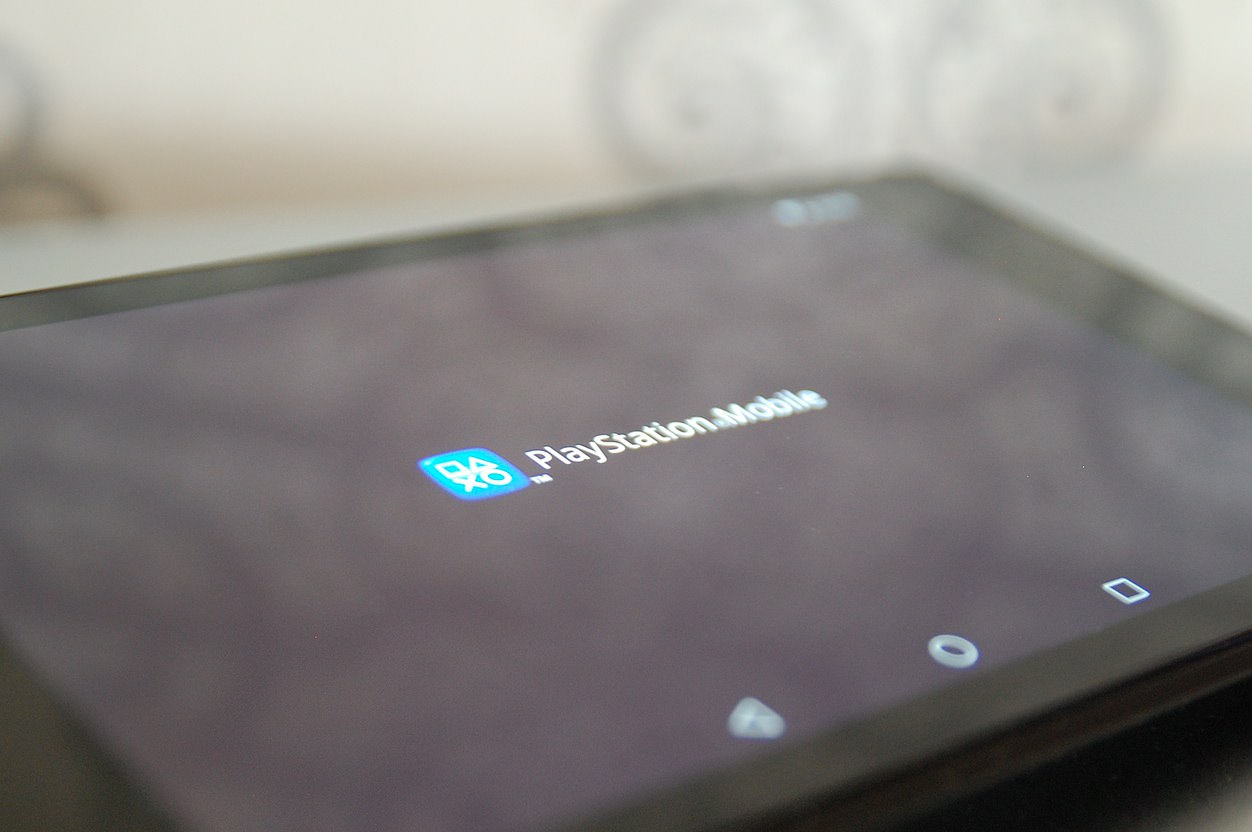
Sony stampft PlayStation Mobile für Android ein

IPhoneBlog de PlayStation Mobile

„Android is ready to play“ sagte Sony im Frühjahr 2011. Xperia Play sei „cooler als das iPhone“. Die PlayStation Suite, später umbenannt in PlayStation Mobile, wäre eine „Killer App für Google TV“ – träumte Kazuo Hirai.

Sony has very unexpectedly announced that it will pull support for PlayStation Mobile (PSM) on PlayStation Certified devices from Android 4.4.3 KitKat onwards. […] PlayStation Mobile will continue to exist, but only for the PlayStation Vita (PS Vita) and PS Vita TV. The move is a big shame for Xperia and PlayStation fans, when PSM was first announced there was a feeling it could be a big differentiator for Xperia handsets.

Xperia Blog

Und es sind nicht nur die „zertifizierten“ PlayStation-Handys, sondern auch Tablets, denen man hier ein tatsächliches Alleinstellungsmerkmal wegnimmt (obwohl die Idee auf Android bis heute nie wirklich in Tritt kam).