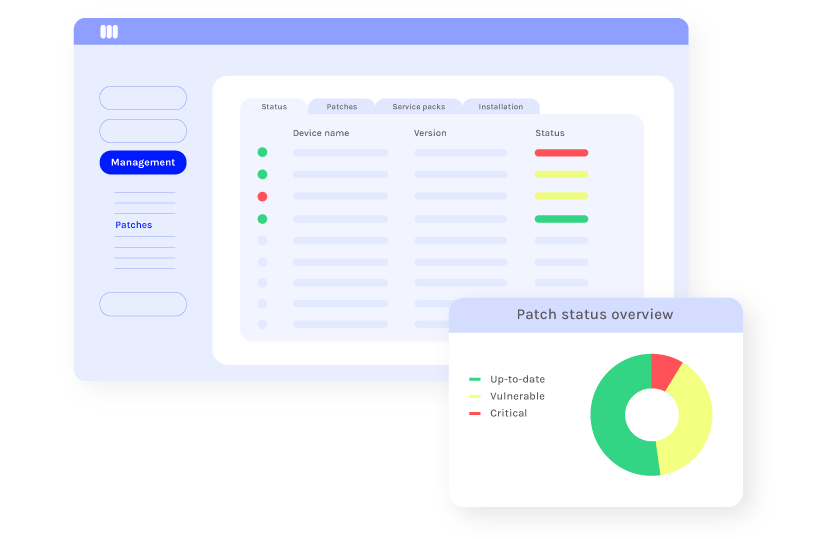
Miradore ist die clevere Art der webbasierten „All-in-One“-Geräteverwaltung im Self-Service – für iOS, macOS, Android und Windows. Das neuste Highlight der zentralen Verwaltung eurer mobilen Endgeräte: macOS Patch-Management – auch für Software von vielen Drittanbietern.
Sicherheitslücken gehören schnellstmöglich gestopft, eh klar! Miradore behält dafür euren Gerätefuhrpark und dessen Softwareprodukte im Blick. Ein neuer Patch wird direkt beim Hersteller heruntergeladen; ihr testet ihn zuerst mit einer kleinen Gruppe von Geräten, bevor ihr ihn anschließend an alle Mitarbeit:innen verteilt. Ein übersichtlicher Statusbericht zeigt die Verfügbarkeit neuer Updates sowie den Installationsstatus – für Software von Dropbox über Mozilla bis Microsoft.
Software und Systeme, die dank Patch-Management auf dem neusten Stand sind, laufen performant, stabil und führen zu keinen Unterbrechungen der Arbeit. Dies von Hand sicherzustellen, ist bereits mit wenigen Endgeräten sehr ineffizient. Aus diesem Grund nutzt man das Mobile Device Management (MDM) von Miradore.
Mit Serverstandort in Deutschland: nicht nur für Datensicherheit, sondern auch für die Einhaltung gesetzlichen Vorgaben, Unternehmensrichtlinien sowie zeitnahem Support in deutscher Sprache.
Das vollständige und plattformübergreifende Angebot testet ihr unverbindlich für 14 Tage. Wenn mehr Zeit benötigt wird, lässt sich der Testzeitraum verlängern. Bei Fragen vereinbart ihr einen Termin mit Andreas Handler, eurem persönlichen Ansprechpartner.
Probiert Miradore auch erst einmal privat aus, und nehmt dann eure Erfahrungen in die Firma oder das eigene Team mit.
Vielen Dank an das gesamte Team von Miradore für die Unterstützung von iPhoneBlog.de in dieser Woche.
We hope that this cursory tour of some of Signal’s operations and costs helps provide a greater understanding of Signal’s unique place in the tech ecosystem, and of the tech ecosystem itself.
Our goal of developing an open source private messenger that is supported and sustained by small donations is both highly ambitious and, we believe, existentially important. The cost of most consumer technology is underwritten by surveillance, which has allowed people to assume that “free” is the default, and a handful of industry players have accrued eye-watering amounts of personal data and the unprecedented power to use that data in ways that are shaping our lives and institutions globally.
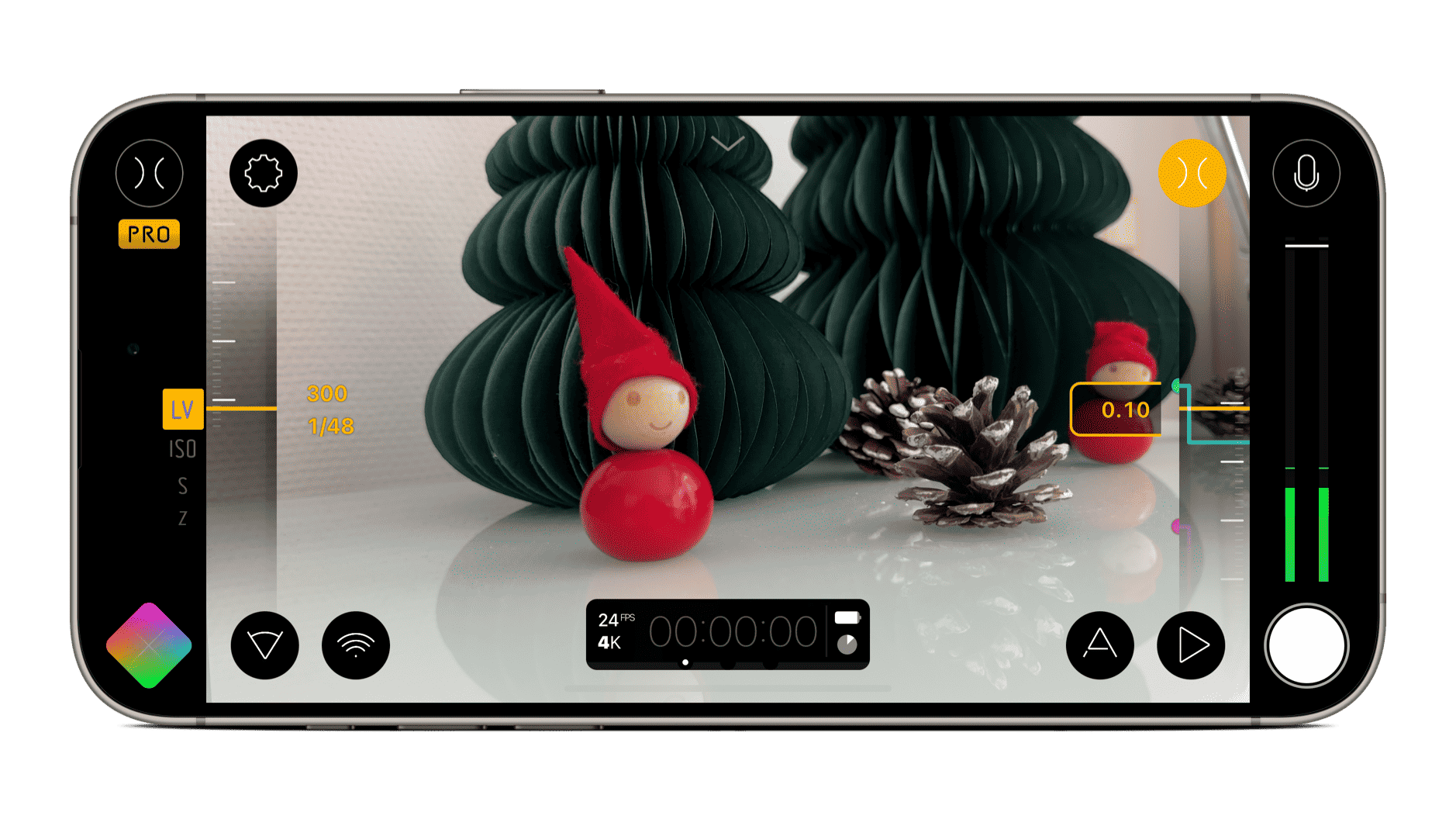
Filmic, or FiLMiC as written by the brand, no longer has any dedicated staff as parent company Bending Spoons has laid off the entire team including the company’s founder and CEO, PetaPixel has learned.
Considered for years as the best video capture application for mobile devices, the team behind Filmic Pro and presumably Filmic Firstlight — the company’s photo-focused app — has been let go. Rumors arose last month that Bending Spoons performed a round of layoffs that affected the operations, maintenance, and development and brought those functions in-house. The layoffs were confirmed to PetaPixel by sources close to the matter who asked to remain anonymous as they were not authorized to speak on behalf of the brand.
Die beste (Last‑Minute‑)Geschenkidee ist selbstverständlich #one. Verschenkt das Abo für einen Monat oder (günstiger) für ein Jahr. Über 383 Episoden haben sich dort bereits angesammelt; in jeder Woche kommt eine neue Folge dazu. Obendrein ist unser Slack super-hilfreich und fast überzogen freundlich!
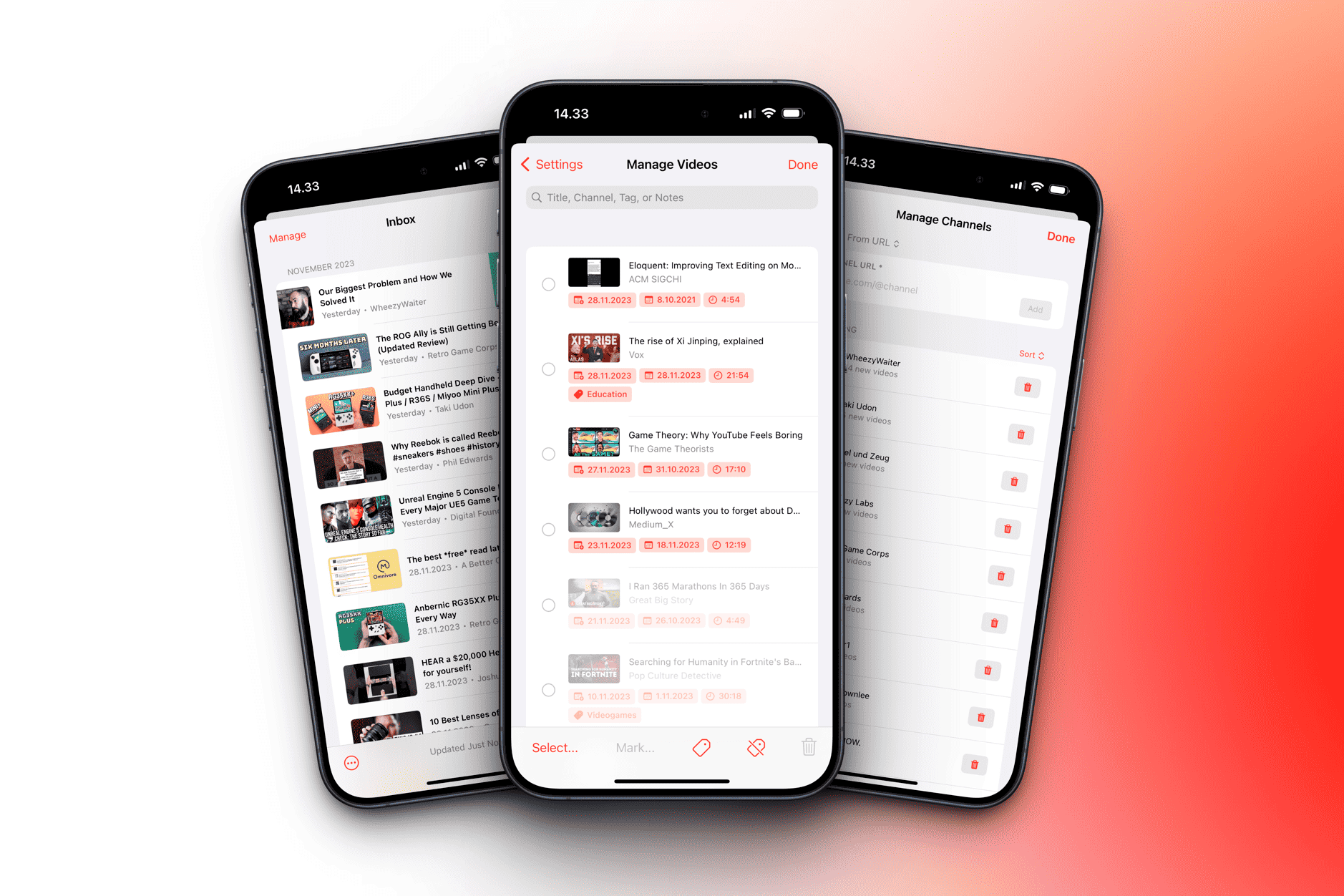
YouTube findet für mich ausschließlich in den „Subscriptions“ statt. Ich klicke mich nicht durch Videos auf der Hauptseite; ich umgeheweiträumig ihre Shorts.
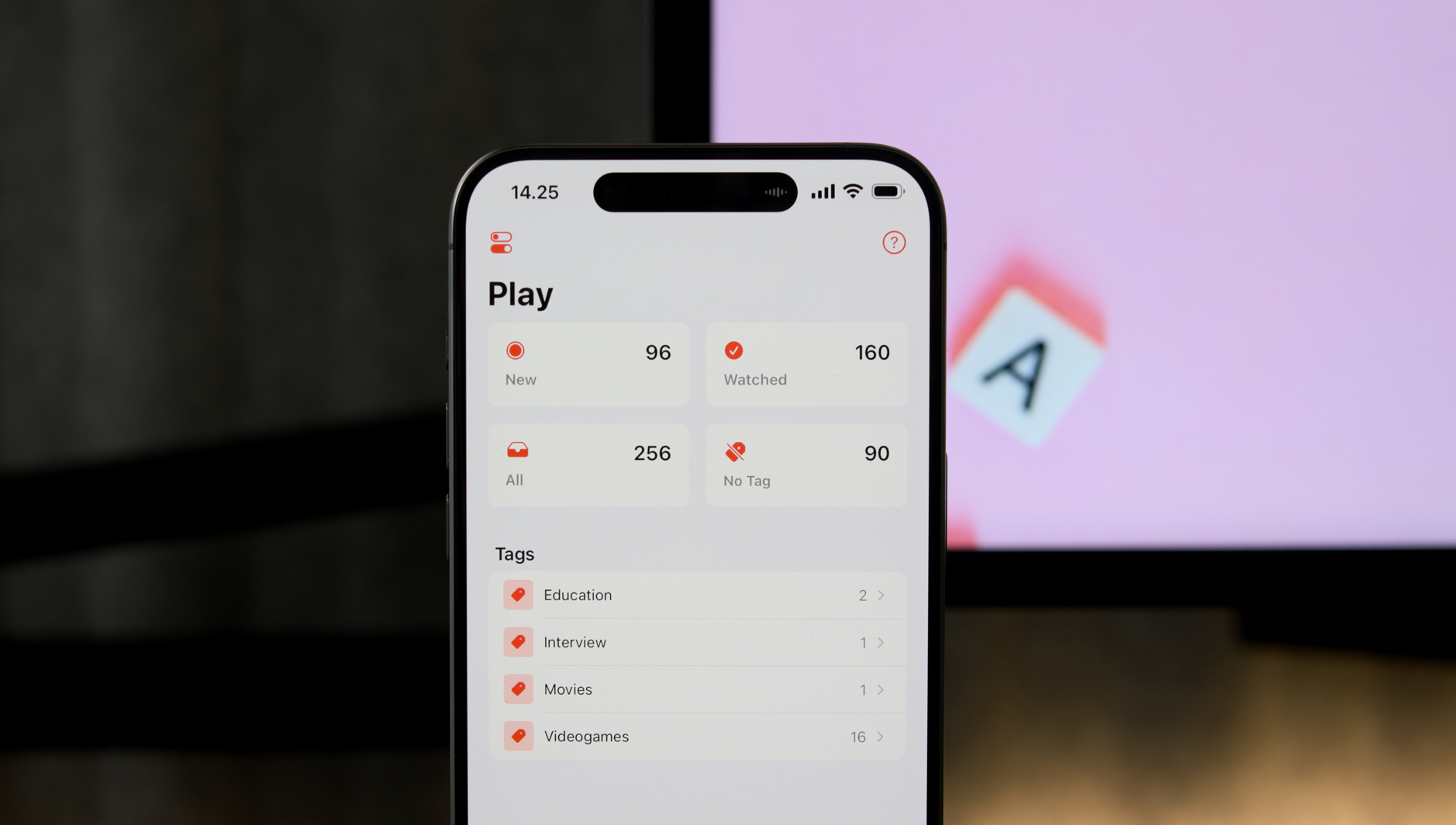
Play unterstützt diese Disziplin; Version 2 verschärft meine Selbstkontrolle – abonnierten Kanäle folge ich nun nämlich außerhalb von Googles App.
Play bietet eine Übersicht meiner abonnierten „Channels“. Das entspricht gewissermaßen einer aufgeräumteren Darstellung der Abo-Ansicht, so wie ihr diese unter youtube.com/feed/subscriptions findet. Tippt ihr dort doppelt auf ein Video, fügt ihr es eurer Später-Anschauen-Liste hinzu.
Es ist eine elegantere Lösung, als sich (über Feedbin) im RSS-Reader benachrichtigen zu lassen. Wenn euch bestimmte Videos oder Themen nicht interessieren, ignoriert ihr einfach diese Veröffentlichungen. Die entsprechenden Videos rollen in einer Art Posteingang dann nach unten durch.
Während Play für mich bislang nur einzelne Videoempfehlungen einsammelte – Clips, die mich über Mastodon oder RSS erreichten –, folge ich dort jetzt individuellen Publikationen.
Es ist eine Art der YouTube-Nutzung, die für Google keine Priorität hat. Ich würde sogar behaupten, es besteht die Gefahr, dass die „Subscriptions“-Kategorie zukünftig weniger prominent platziert wird. Solange die individuellen YouTube-Publisher aber unter eigener URL und per RSS erreichbar bleiben, entspricht Play genau meiner Nutzung von Googles Videoplattform.
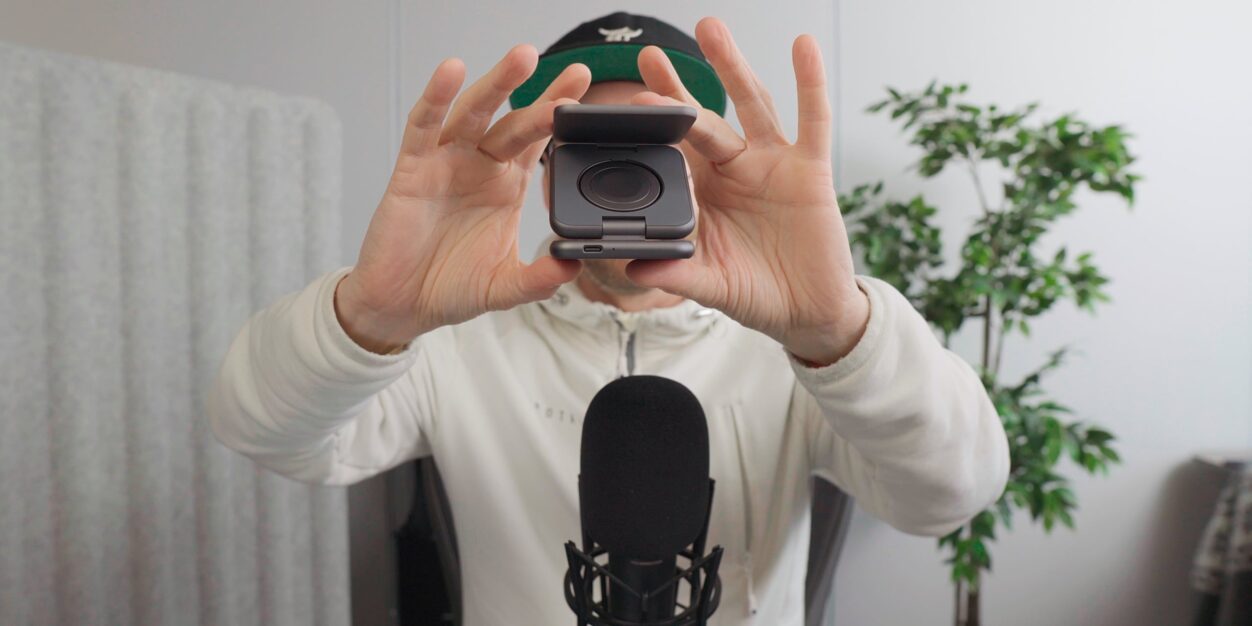
Würde Geld keine Rolle spielen, würden meine Sprachaufnahmen ein CM-15 und TP-7 von Teenage Engineering aufzeichnen.
Große Zukunftshoffnungen auf finanzielle Unverantwortlichkeit hege ich aber nicht. Deshalb kitzeln wir mit Software das letzte Quäntchen Qualität aus dem iPhone-Mikrofon.
Hier das Intro zur Episode:
iPhoneBlog #one kann man abonnieren. Alle Abonnent:innen bekommen jede Woche ein neues „Gewusst-wie”-Video, den Zugriff auf alle schon veröffentlichten Episoden und die Einladung zu einer ganz besonderen Community in einem privaten Slack-Kanal.
iPhoneBlog #one ist ausschließlich von Lesern und Leserinnen finanziert und unterstützt direkt das iPhoneBlog.