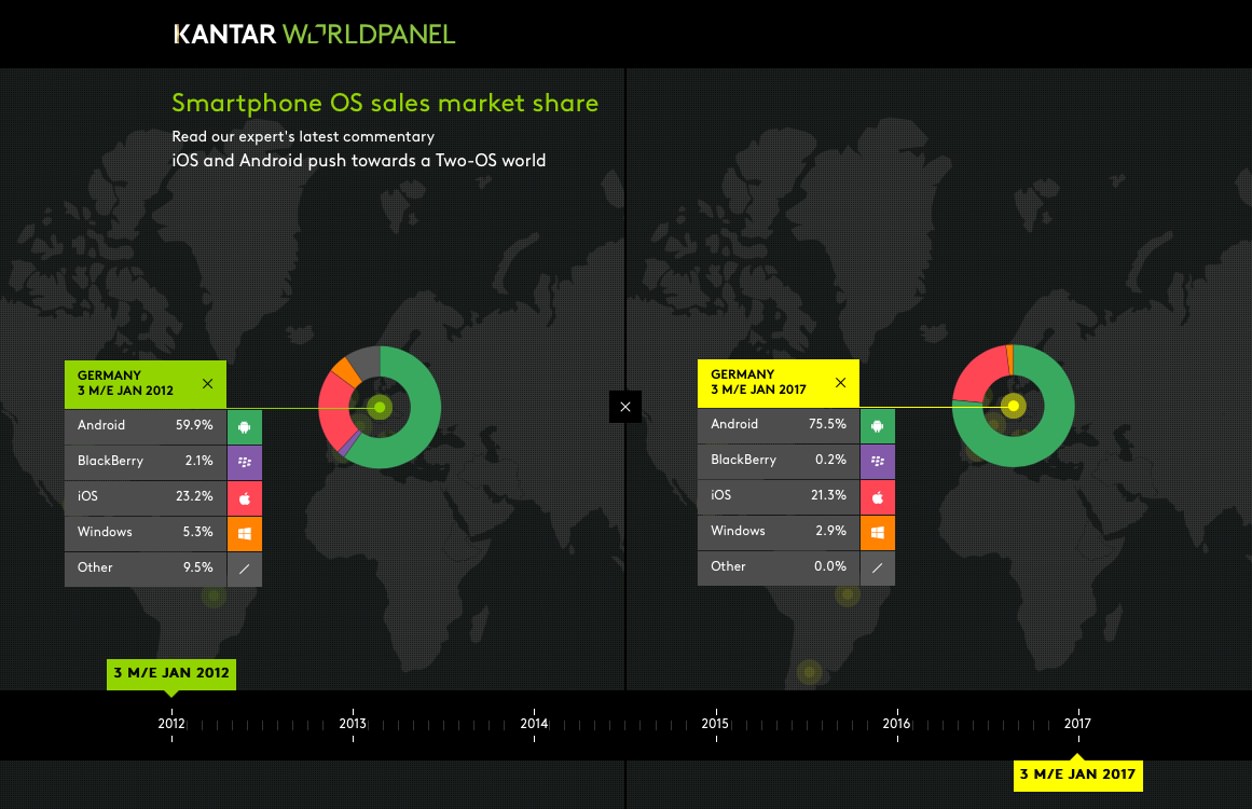
The latest smartphone OS sales data from Kantar Worldpanel ComTech shows that iOS achieved continued growth across most regions tracked, except for Japan, Spain, and Urban China. Android also continued to post market share increases in all regions but the US, as no other ecosystem is challenging the two giants – iOS and Android.
Gone are the days when a BlackBerry OS, Symbian, or Windows Mobile could make a significant impact. It is clear that there will only be two smartphone ecosystems moving forward – iOS and Android. To succeed, phone manufacturers will have to play by those rulebooks.
Ob die Aufstellung von Stickerlist tatsächlich vollständig ist, kann ich nicht garantieren. Nachdem ich Apples neuen Werbespot für iMessage, untermalt mit dem grandiosen Song „Boys Are Boys And Girls Are Choice“ von The Monks (Apple Music) nun aber 23 Mal gesehen habe, kann ich mindestens 80-Prozent der oben aufgelisteten Aufkleber im Video wiederfinden.
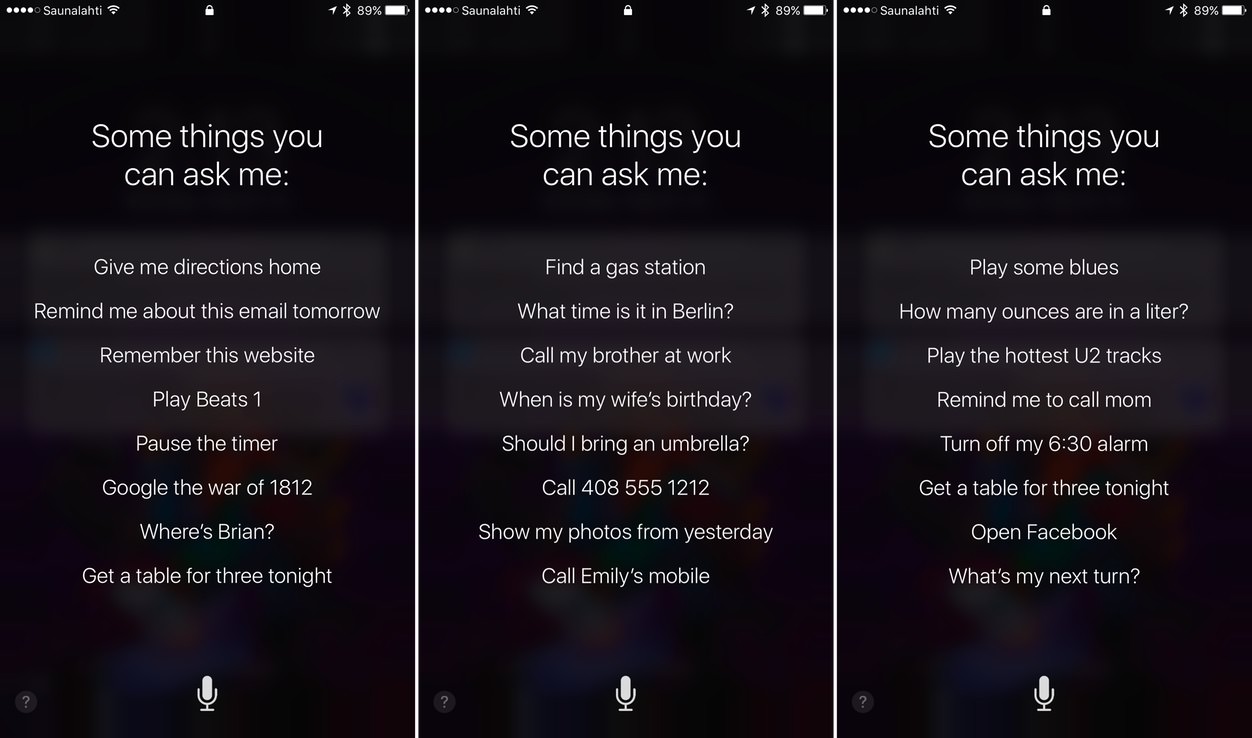
This tends to point to the conclusion that for most companies, for voice to work really well you need a narrow and predictable domain. You need to know what the user might ask and the user needs to know what they can ask. This was the structural problem with Siri – no matter how well the voice recognition part worked, there were still only 20 things that you could ask, yet Apple managed to give people the impression that you could ask anything, so you were bound so ask something that wasn't on the list and get a computerized shrug.
Im direkten Vergleich mit Google schneidet Siri nicht auffällig schlechter ab. Die Antwortqualität ist aber weitgehend egal, wenn man nicht zuerst weiß welche Fragen Siri tatsächlich versteht.
Fünfeinhalb Jahre nach dem iPhone 4s, das Siri präsentierte, hat sich daran wenig getan. Sprachbefehle für Siri muss man größtenteils immer noch ausprobieren. Und dieser Trial & Error-Grundsatz ist wenig motivierend.
Meanwhile, voice is not necessarily the right UI for some tasks even if we actually did have HAL 9000, and all of these scaling problems were solved. Asking even an actual human being to rebook your flight or book a hotel over the phone is the wrong UI. You want to see the options. Buying clothes over an IVR would also be a pretty bad experience. So, perhaps one problem with voice is not just that the AI part isn't good enough yet but that even human voice is too limited. You can solve some of this by adding a screen, as is rumored for the Amazon Echo – but then, you could also add a touch screen, and some icons for different services. You could call it a 'Graphical User Interface', perhaps, and make the voice part optional…
As I circle around this question of awareness, it seems to me that it's useful to compare Alexa with the Apple Watch. Neither of them do anything that you couldn't do on your phone, but they move it to a different context and they do it with less friction – so long as you remember. It's less friction to, say, set a timer or do a weight conversion with Alexa or a smart watch, as you stand in the kitchen, but more friction to remember that you can do it. You have to make a change in your mental model of how you'd achieve something, and that something is a simple, almost reflexive task where you already have the muscle memory to pull out your phone, so can this new device break the habit and form a new one? Once the habit or the awareness is there then for some things a voice assistant or a watch (or a voice assistant on a watch, of course) are much, better than pulling out your phone, but the habit does somehow have to be created first.
Wir sollten obendrein die Attraktivität, die ein eigenes Smartphone oder die persönliche Watch ausübt, nicht unterschätzen.
Digitale Assistenten in Form von kleinen Zylindern, die sich frei in der Wohnung verteilen und jedem zuhören, der das richtige Codewort sagt, sind extrem unpersönlich.
Es ist vielleicht nur irritierend, wenn Gäste eure Lampen ein- und ausschalten. Es ist jedoch schlicht abtörnend, wenn diese Besucher sich mit einem Kommando auch meine Mails und Nachrichten vorlesen lassen (könnten).
Ich halte die meisten Haushalte deshalb noch für weitgehend inkompatibel zu Google Home oder Amazon Echo.
Wer ist noch jung genug um sich ans Brettspiel ‚Tipp Kick‘ (Affiliate-Link) zu erinnern?
Ja?
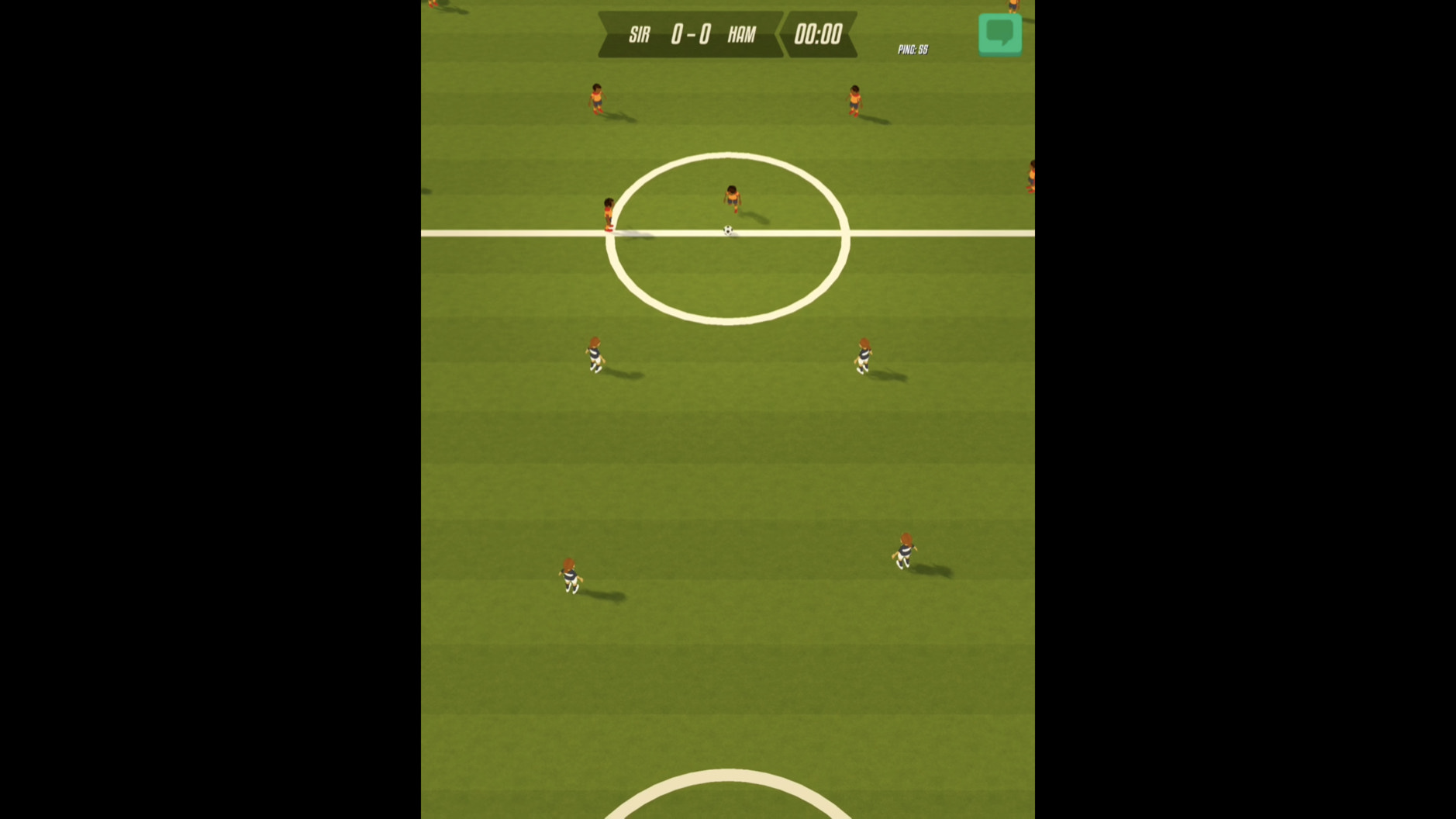
Solid Soccer (universal; Laden) versprüht einen ähnlichen Charme. Ihr kickt hier mehr oder wenig unbeschwert das runde Leder über den Platz. Vorzugsweise einfach immer nach vorne – ohne wirklich Fingerspitzengefühl beweisen zu müssen und in der naiven Hoffnung auf eine aussichtsreiche Schussposition.
Das simple Gameplay liefert den Anreiz für ein schnelles Match. Eure Männer- oder Frauen-Truppe kennt ganze zwei Aktionen: Kicken und Grätschen. Einen einzigen Finger braucht es dafür.
Tore (und Schüsse in Richtung Tor) sind eine Kombination aus Timing, Training und Glück. Wenn so ein Tor gelingt, ist das überraschend befriedigend.
Gespielt wird immer aus der Vogelperspektive und im hochkanten Bildformat. Solid Soccer benutzt GameCenter um euch Partien gegen andere Spieler_innen anzubieten. Es ist ganz amüsant in diesen Auseinandersetzungen ein paar Emoji-Kommentare einzustreuen. Sollte kein menschlicher Konkurrent bereitstehen, spielt der Computer gegen euch.
Alle In-App-Käufe kann man übrigens getrost ignorieren – insbesondere wenn man sich nicht selbst den Spaß nehmen will. Ob das in den höheren Ligen immer noch so gilt, weiß ich nicht. Solid Soccer unterhält in erster Linie mit seinen knackig-kurzen Partien und nicht damit sein Team schneller in eine bessere Liga aufsteigen zu sehen.
Deshalb ist es mir nicht peinlich zuzugeben, dass ich mit diesem absoluten Zwischendurchtitel bereits ein paar unterhaltsame Stunden verbracht habe.
Nur alle Jubeljahre erleben wir die Veröffentlichung einer neuen Handheld-Konsole. Deshalb gibt’s in dieser Woche keine App, sondern eine Art illustrierte Kolumne.
Die Nintendo Switch ist dabei der Aufhänger um Apples schwieriges Verhältnis zu Videospielen zu thematisieren. Ich hoffe, ihr mögt die folgenden 7 Minuten.
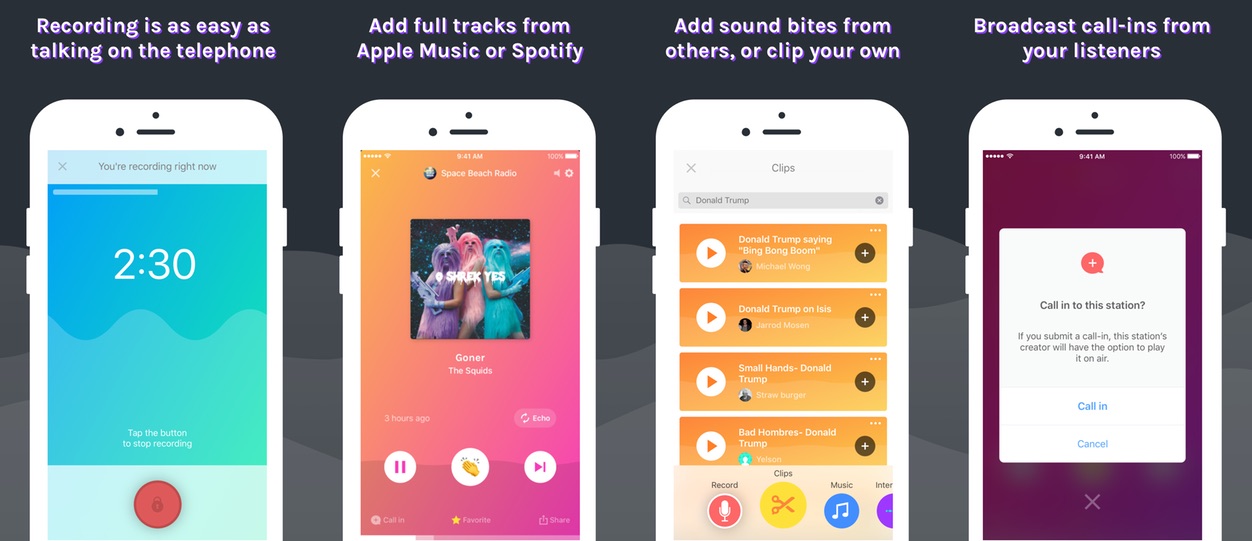
Radio zum Ausprobieren. Mit Anchor (Laden) klickt man sich selbst einen Job als (Rundfunk‑)Moderator_inn. Über die iPhone-App schnackt ihr ins Mikrofon eures Telefons, wählt Soundschnipsel und Jingles, spielt komplette Musikstücke und bindet aufgezeichnete Zuhöreranrufe auf euren Kanal ein.
The Outline liest dort beispielsweise seine Webartikel vor. Star Wars Explained ist primär ein YouTube-Kanal, der seine Analysen über Charaktere, Technologien, Bücher, Comics und Filme aus diesem Universum zusätzlich als Hörspiel über Anchor raushaut.
Als das Start-up vor einem Jahr als „Social Audio“-Angebot gestartet ist, habe ich es übersehen (oder ignoriert). Version 2 ist beeindruckend schick und zweckmäßig – egal ob man dort als Sender oder Zuhörer auftritt.
Vielversprechend ist die Aussicht auf ihre Transkriptions-Funktion (in Zusammenarbeit mit IBM Watson), die derzeit nur ausgewählte Kanäle haben. So werden die Informationen aus Audioclips ‚snackable‘ – für alle Situationen ohne Kopfhörer.
Anchor’s transcribed videos are the perfect tool for podcasters who want a new way to promote their audio on social media. It’s never been easier to highlight the best clips from your episodes and have them heard in bite size chunks on Twitter, Facebook, and Instagram.
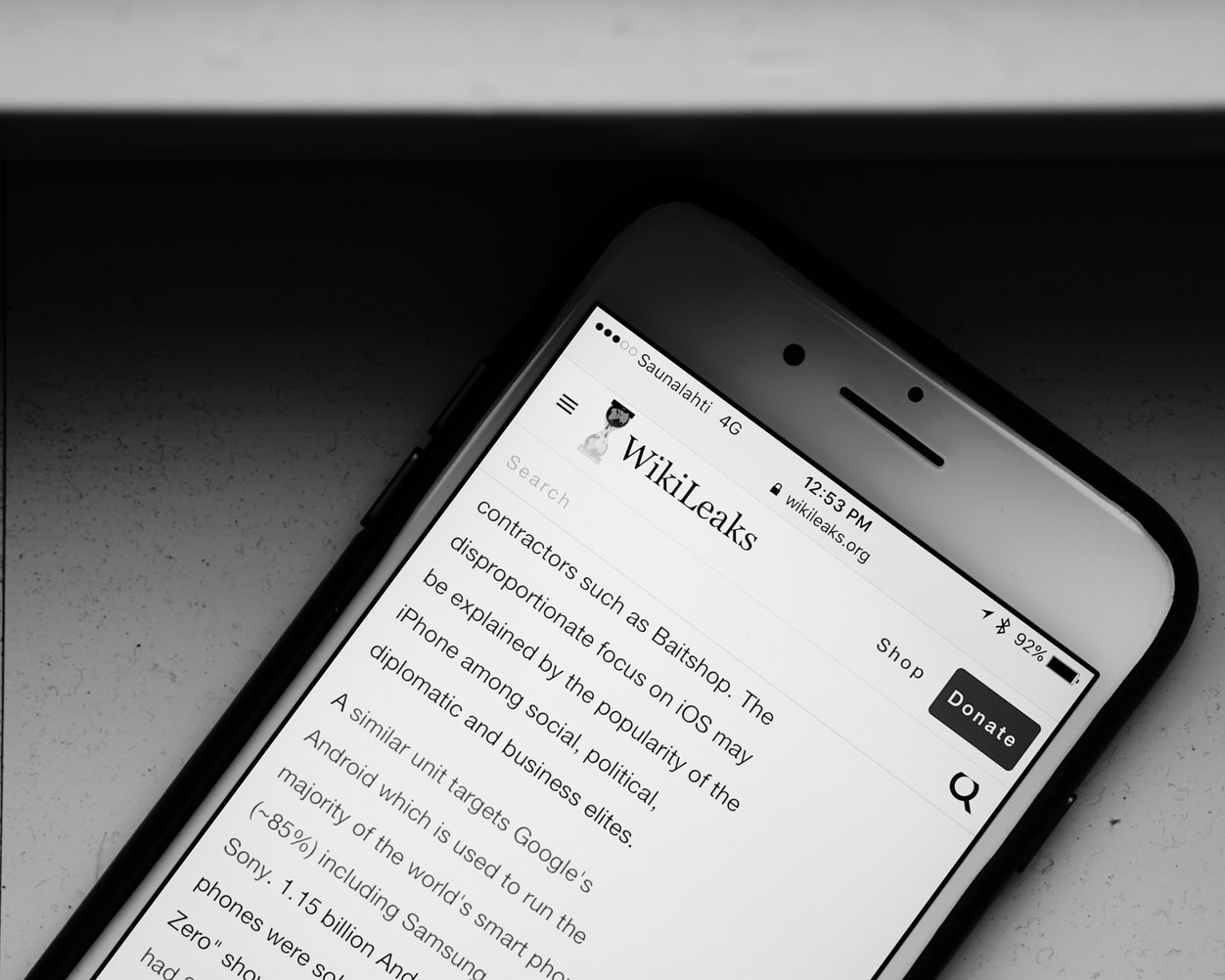
“Apple is deeply committed to safeguarding our customers’ privacy and security. The technology built into today’s iPhone represents the best data security available to consumers, and we’re constantly working to keep it that way. Our products and software are designed to quickly get security updates into the hands of our customers, with nearly 80 percent of users running the latest version of our operating system. While our initial analysis indicates that many of the issues leaked today were already patched in the latest iOS, we will continue work to rapidly address any identified vulnerabilities. We always urge customers to download the latest iOS to make sure they have the most recent security updates,” an Apple spokesperson said in a statement to TechCrunch.
Einige Medienberichte hängen sich an der von mir in Apples Pressestatement hervorgehobenen Wortwahl „many“ auf. Das impliziert, dass es so etwas wie eine hundertprozentige Sicherheit gäbe.
Wenn es aber um Sicherheitsupdates, Zero-Day-Exploits und IT-Spionage geht, gilt es eher zu betonen wie wichtig es ist seine Software und sein Betriebssystem auf dem aktuellsten Stand zu halten um permanent neue Sicherheitslücken zu blocken. Es gibt kein Szenario in dem dieses Katz- und Maus-Spiel irgendwann einmal endet.
Darüber hinaus gilt es zu unterstreichen wie wichtig die Verschlüsselung der eigenen Daten(‑Kommunikation) ist. Nur so verwandelt sich eine breite, unkontrollierte und schwierig zu enttarnende Massenüberwachung in teure, gezielte und risikobehaftete Einzelangriffe.
But as sharp and portable as the iPhone camera is, and as powerful as Lightroom’s editing controls are, telephone photos still struggle with dynamic range. Clipped highlights and/or noisy shadows are still the giveaways. You know, physics and all. But today Adobe has updated Lightroom Mobile (2.6 for iOS, 2.3 for Android) with a new feature: High Dynamic Range (HDR) capture.
Adobe hat zum neuen HDR-Mode ein fünfminütiges – minimal übermotiviert eingesprochenes – Tutorial auf YouTube geladen.
Um mit Lightroom (Laden) HDR-Bilder im DNG-Format einzufangen, bedarf es mindestens einem iPhone 6s, iPhone 7, iPhone SE oder iPad Pro 9.7”. Ein Creative-Cloud-Abo ist nicht notwendig.
Die Ergebnisse sind sehr vorzeigbar. Im Vergleich zur Standard-Kamera-App lässt sich über Lightroom mehr aus einer HDR-Aufnahme herausholen – zumindest wenn man gewillt ist dafür die notwendige Zeit mitzubringen.