On its own this is a minor change, and one that makes sense: In its most popular context, Apple’s podcast directory is accessed from the Podcasts app on iOS. iTunes is not a brand that needs to be associated with that product at all—it was only there because more than a decade ago, Apple extended the iTunes Store infrastructure and added podcast support to iTunes on the desktop. It was a long time ago. (Podcasters can get new badges to reflect the change.)
Looking at the larger picture, though, I have to assume that this is one part of a long, inexorable de-branding of iTunes. It proved to be a brand that was capable of having all sorts of non-tune-related things stuffed inside of it, but it was always an awkward fit and at some point it needed to be addressed.
Vor ein paar Jahren war alles iTunes; alles war in iTunes. Auf iOS kam die Marke iTunes aber nie richtig an. Dort gibt es inzwischen separate Anwendungen für Apps, Music, Videos, (Audio-)Bücher und Podcasts.
Mittlerweile ist es einzig und allein der „iTunes Store“ – zum Kauf von Musik und Filmen – der sich noch auf dem iPhone findet. Selbst die „iTunes Remote“ wurde kürzlich durch die „Apple TV Remote“ abgelöst.
Ob Apple sich aber die Mühe macht iTunes auf dem Mac1 zu entrümpeln und seine Funktionen in individuelle Apps steckt, wie sie das beispielsweise mit iBooks vor sieben Jahren taten, bleibt lediglich eine (große) Hoffnung.
Selbst wenn iOS für Apple mittlerweile die wichtigere Plattform ist: Von guten Desktop-Apps für Musik, Podcasts oder die Verwaltung von App-Store-Anwendungen würden auch iPhone- und iPad-Nutzer profitieren.
Für Windows wird ein solches „Unbundling“ von iTunes-Funktionen sicherlich keine Chance haben. ↩
Ich rate in dieser Woche explizit dazu mein Video auf einem iPhone oder iPad anzuschauen – hochkant und im Vollbild.
Clips (universal; Laden), Apples putzige kleine Video-App, bleibt das Thema der (Oster‑)Woche. Ich habe mir ein paar mehr Gedanken zur Schnittsoftware gemacht und diese auf Video festgehalten.
Hier die 40-Sekunden-Vorschau zur fünfminütigen Episode:
iPhoneBlog #one kann man abonnieren. Als Abonnent bekommt man jede Woche ein neues Video, den Zugriff auf alle schon veröffentlichten Episoden und die Einladung zur Diskussion in einem privaten Slack-Kanal. iPhoneBlog #one ist ausschließlich von Leser und Leserinnen finanziert und unterstützt direkt das iPhoneBlog.
Alle Infos und die Möglichkeit dabei zu sein, findet ihr unter iPhoneBlog.one.
Musikstreaming ist inzwischen eine „commodity“, eine austauschbare Standardware, die man sich bei unterschiedlichen Anbietern in vergleichbarer Qualität klickt. Auch deshalb investiert Apple kräftig in Personal undexklusiveProduktionen.
Es ist inzwischen nicht mehr zu übersehen, welchen Druck sie aufbauen um Marktführer im bezahlten Musikstreaming-Geschäft zu werden.
Neustes Beispiel ist die Konzert-Serie „House of Strombo“. Die erste Episode schaut man auf Apple Music oder YouTube. Das fünfminütige Intro-Interview mit Zane Lowe und George Strombo findet sich hier.
George Stroumboulopoulos, the motorcycle-riding media personality, has added a new title to his well-known curriculum vitae: Apple Music Curator.
It was announced on Thursday by Apple Music that the CBC Radio 2 host will bring House of Strombo, a 10-episode concert series he hosts from his downtown Toronto home, to the U.S.-based subscription service. Stroumboulopoulos will also provide exclusive playlists.
All my devices have passcodes. I use alphanumeric passcodes on my iOS devices. I have Touch ID enabled. My Apple Watch locks when I take it off. Find My iPhone is turned on for all devices and Activation Lock is enabled.
I’m really doing my best here. Ironically, though, it’s this good level of security that makes the recovery trickier.
Wie würdet ihr euch einen Dropbox-Account, eine Apple ID oder ein Google-Konto zurückholen, wenn euch jemand alle eure iPhones, iPads und Macs wegnimmt? Welche Passwörter könnt ihr noch ohne nachzuschauen aufsagen und welche zweite, dritte oder vierte „vertrauenswürdige Telefonnummer“ empfängt bei euch Sicherheitscodes für Logins mit Zwei-Faktor-Authentifizierung?
Fraser Speirs spielt in Gedanken einmal sein „worst case scenario“ durch.
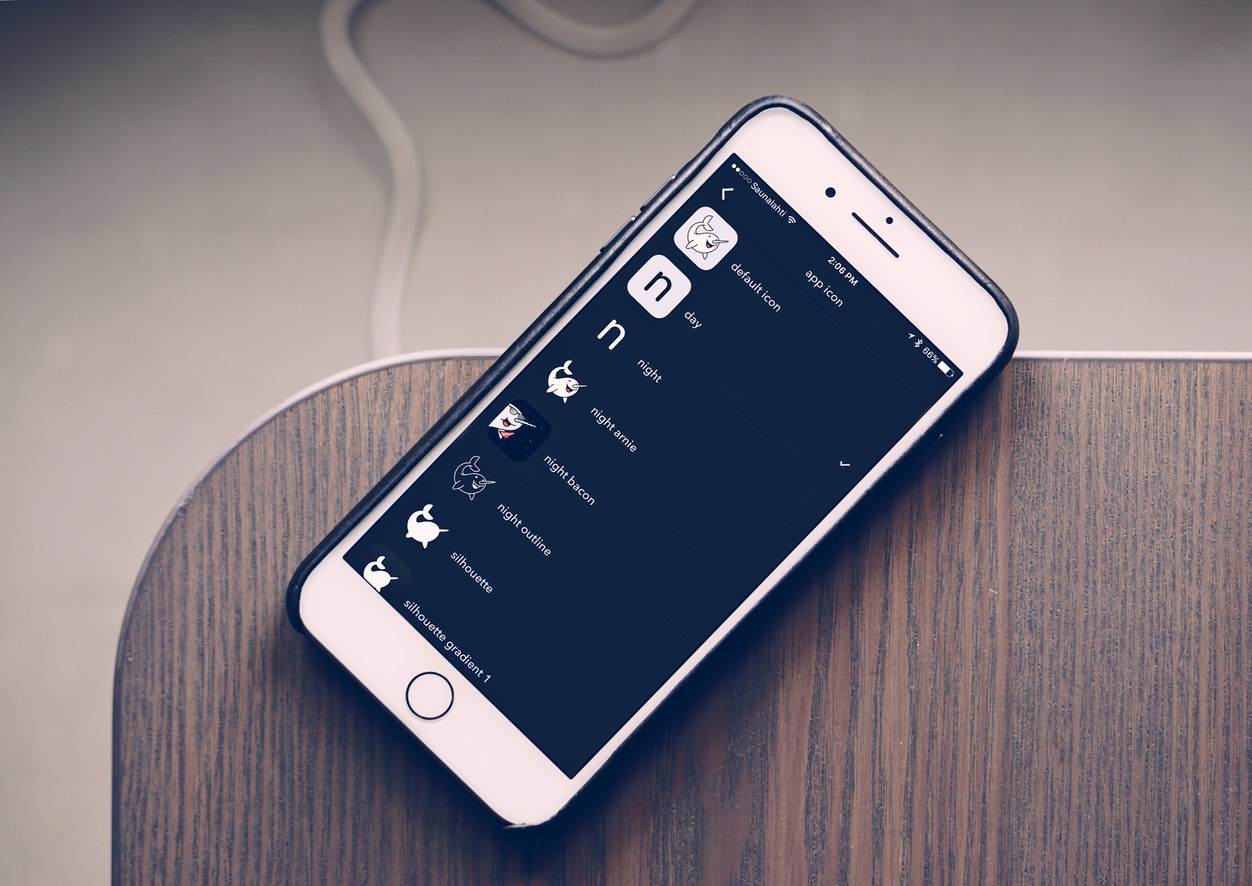
Die Reddit-App narwhal (universal; Laden) von Rick Harrison gehört zum ersten Schwung von App-Store-Anwendungen, die unter iOS 10.3 ein Bündel mit alternativen App-Icons anbieten.
Die Apps der MLB (universal; Laden) und NHL (universal; Laden) sind zwei weitere Kandidaten, bei denen man das generelle Homescreen-Icon gegen das Logo seines Lieblingsteams tauschen kann.
Da jeder App-Icon-Tausch vom Benutzer angestoßen beziehungsweise abgenickt werden muss, halte ich das Missbrauchspotenzial für gering und empfinde das Feature als eine insgesamt begrüssenswerte Individualisierung.
The fitness tracker company’s smartwatch project has been a troubled one. Production problems have forced Fitbit to push an original spring launch to this fall, according to two sources familiar with the matter.
The watch, according to the two sources familiar with the matter, will include a color display with 1,000 nits of brightness comparable to the Apple Watch Series 2. It will also sport a built-in GPS chip, heart-rate monitoring, the ability to make touchless payments, the ability to store and play music from Pandora (P), and four days of battery life between charges. All those features will be housed in an aluminum unibody design, which in true Fitbit fashion, will let users swap watch bands when it hits shelves later this year for around $300.
Gegenüber Yahoo Finance nannte eine der anonymen Quellen Fitbits neue Smartwatch „definitely not sexy”. Aber selbst wenn dem nicht so ist: Das Problem bleibt der vermutete Preis von 300 US-Dollar.
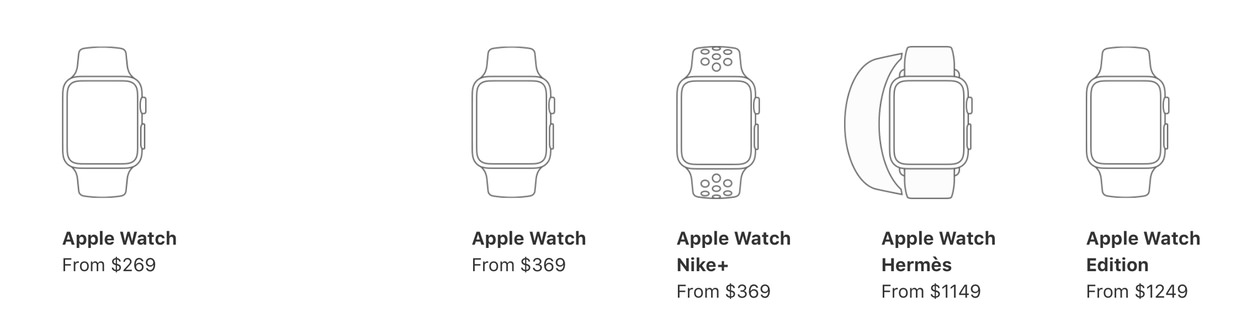
Apple verlangt für eine Series 1 in den USA derzeit $269. Große US-Einzelhändler verkaufen die erste Generation mit schnellerem Prozessor aber bereits für 199 US-Dollar. Ich halte es nicht für ausgeschlossen, dass Apple bald offiziell unter die magische Preisgrenze von 200 US-Dollar rutscht. Eventuell verbleibt dafür sogar die Series 1 noch ein weiteres Jahr im Verkauf.
Neu wäre diese aggressive Preisstrategie nicht: Der erste iPod mini (4GB) startete im Januar 2004 für 249 US-Dollar. Ein Jahr später war die zweite Generation für 199 US-Dollar (4GB) zu haben.
Das damalige Zitat von Steve Jobs lautete:
“The iPod mini is now available at the magic price point of $199,” said Steve Jobs, Apple’s CEO. “At this breakthrough price point, and with more than twice the battery life, the new iPod mini should appeal to even more music lovers.”
Sieben Monate später, im September 2005, löste der iPod nano (2GB / $199) den (extrem populären) iPod mini ab. Spätestens damit war klar: Apple pusht seinen digitalen Musikplayer in alle Preisregionen – genau wie sie es heute mit der Apple Watch machen.
Apple Watch Series 1 ist ein klarer Kampf um „market share“ und ganz anders positioniert als das iPhone und das iPad, die in ihren ersten Jahren nur ganz ausgewählte Preissegmente bedienen wollten.
“We no longer produce and sell digital cameras,” said a Samsung official on condition of anonymity. “But we will create a new camera product category to continue the business.” (…)
“Samsung lost its competitiveness in the entry segment with the robust growth of smartphone cameras,” said an industry source who declined to be named “Even when Japanese big names such as Canon and Nikon who have more than 100 years of history are struggling in the premium market, Samsung seems to have no option but to leave the market.”
Die Luft, die der Markt von ‚Point-and-Shoot‘-Kameras heute noch hat – zwischen den großen DSLRs auf der einen Seite und Smartphones auf der anderen, ist fast aufgebraucht. Ein Google Pixel, ein Samsung S8 oder das iPhone 7 (Plus) stecken jede Kompaktkamera bis 300Euro qualitativ in die Tasche.
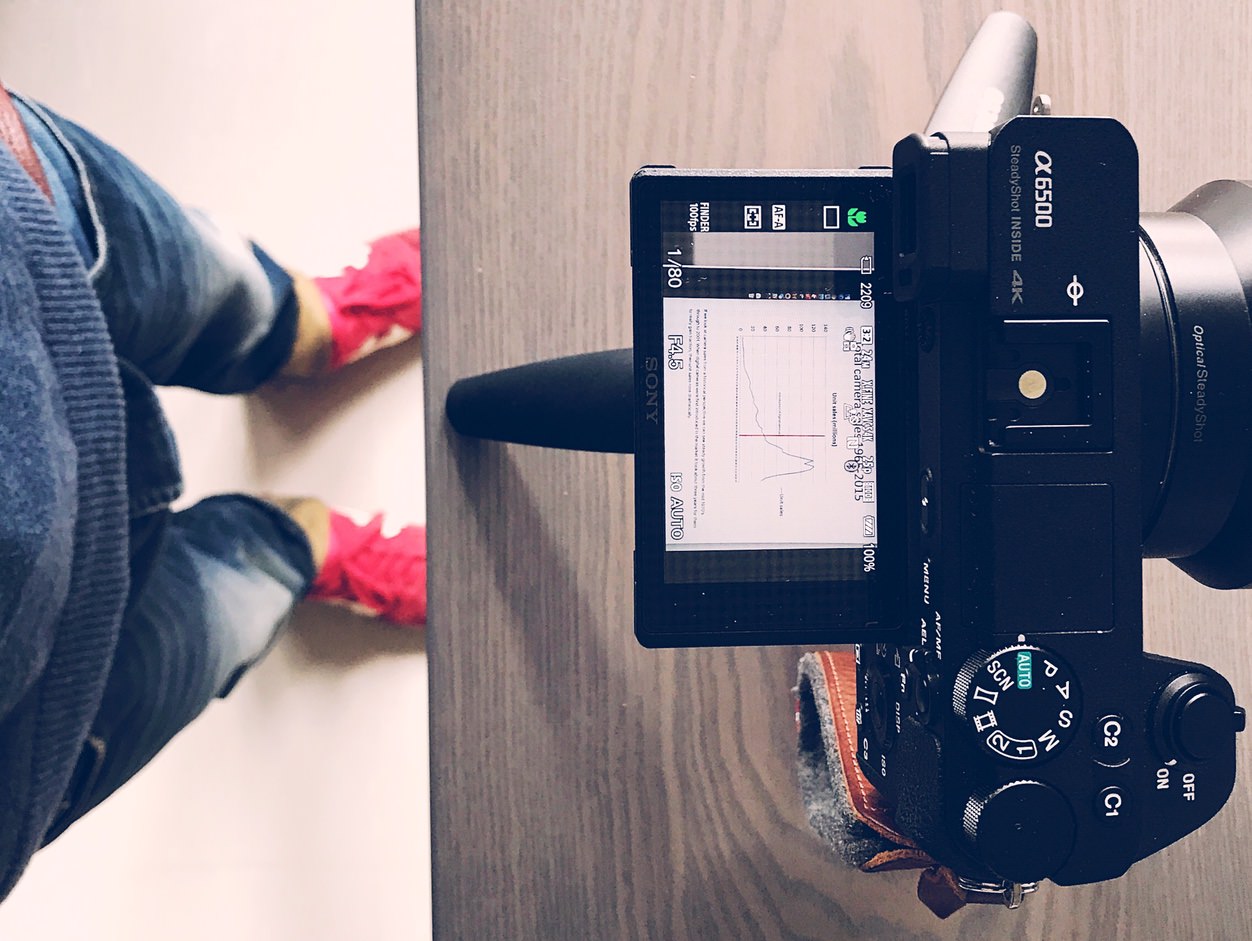
Zur Größeneinordnung: Im Jahr 2010 wurden weltweit 108 Millionen Kameras mit nicht wechselbaren Objektiven verkauft; im Jahr 2016 waren es noch 12 Millionen. Die Anzahl der DSLRs und spiegellosen Kameras fiel von 17 Millionen (2013) auf 11 Millionen (2016).
Der Markt für klassische Kameras wird weiter schrumpfen. Es ist davon auszugehen, dass die verbleibenden Hersteller sich zunehmend spezialisieren, um nicht weiter in Konkurrenz zu den Smartphones zu treten.