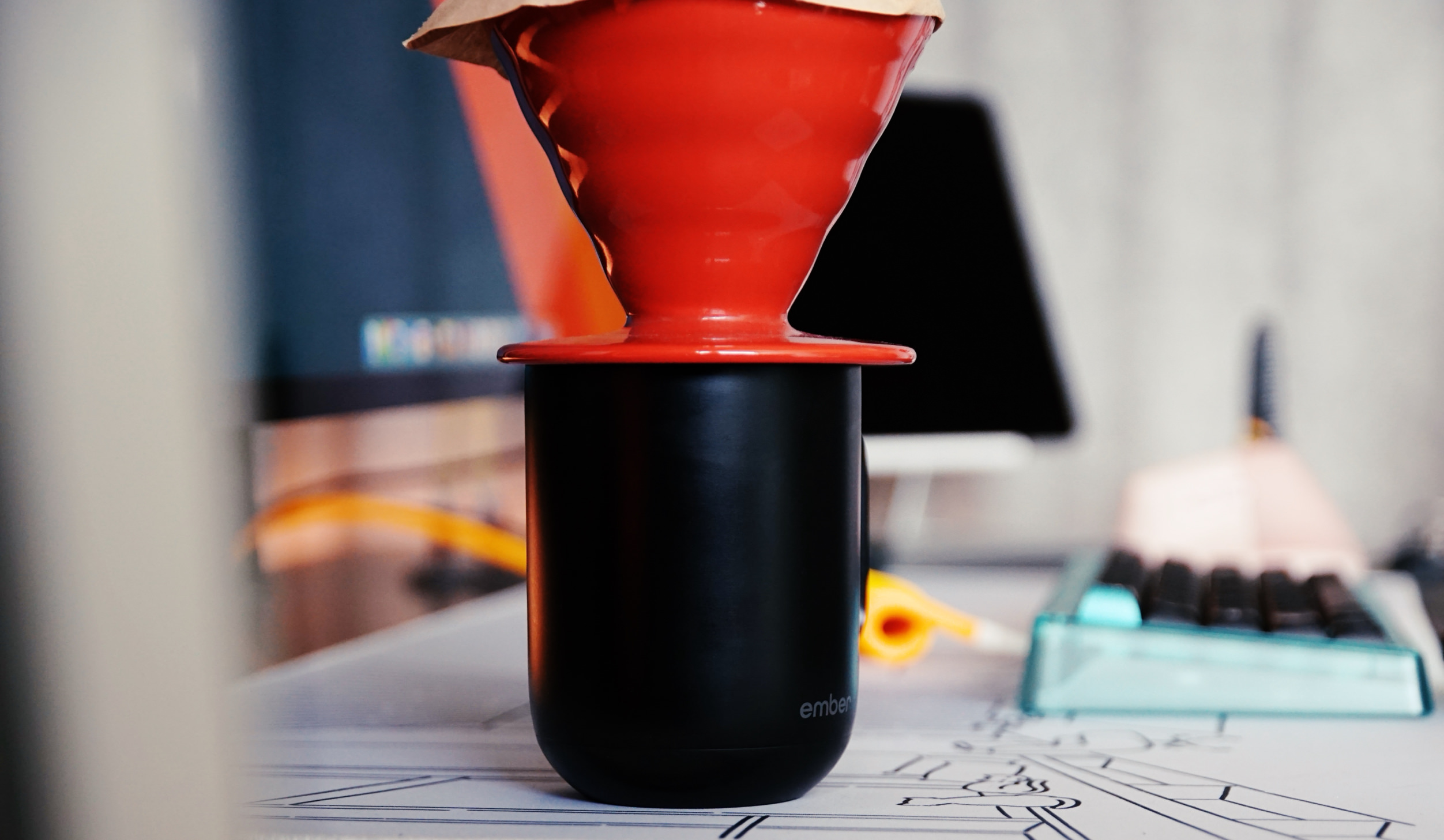
HomeGrind is the playful way to turn your home espresso setup into a full-blown coffee shop. Invite friends, family, and neighbors to order drinks from your custom menu, set open hours, and manage incoming orders like a pro. Whether you’re running a living room latte bar or an office espresso corner, HomeGrind makes it easy—and fun— to serve up good vibes and great coffee. Bonus: your customers can rate drinks and tip with emojis.
Man könnte fast meinen, Mike Coleman meint es ernst: Sein digitales Kaffee(zu)haus(e) erschien erst vor drei Wochen, erhielt aber bereits eine Handvoll an Updates.
Mit Milch und Zucker oder gefiltert: HomeGrind nimmt Bestellungen aus dem engen Familien- und Freundeskreis entgegen – ohne Gewerbeanmeldung, gegen Emoji-Bezahlung und nur an Personen, die gleichermaßen für die Hygienevorschriften verantwortlich sind.
Mit HomeGrind betreibt ihr kein Café, aber merkt euch als ambitionierter Barista spezifische Bestellungen und Sonderwünsche. Sprich: Spielereien, die Kaffee-Enthusiasten zu schätzen wissen.
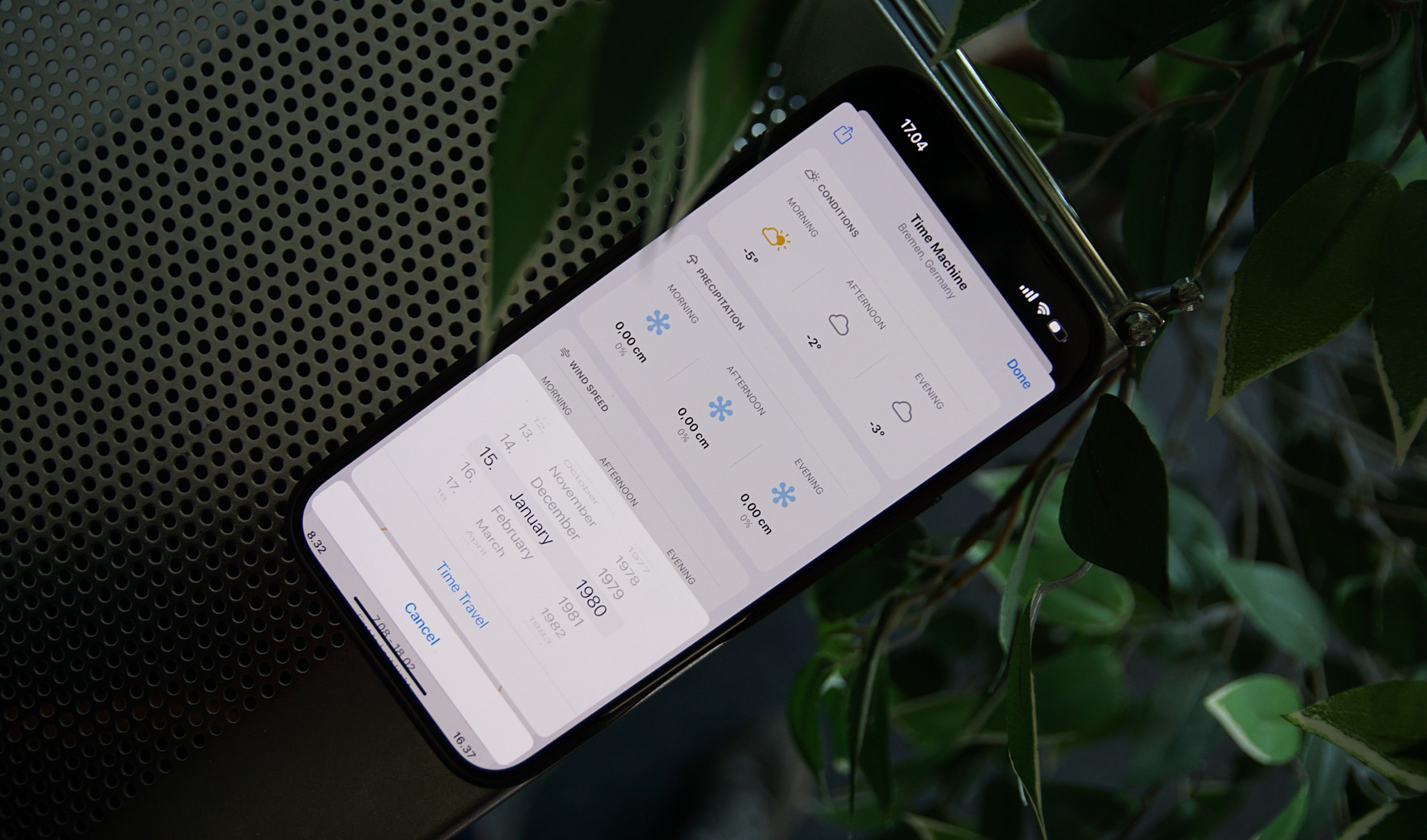
Diese Information schlägt man aus Neugier natürlich nur einmal nach. Das „Time Machine“-Feature von Carrot Weather, das den Blick zurück auf die Wetterdaten von einem ganz bestimmten Tag ermöglicht, empfinde ich jedoch für eine Reise- und Urlaubsplanung als kontinuierlich hilfreich.
Statt zu fragen: „Ist es im September noch warm in Helsinki? “ will ich wissen „War es im September in den Jahren 2024, 2023 und 2022 noch warm in Helsinki?“
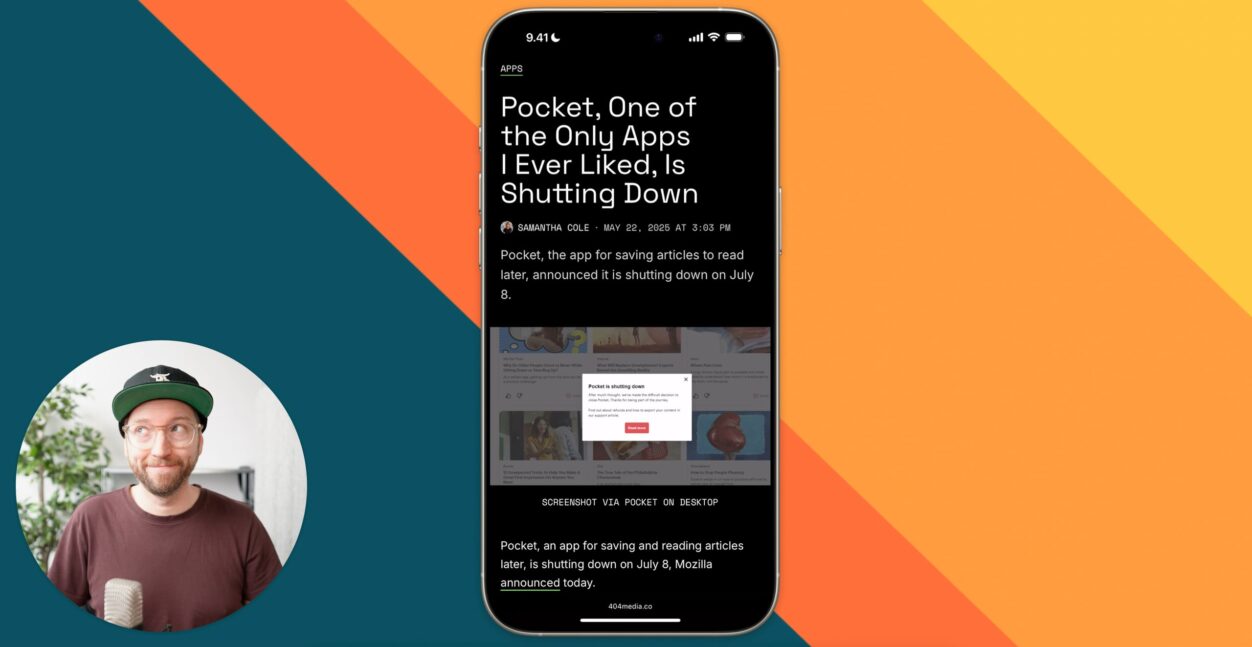
We’ve made the difficult decision to shut down Pocket on July 8, 2025. Thank you for being part of our journey over the years—we’re proud of the impact Pocket has had for our users and communities. […]
Pocket has helped millions save articles and discover stories worth reading. But the way people use the web has evolved, so we’re channeling our resources into projects that better match their browsing habits and online needs.
Pocket begleitete mich bereits, als es noch „Read it Later“ hieß. Es blieb über 18 Jahre immer Teil der Diskussion; auch in den ersten Jahren des iPads, als noch digitale Magazin-Träume geträumt wurden.
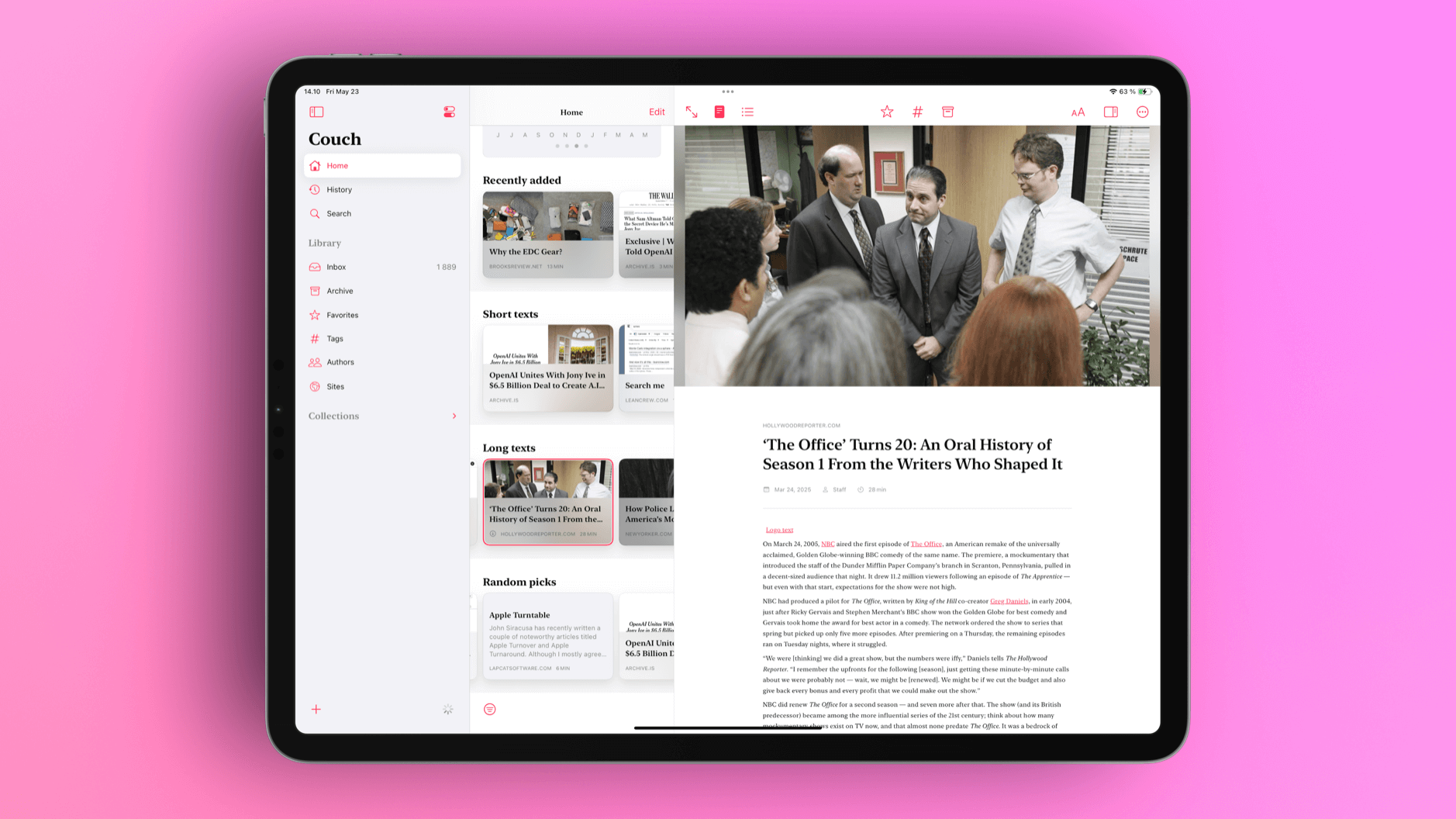
Nach der Übernahme durch Mozilla konnte Pocket zwar kaum noch mit den Funktionen moderner Text-zu-Sprache-Apps mithalten, blieb aber dank seiner offenen Architektur ein Verbundstück in meinem Workflow oder verwandelte sich mithilfe von Apps wie Couch in eine kuschelige Lesehöhle.
Ich rechne Mozilla diesen Service sehr hoch an, auch wenn ich nicht verstehe, wie es – wahrscheinlich aus finanziellen Gründen?! – nicht möglich war, ihn fürs freie Netz weiterzuführen.
Der App-Code mag inzwischen quelloffen sein; entscheidend war das Hosting für die uneingeschränkte Empfehlung.
Pocket war stets der kleinste gemeinsame Nenner. Mehr Social Bookmarking gibt es zuhauf, doch mit Pocket konnte man immer (als Empfehlung) starten. Was Firefox für Browser tut, war Pocket für Später-Lesen-Dienste.
Das Video war ein „vibes teaser“, bei dem wichtiger war was nicht gesagt wurde.
The word around hardware circles has been that Ive’s team has been hiring a lot of talented engineers, including experts in firmware and embedded systems. And if you watch the video, you can see Altman and Ive painstakingly avoided mentioning that they are building a phone. Altman gave the example of using ChatGPT by getting on a laptop and a web browser. “And I would hit enter, and I would wait, and I would get a response,” Altman quips. “And that is at the limit of what the current tool of a laptop can do.” Laptop in 2025? You are kidding me.
The only reason you don’t mention a device that is a default for most people — the smartphone — is because you are building one. Don’t be surprised if they launch a new phone — a reimagined phone — to compete with not only Apple, but with Google’s Android. It could come with headphones, glasses or other accessories that allow you to tap into ChatGPT without typing.
“We’ve been waiting for the next big thing for 20 years,” Mr. Altman, 40, added. “We want to bring people something beyond the legacy products we’ve been using for so long.”
Mr. Altman and Mr. Ive are effectively looking beyond an era of smartphones, which have been people’s signature personal device since the iPhone debuted in 2007. If the two men succeed — and it is a very big if — they could spur what is known as “ambient computing.”
Die Herausforderung bleibt, dass Kund:innen ihre Telefone, diese „legacy products“, lieben.
Ive und Altman arbeiten gleich an einer „family of devices“ – neuen Gerätekategorien, nach denen die gesamte Branche lechzt.
Ich würde mich jedoch nicht wundern, wenn wir den Formfaktor bereits kennen; traue aber den Alt-Apple-Angestellten eine bedeutende Differenzierung über Software zu.
Update:
Altman and Ive offered a few hints at the secret project they have been working on. The product will be capable of being fully aware of a user’s surroundings and life, will be unobtrusive, able to rest in one’s pocket or on one’s desk, and would be a third core device a person would put on their desk after a MacBook Pro and an iPhone.
The Wall Street Journal earlier reported that the device won’t be a phone, and that Ive and Altman’s intent is to help wean users off of screens. Altman said the device also isn’t a pair of glasses, and that Ive had been skeptical about building something to wear on the body. […]
The original plan was for Ive’s startup to build and sell its own device using OpenAI’s technology, but Altman said he eventually realized that wouldn’t work. Altman said he knew the two companies would have to be combined because the device wasn’t just an accessory but a central facet of the user relationship with OpenAI.
“We both got excited about the idea that, if you subscribed to ChatGPT, we should just mail you new computers, and you should use those,” Altman said.
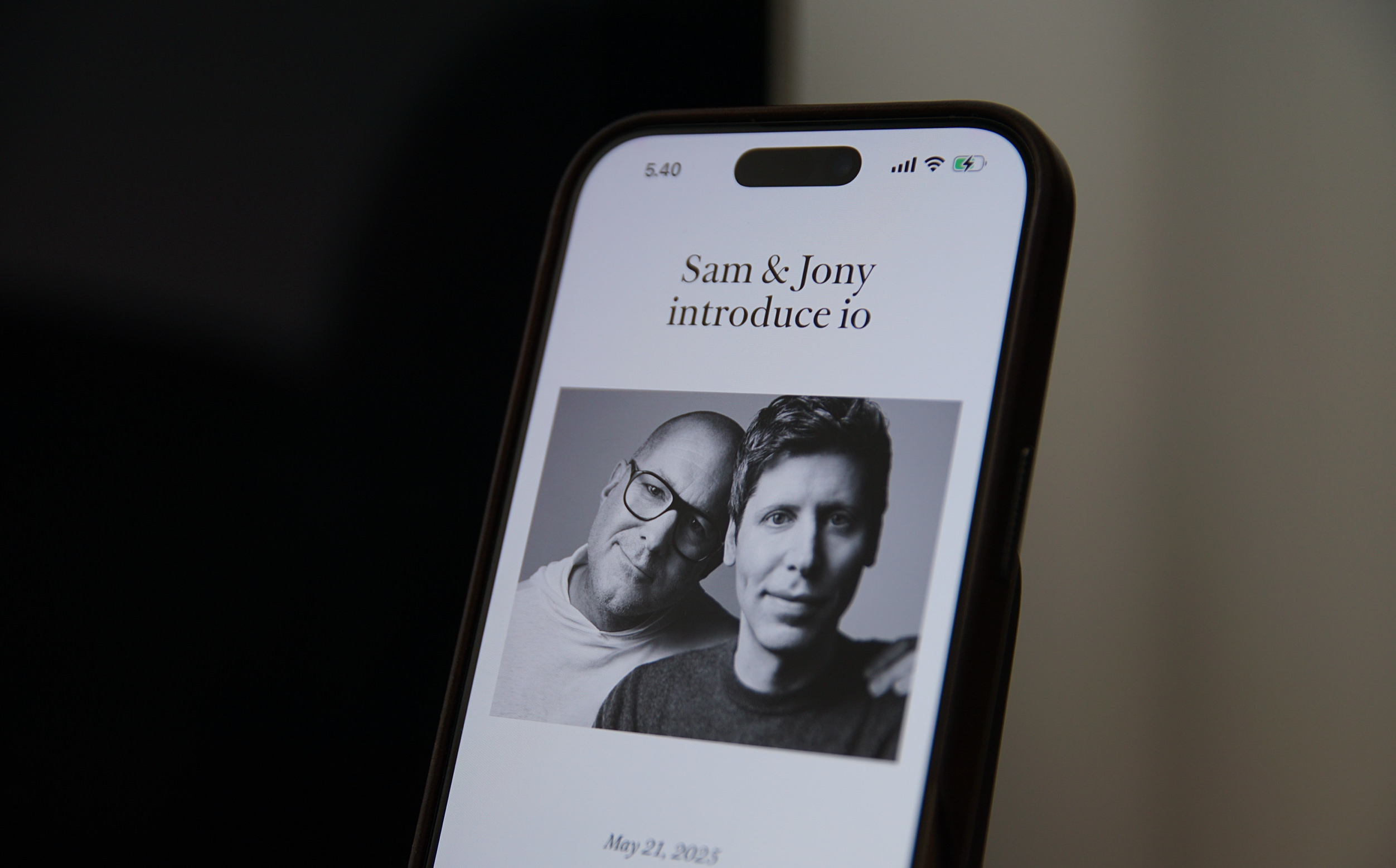
Es hätte kein Video benötigt, sondern nur dieses Foto, um den Hype auszulösen.
Bloomberg liefert eine Handvoll Details über das formelle Setup:
Hankey, who will become an OpenAI employee along with Tan and Cannon, said that ChatGPT’s debut prompted a realization that hardware technology would have to change. “A number of us looked at each other and said, ‘This is probably the most incredible technology of our career,’” she said in an interview.
While Ive and LoveFrom will remain independent, they will take over design for all of OpenAI, including its software. Altman said his first conversations with Ive weren’t about hardware, but rather about how to improve the interface of ChatGPT.
Die Leute sind böse über Trakt.tvs „upcoming VIP renewal pricing changes“ – richtig böse. Auch ich habe deshalb meine Prioritäten überdacht und mich gefragt: Welche Alternativen für das Tracking von Serien und Filmen existieren sonst noch?
Hier das Intro zur Episode:
iPhoneBlog #one kann man abonnieren. Alle Abonnent:innen bekommen jede Woche ein neues „Gewusst-wie”-Video, den Zugriff auf alle schon veröffentlichten Episoden und die Einladung zu einer ganz besonderen Community in einem privaten Slack-Kanal.
iPhoneBlog #one ist ausschließlich von Lesern und Leserinnen finanziert und unterstützt direkt das iPhoneBlog.