„Citymapper’s next stop? Launching a London bus“

There’s a joke that crops up whenever companies like Uber, Lyft, and BlaBlaCar talk about ridesharing. “’Shared mobility’? This already exists: it’s the bus,” says Citymapper founder and CEO Azmat Yusuf. “It’s sort of like Uberpool, but you put fifty people on it.”

While other tech startups have focused on cars, Citymapper has always prioritised public transport. The app, launched in 2012, suggests public transport routes – buses, metros, rail, and cycling – in 40 cities worldwide. But processing millions of journeys highlighted a problem: buses haven’t changed much since their first introduction in the 19th century. “All these other things are getting smarter and better, but why aren’t buses?” says Yusuf. So Citymapper is taking a somewhat surprising step: creating buses of its own.

Wired.com

In der anhaltenden Diskussion um selbstfahrende Autos, Tesla, Google, Apples ‚Project Titan‘ und Uber vergisst man gerne das es eigentlich gar nicht um Autos geht. Es geht um eine clevere und effiziente Beförderung. Es geht um die Entwicklung einer Intelligenz um von A nach B zu kommen – ohne Superstau, Millionen Verkehrstote und Metallbüchsen, die die meisten Zeit ungenutzt herumstehen. Es geht schlussendlich darum privates Auto-Eigentum durch Software überflüssig zu machen – gar nicht so unähnlich wie ein funktionierender öffentlicher Nahverkehr.
Apple senkt Affiliate-Provision für In-App-Verkäufe

We’d like to clarify some changes being made to the Affiliate Program. Commissions for all iOS in-app purchases will be reduced from 7% to 2.5% globally, and all other content types (including music, movies, books, paid iOS apps and TV) will remain at the current 7%.

https://affiliate.itunes.apple.com

Apple reduziert die Affiliate-Provision, die Entwickler und Webseiten mit Links in den App Store verdienen können, für In-App-Käufe (und nicht wie zuvor mitgeteilt auch für Vollpreis-Downloads).

Unterm Strich ändert das aber wenig an den tatsächlichen Kürzungen: Der Umsatz mit In-App-Verkäufen liegt inzwischen weit über den Einnahmen, die durch bezahlte App-Store-Downloads erzielt werden.

”That’s the standard now,“ says Olivier Bernard of app analytics firm App Annie. ”It’s: ‚Try our product and if you like it, please purchases from it. Our data shows 95 percent of worldwide revenues were from freemium apps in 2014 on iOS”

In-App Purchases: a mobile app developer’s key to ‚consumer lock-in‘

AppsFlyer, the leading global mobile marketing attribution analytics company, announced today the results of its State of In-App Spending report, with details from in-app purchase (IAP) behaviors of more than 100 million mobile app users across over 1,000 apps. The report reveals that Asian users spend 40% more on in-app purchases than the rest of the world, although North Americans spend the single highest amount — in shopping apps. In addition, the report shows that iOS users spend nearly 2.5 times as much as Android users — $1.08 to $0.43 in monthly IAP per user, per app. Not only do they spend more, but iOS users are about 50% more likely to spend any money in apps than Android users.

Further, the study finds that only 5.2% of users spend money on in-app purchases, but that the average paying user spends $9.60 in monthly transactions per app with purchase activity — more than 20 times the average spend of all users combined.

AppsFlyer study sheds light on in-app spending patterns of mobile users around the world

„Phil Schiller on App Store Upgrade Pricing“

Gadgets 360: With all the recent changes in the App Store, can developers expect to see upgrade pricing next?

Phill Schiller: The reason we haven’t done it is that it’s much more complex than people know, and that’s okay, it’s our job to think about complex problems, but the App Store has reached so many successful milestones without it because the business model makes sense to customers. And the upgrade model, which I know very well from my days of running many large software programmes, is a model from the shrink-wrapped software days that for some developers is still very important, for most, it’s not really a part of the future we are going.

I think for many developers, subscription model is a better way to, go than try to come up with a list of features, and different pricing for upgrade, versus for new customers. I am not saying it doesn’t have value for some developers but for most it doesn’t, so that’s the challenge. And if you look at the App Store it would take a lot of engineering to do that and so would be at the expense of other features we can deliver.

For example, the App Store has one price for an app, when you see it, you see if there’s a price on it, that’s the price. It doesn’t have multiple prices for multiple tiers of customers so to engineer that in, it’s not impossible, but a lot of work for a small segment of software that we hope for many of them, subscription pricing is a better model, the one where the customers are comfortable with. So we’ll keep talking to developers about what’s most important on their list, we want them to keep telling is if that (upgrade pricing) is high on the list or not, and we’ll keep an open mind to it, but it’s harder than people realise.

Gadgets 360

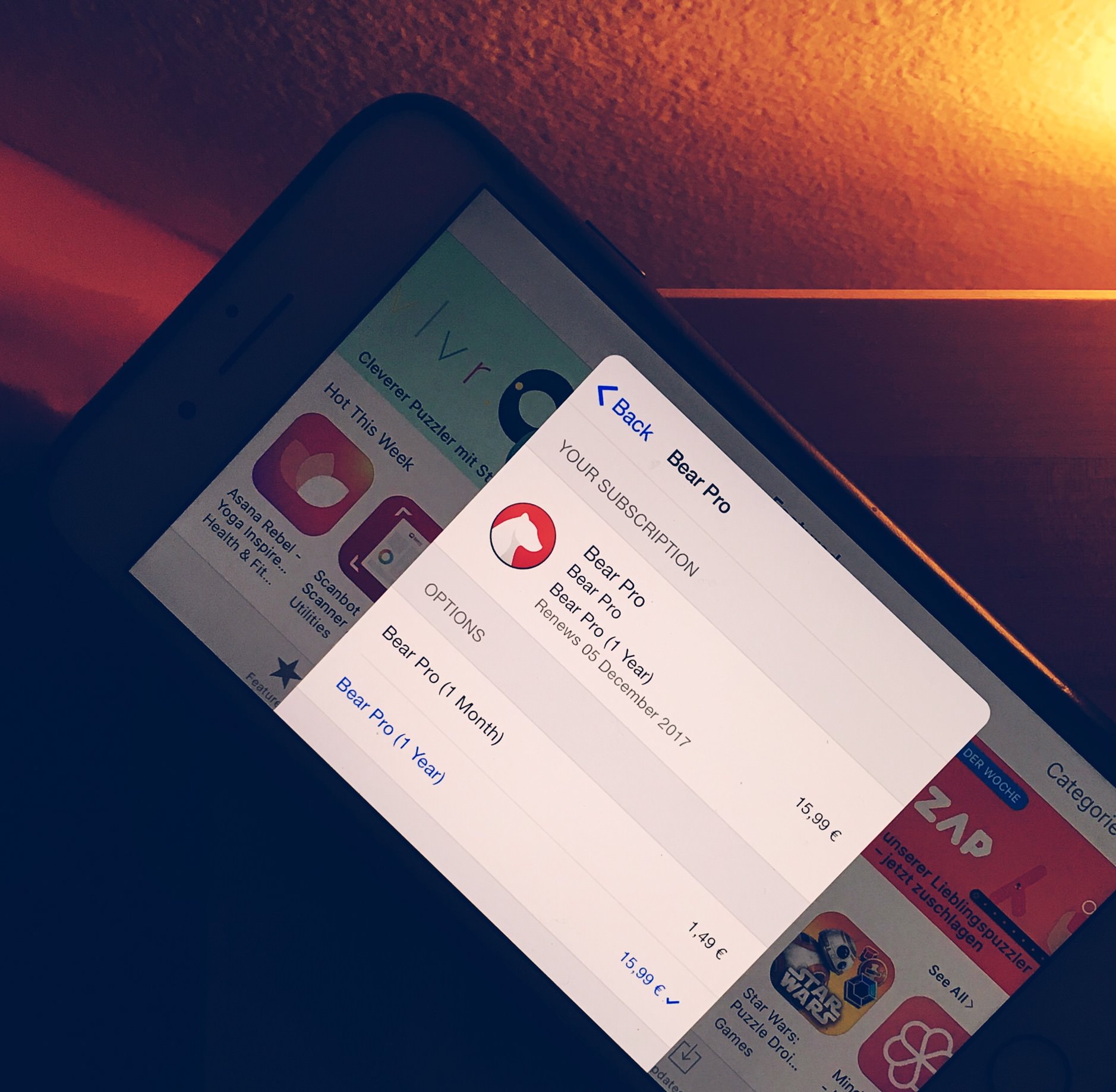
Ich finde es weiterhin überraschend, wie viel Hass den App-Abos entgegenschlägt. Zumindest wirkt der Missmut groß, wenn man das (Kommentar‑)Feedback auf das heute veröffentlichte Interview mit Schiller durchklickt.

Ob es tatsächlich so ist, oder ob das nur eine verschobene Wahrnehmung ist, kann Apple an den eigenen Zahlen ablesen. Für Adobe (Photoshop, Lightroom, etc.) und Microsoft (Office 365) scheint der Umstieg auf die Software-Miete geglückt. Selbst TextExpander von Smile ist nach einem holprigen Start inzwischen zufrieden als ‚Software as a Service‘-Company.

Ob wir irgendwann Upgrade-Preise im Mac-App-Store sehen, will ich nicht kategorisch ausschließen. Der Store scheint zumindest erfolglos genug um es dort einmal auszuprobieren. Für iPhone- und iPad-Software wird es aber keine klassischen Upgrade-Preise geben, wette ich.

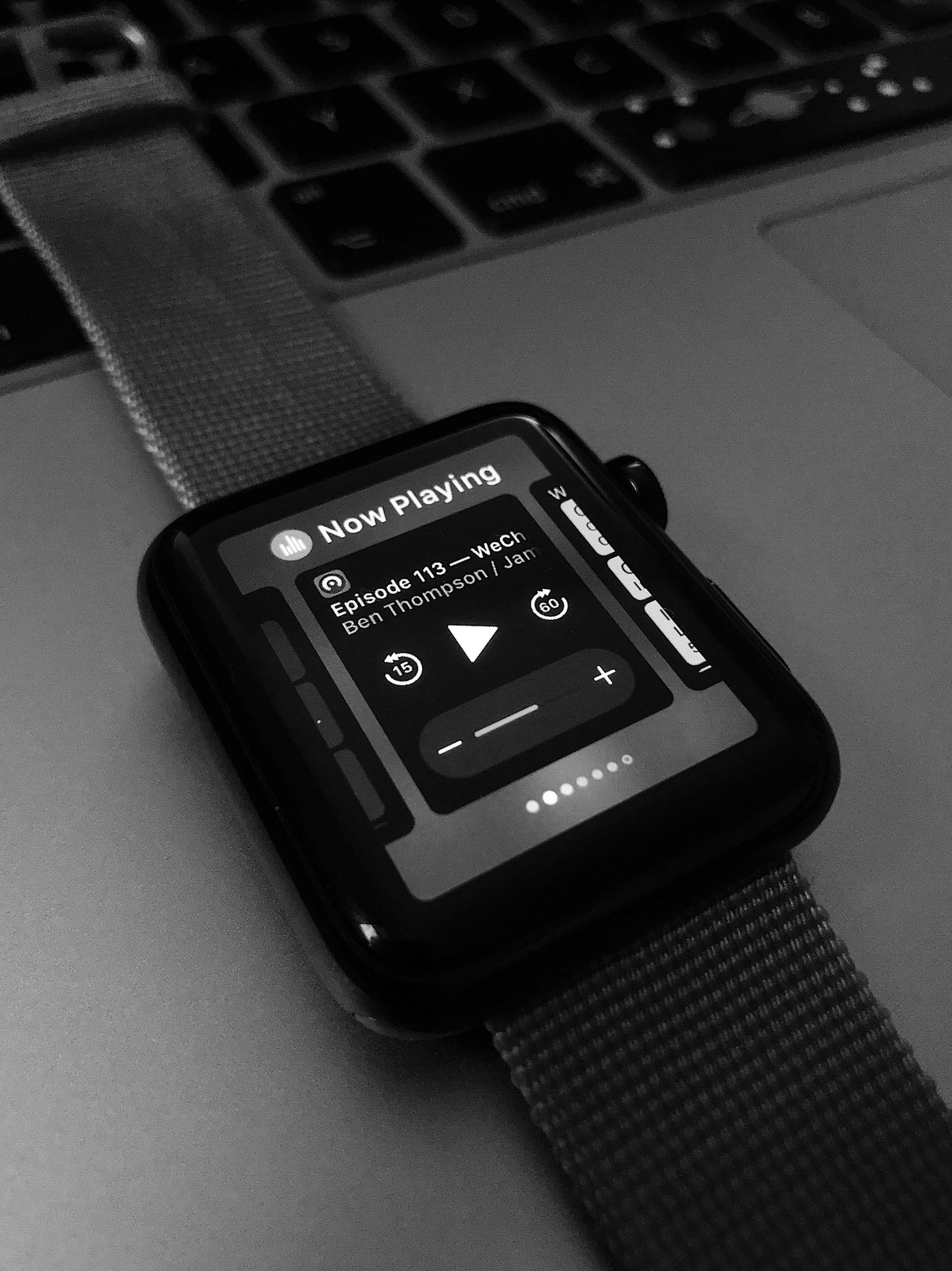
Exponent #113: WeChat, China, and Apple

Ben Thompson und James Allworth sprechen 60 Minuten über WeChat, Apples „Problem“ in China (Episode #113).

Noch detaillierter schrieb Connie Chan bereits vor zwei Jahren über die eine App, die dort alles kontrolliert.

The lightweight apps on WeChat are called “official accounts”. Approved by WeChat after a brief application process, there are well over 10 million of these official accounts on the platform — ranging from celebrities, banks, media outlets, and fashion brands to hospitals, drug stores, car manufacturers, internet startups, personal blogs, and more. It’s important to emphasize that these official accounts are nothing like verified accounts on U.S. social networks, where being “official” is mainly a badge of authenticity or identity verification. On WeChat, official accounts are approved to access exclusive APIs for payments, location, direct messages, voice messages, user IDs, and more.

When One App Rules Them All: The Case of WeChat and Mobile in China

(Inoffizielles) Comeback fürs iPhone 6

Apple hat die Neuauflage des 2014er-iPhones zurück in den deutschen Handel gebracht – allerdings nur über eine Elektronikmarktkette. Als billigeres Einstiegsmodell soll es neue Kundengruppen erschließen.

Das iPhone 6 ist wieder im deutschen Handel: Die MediaMarktSaturn-Gruppe vertreibt das ursprünglich 2014 eingeführte 4,7-Zoll-Modell über die eigenen Märkte in der neuen Version mit 32 GByte Speicherplatz. Der Preis beträgt knapp 450 Euro – und liegt damit 200 Euro unter dem iPhone 6s in gleicher Speicherkonfiguration, das Apple weiterhin selbst verkauft.

Leo Becker

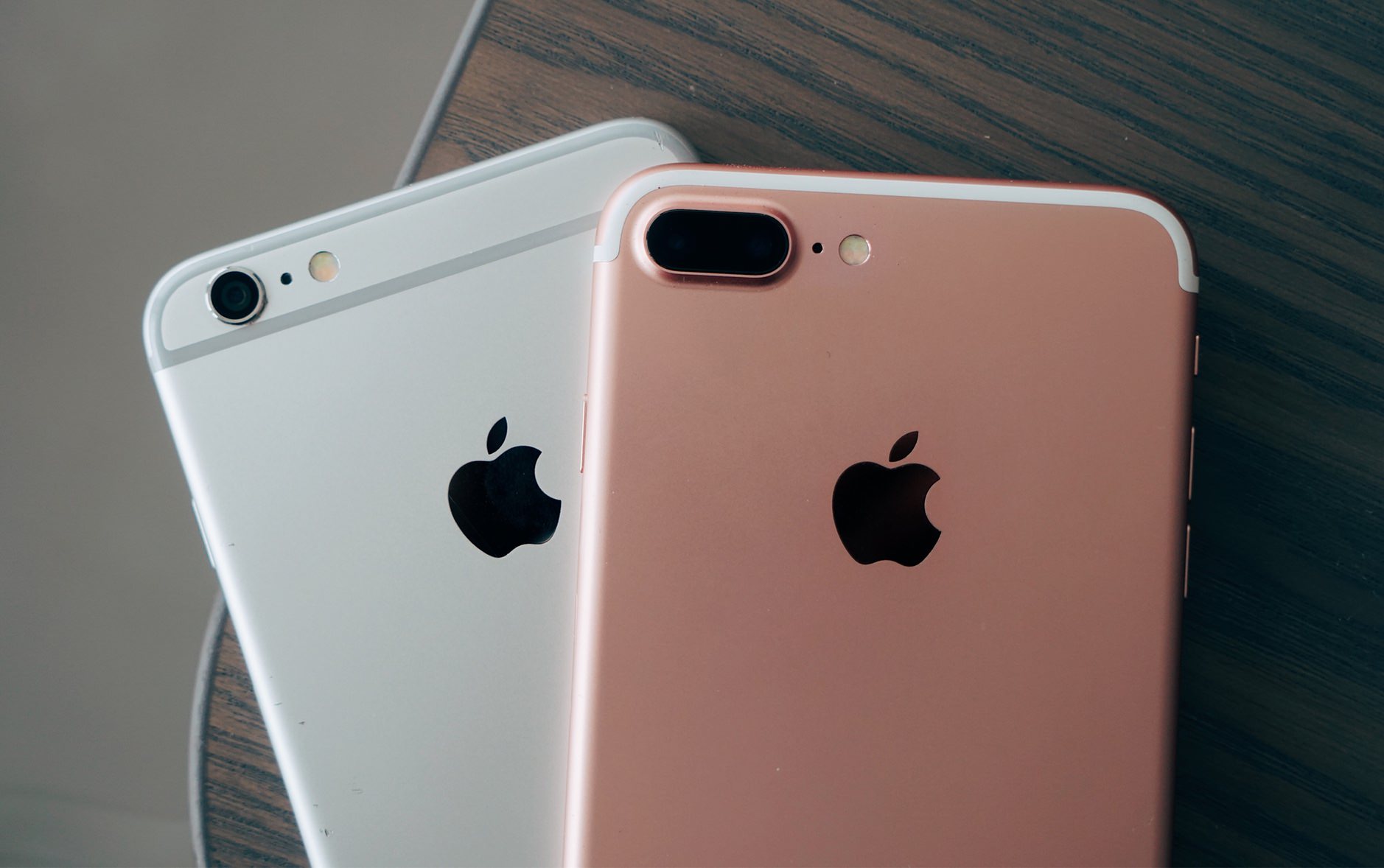
450 Euro ist der exakt halbe Verkaufspreis von einem iPhone 7 Plus. Für ein iPhone 7 zahlt man 300 Euro drauf.

Im direkten Vergleich – alle drei Geräte liegen vor mir – kann ich nicht mit gutem Gewissen zu dem 2014er-Modell raten. Der Sprung zwischen dem iPhone 6 Plus und dessen dritter Designausführung ist aus heutiger Sicht einfach zu groß.

Wer vor der Budget-Frage steht, sollte eher einen Blick aufs ebenfalls günstigere iPhone SE (16 GB / 333 Euro) werfen.

#052 – LiquidText

Wer regelmäßig mit Text arbeitet, sollte um LiquidText fürs iPad (Laden) wissen. Wer sich beruflich mit vielen Texten umgibt, sollte die Dokumenten-App mit Mind-Map-Funktionen mindestens ausprobiert haben.

Speziell Studenten, Journalisten, Juristen und Lektoren werden die mühelose Art digitale Dokumente zu bekritzeln, dort Textstellen herauszugreifen und untereinander zu verknüpfen, recht flott respektieren.

Hier die 30-Sekunden-Vorschau zur fünfminütigen Episode:


iPhoneBlog #one kann man abonnieren. Als Abonnent bekommt man jede Woche ein neues Video, den Zugriff auf alle schon veröffentlichten Episoden und die Einladung zur Diskussion in einem privaten Slack-Kanal. iPhoneBlog #one ist ausschließlich von Lesern und Leserinnen finanziert und unterstützt direkt das iPhoneBlog.

Alle Infos und die Möglichkeit dabei zu sein, findet ihr unter iPhoneBlog.one.

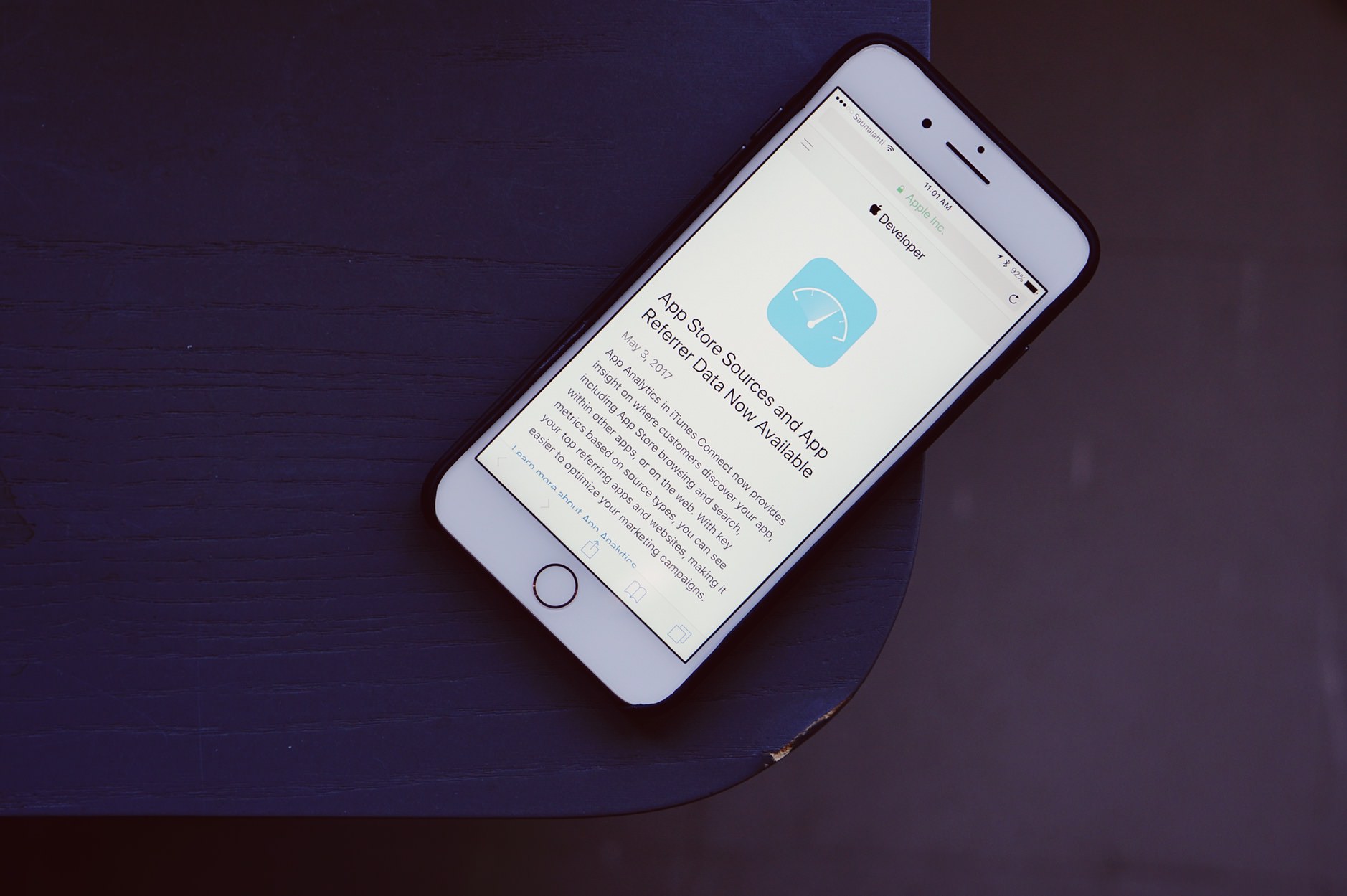
Wo wurde (m-)eine App gefunden? Mehr Einblick für App-Store-Entwickler.

Was lange währt…

App Analytics in iTunes Connect now provides insight on where customers discover your app, including App Store browsing and search, within other apps, or on the web. With key metrics based on source types, you can see your top referring apps and websites, making it easier to optimize your marketing campaigns.

developer.apple.com

…hat für Webseiten und Blogs, die über fantastische Apps schreiben, einen ordentlichen Beigeschmack.

„Uh oh, Chromebook… meet the new iPad.“

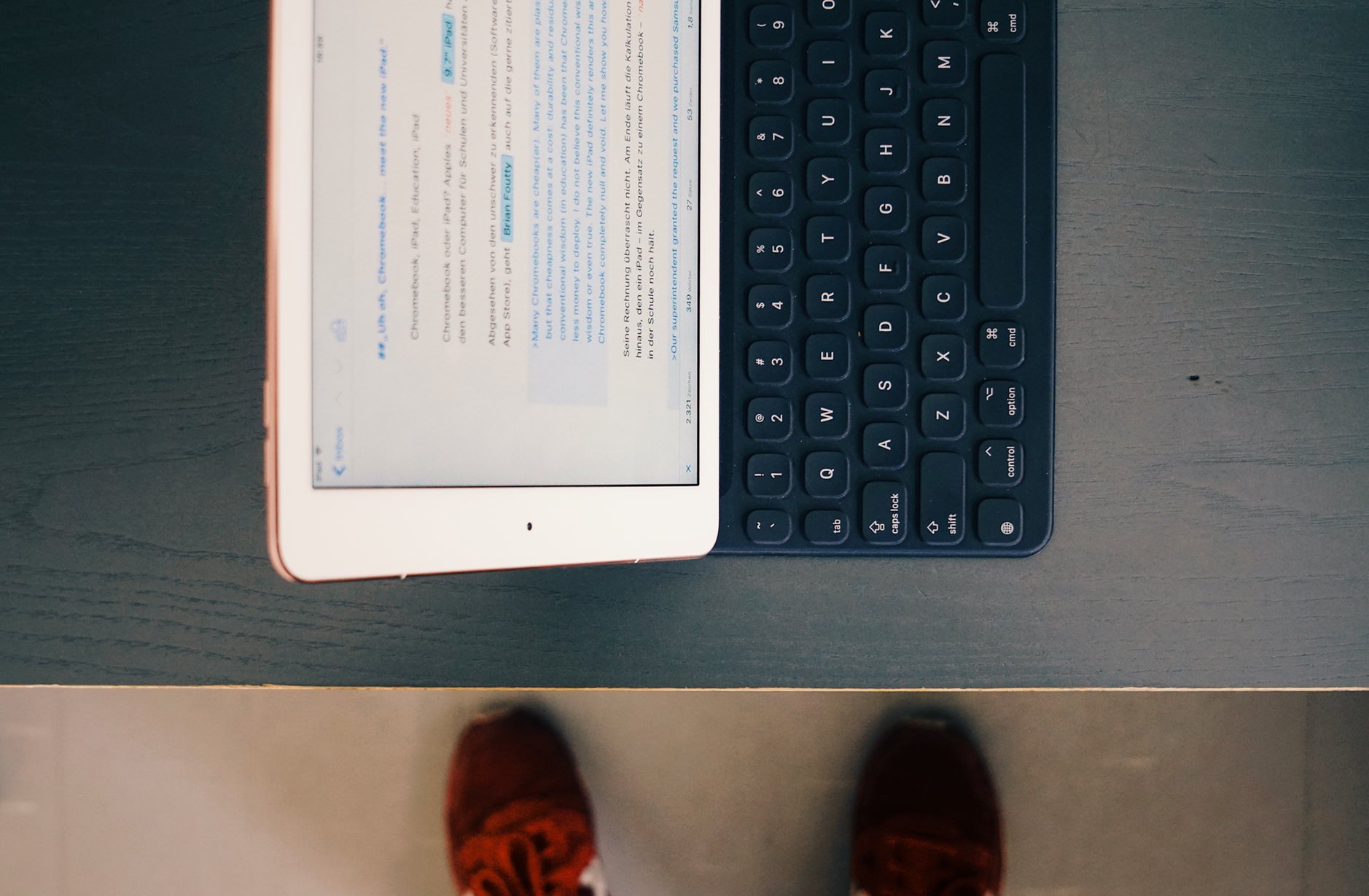
Chromebook oder iPad? Apples neues 9.7″ iPad hat die alte Diskussion um den besseren Computer für Schulen und Universitäten abermals belebt.

Abgesehen von den unschwer zu erkennenden (Software‑)Vorteilen (Browser vs. App Store), geht Brian Foutty auch auf die gerne zitierte Preisfrage ein.

Many Chromebooks are cheap(er). Many of them are plastic and not well made, but that cheapness comes at a cost: durability and residual value. The conventional wisdom (in education) has been that Chromebooks cost schools less money to deploy. I do not believe this conventional wisdom to be actual wisdom or even true. The new iPad definitely renders this argument for choosing Chromebook completely null and void. Let me show you how.

Seine Rechnung überrascht nicht. Am Ende läuft die Kalkulation auf den Restwert hinaus, den ein iPad – im Gegensatz zu einem Chromebook – nach dem Einsatz in der Schule noch hält.

Our superintendent granted the request and we purchased Samsung Chromebooks for $270. The company that purchased our iPads gave us a quote on the value of our Chromebooks. After three years of use, the Chromebook quote was $0. They had no residual value. This is the point that many school districts overlook when they are considering technology – residual value. iPad has residual value and can be sold at the end of a deployment. Chromebook does not have residual value.

Swift Teacher

Das iPhone zeichnen seit jeher ähnliche Kriterien aus. Es hält sich relativ preisstabil und ist deshalb am Ende einer Vertragslaufzeit – abhängig vom optischen Zustand und der Speichergröße – gewöhnlich noch mehr wert als andere Smartphones.

Und trotzdem ist ein höherer Preis, den ein iPad bei der Anschaffung kostet, nicht zu ignorieren. Entscheidungsträger in Bildungseinrichtungen investieren aus nachvollziehbaren Gründen nicht unbedingt rational, sondern entscheiden nach aktuellem Budget, verschiedenen Interessen und individuellen Präferenzen. Drei Jahre ist eine lange Laufzeit für Computer in (Teenager-)Händen, die wechselnden Klassen und Lehrkräften ausgesetzt sind.

Um deshalb auch gleich zum Kaufzeitpunkt finanzielle Anreize zu setzen (und sich weniger deutlich von Chromebooks unterbieten zu lassen), ist das neue 9.7″ iPad ein aggressiver Schritt.