„Phil Schiller on App Store Upgrade Pricing“
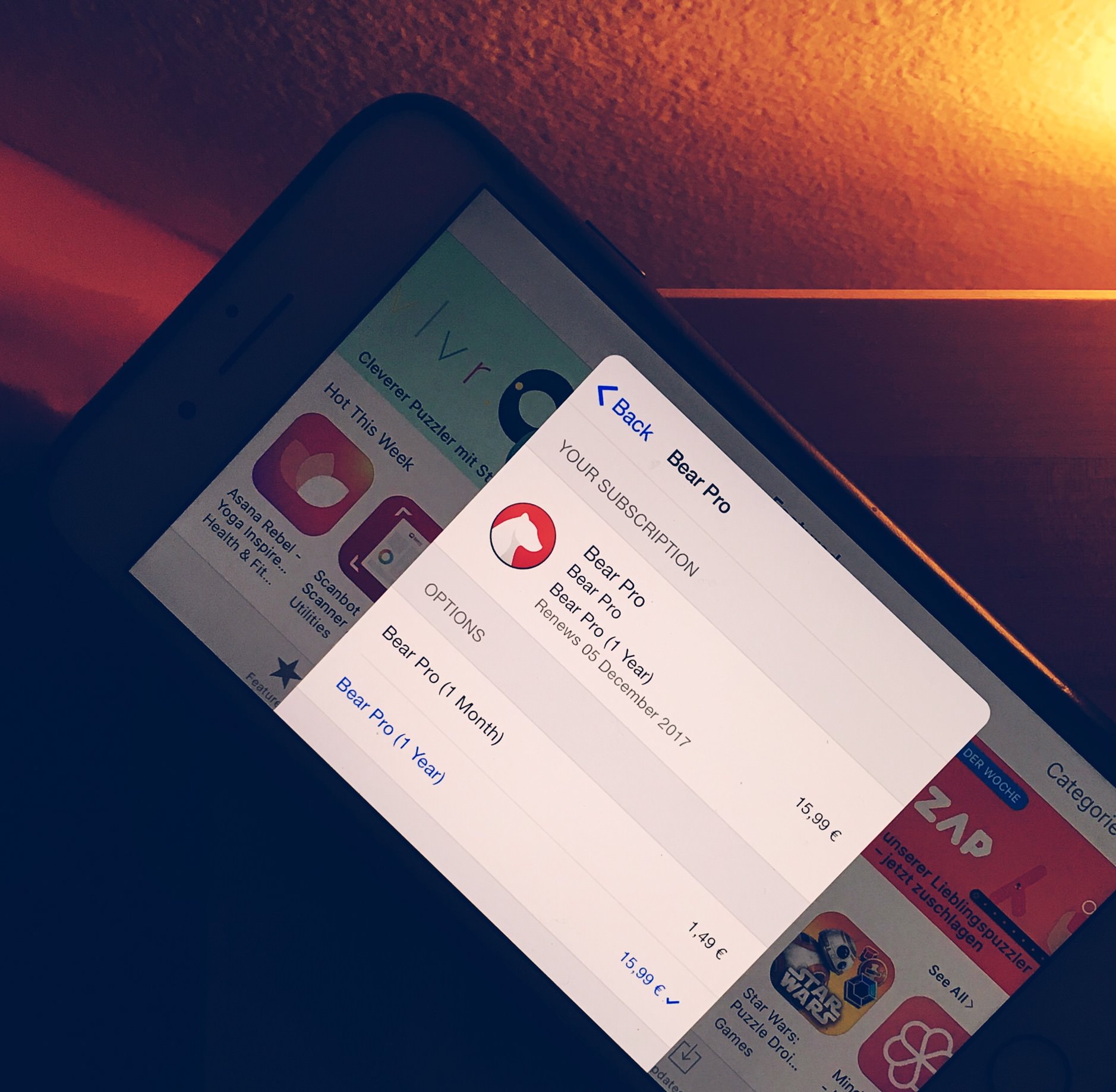
Gadgets 360: With all the recent changes in the App Store, can developers expect to see upgrade pricing next?

Phill Schiller: The reason we haven’t done it is that it’s much more complex than people know, and that’s okay, it’s our job to think about complex problems, but the App Store has reached so many successful milestones without it because the business model makes sense to customers. And the upgrade model, which I know very well from my days of running many large software programmes, is a model from the shrink-wrapped software days that for some developers is still very important, for most, it’s not really a part of the future we are going.

I think for many developers, subscription model is a better way to, go than try to come up with a list of features, and different pricing for upgrade, versus for new customers. I am not saying it doesn’t have value for some developers but for most it doesn’t, so that’s the challenge. And if you look at the App Store it would take a lot of engineering to do that and so would be at the expense of other features we can deliver.

For example, the App Store has one price for an app, when you see it, you see if there’s a price on it, that’s the price. It doesn’t have multiple prices for multiple tiers of customers so to engineer that in, it’s not impossible, but a lot of work for a small segment of software that we hope for many of them, subscription pricing is a better model, the one where the customers are comfortable with. So we’ll keep talking to developers about what’s most important on their list, we want them to keep telling is if that (upgrade pricing) is high on the list or not, and we’ll keep an open mind to it, but it’s harder than people realise.

Gadgets 360

Ich finde es weiterhin überraschend, wie viel Hass den App-Abos entgegenschlägt. Zumindest wirkt der Missmut groß, wenn man das (Kommentar‑)Feedback auf das heute veröffentlichte Interview mit Schiller durchklickt.

Ob es tatsächlich so ist, oder ob das nur eine verschobene Wahrnehmung ist, kann Apple an den eigenen Zahlen ablesen. Für Adobe (Photoshop, Lightroom, etc.) und Microsoft (Office 365) scheint der Umstieg auf die Software-Miete geglückt. Selbst TextExpander von Smile ist nach einem holprigen Start inzwischen zufrieden als ‚Software as a Service‘-Company.

Ob wir irgendwann Upgrade-Preise im Mac-App-Store sehen, will ich nicht kategorisch ausschließen. Der Store scheint zumindest erfolglos genug um es dort einmal auszuprobieren. Für iPhone- und iPad-Software wird es aber keine klassischen Upgrade-Preise geben, wette ich.
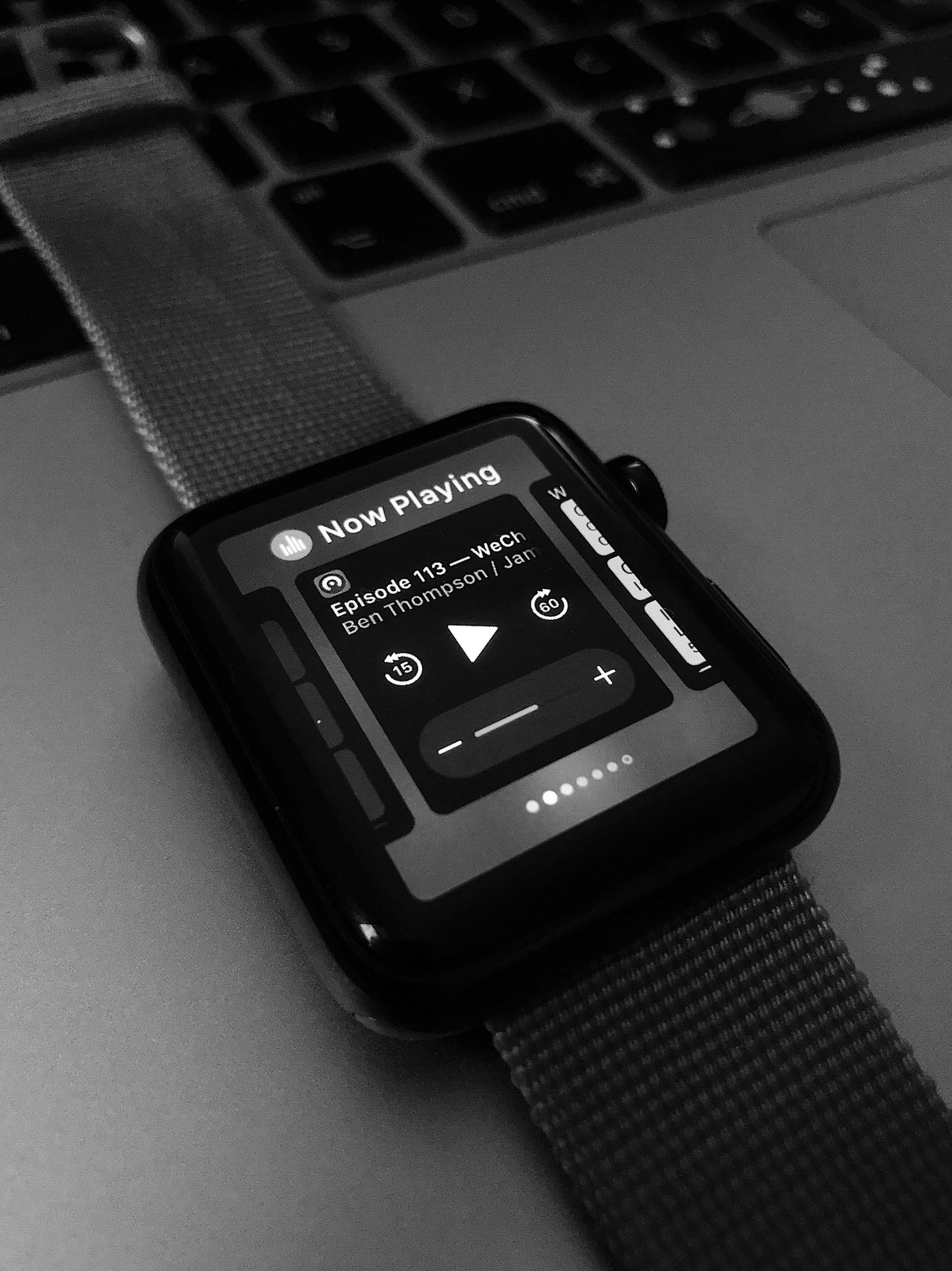
Exponent #113: WeChat, China, and Apple

Ben Thompson und James Allworth sprechen 60 Minuten über WeChat, Apples „Problem“ in China (Episode #113).

Noch detaillierter schrieb Connie Chan bereits vor zwei Jahren über die eine App, die dort alles kontrolliert.

The lightweight apps on WeChat are called “official accounts”. Approved by WeChat after a brief application process, there are well over 10 million of these official accounts on the platform — ranging from celebrities, banks, media outlets, and fashion brands to hospitals, drug stores, car manufacturers, internet startups, personal blogs, and more. It’s important to emphasize that these official accounts are nothing like verified accounts on U.S. social networks, where being “official” is mainly a badge of authenticity or identity verification. On WeChat, official accounts are approved to access exclusive APIs for payments, location, direct messages, voice messages, user IDs, and more.

When One App Rules Them All: The Case of WeChat and Mobile in China

(Inoffizielles) Comeback fürs iPhone 6

Apple hat die Neuauflage des 2014er-iPhones zurück in den deutschen Handel gebracht – allerdings nur über eine Elektronikmarktkette. Als billigeres Einstiegsmodell soll es neue Kundengruppen erschließen.

Das iPhone 6 ist wieder im deutschen Handel: Die MediaMarktSaturn-Gruppe vertreibt das ursprünglich 2014 eingeführte 4,7-Zoll-Modell über die eigenen Märkte in der neuen Version mit 32 GByte Speicherplatz. Der Preis beträgt knapp 450 Euro – und liegt damit 200 Euro unter dem iPhone 6s in gleicher Speicherkonfiguration, das Apple weiterhin selbst verkauft.

Leo Becker

450 Euro ist der exakt halbe Verkaufspreis von einem iPhone 7 Plus. Für ein iPhone 7 zahlt man 300 Euro drauf.

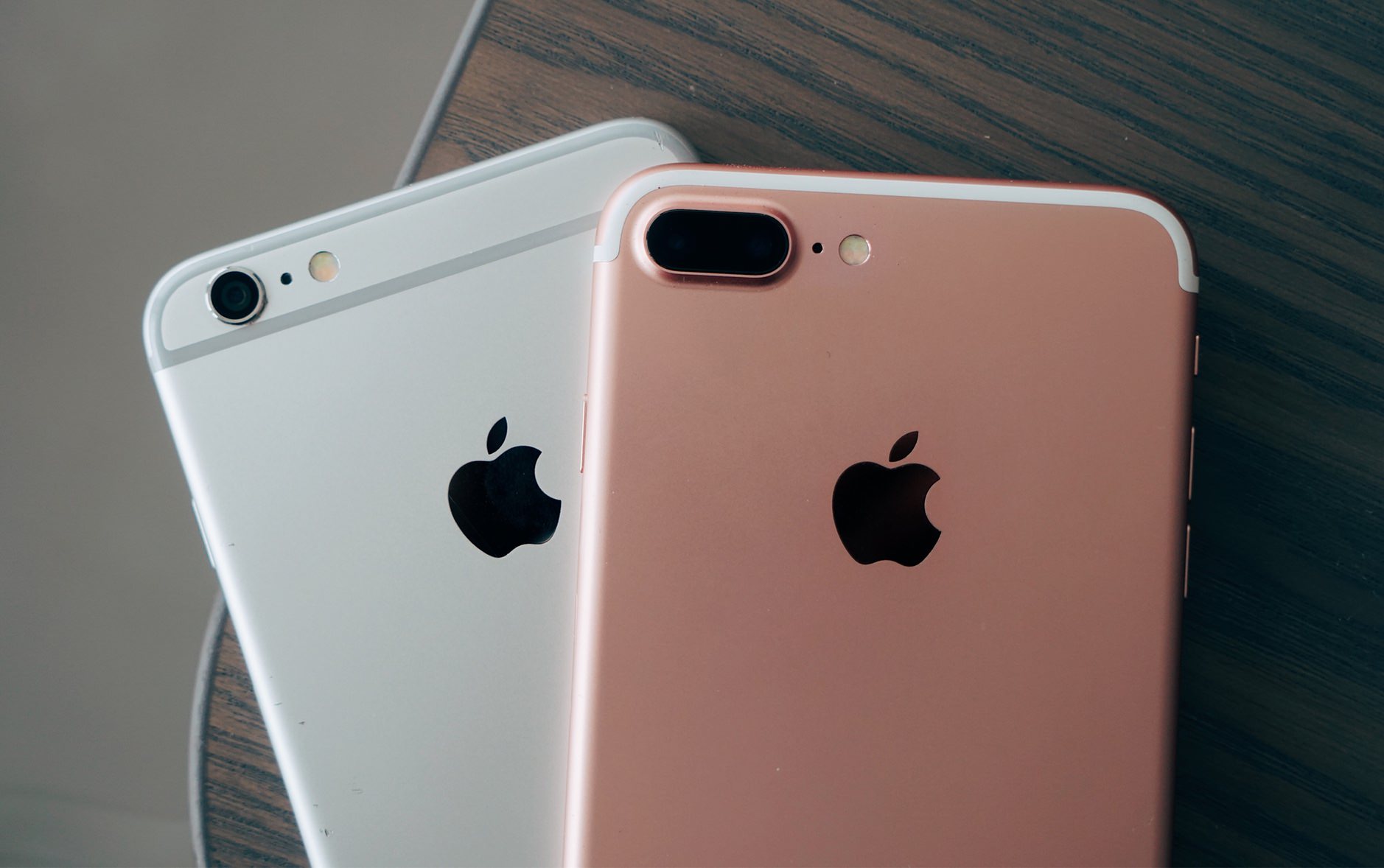
Im direkten Vergleich – alle drei Geräte liegen vor mir – kann ich nicht mit gutem Gewissen zu dem 2014er-Modell raten. Der Sprung zwischen dem iPhone 6 Plus und dessen dritter Designausführung ist aus heutiger Sicht einfach zu groß.

Wer vor der Budget-Frage steht, sollte eher einen Blick aufs ebenfalls günstigere iPhone SE (16 GB / 333 Euro) werfen.

#052 – LiquidText

Wer regelmäßig mit Text arbeitet, sollte um LiquidText fürs iPad (Laden) wissen. Wer sich beruflich mit vielen Texten umgibt, sollte die Dokumenten-App mit Mind-Map-Funktionen mindestens ausprobiert haben.

Speziell Studenten, Journalisten, Juristen und Lektoren werden die mühelose Art digitale Dokumente zu bekritzeln, dort Textstellen herauszugreifen und untereinander zu verknüpfen, recht flott respektieren.

Hier die 30-Sekunden-Vorschau zur fünfminütigen Episode:


iPhoneBlog #one kann man abonnieren. Als Abonnent bekommt man jede Woche ein neues Video, den Zugriff auf alle schon veröffentlichten Episoden und die Einladung zur Diskussion in einem privaten Slack-Kanal. iPhoneBlog #one ist ausschließlich von Lesern und Leserinnen finanziert und unterstützt direkt das iPhoneBlog.

Alle Infos und die Möglichkeit dabei zu sein, findet ihr unter iPhoneBlog.one.

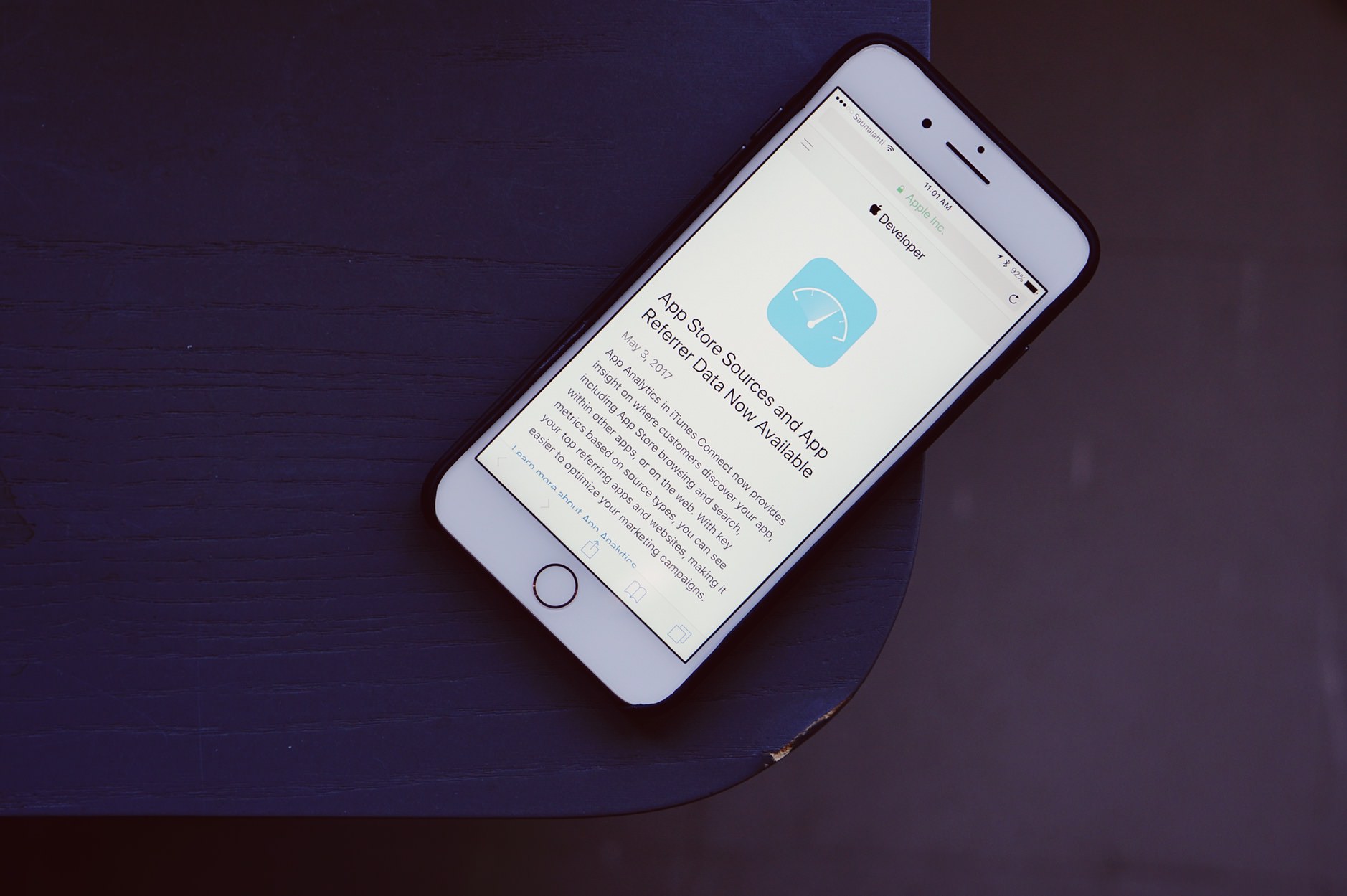
Wo wurde (m-)eine App gefunden? Mehr Einblick für App-Store-Entwickler.

Was lange währt…

App Analytics in iTunes Connect now provides insight on where customers discover your app, including App Store browsing and search, within other apps, or on the web. With key metrics based on source types, you can see your top referring apps and websites, making it easier to optimize your marketing campaigns.

developer.apple.com

…hat für Webseiten und Blogs, die über fantastische Apps schreiben, einen ordentlichen Beigeschmack.

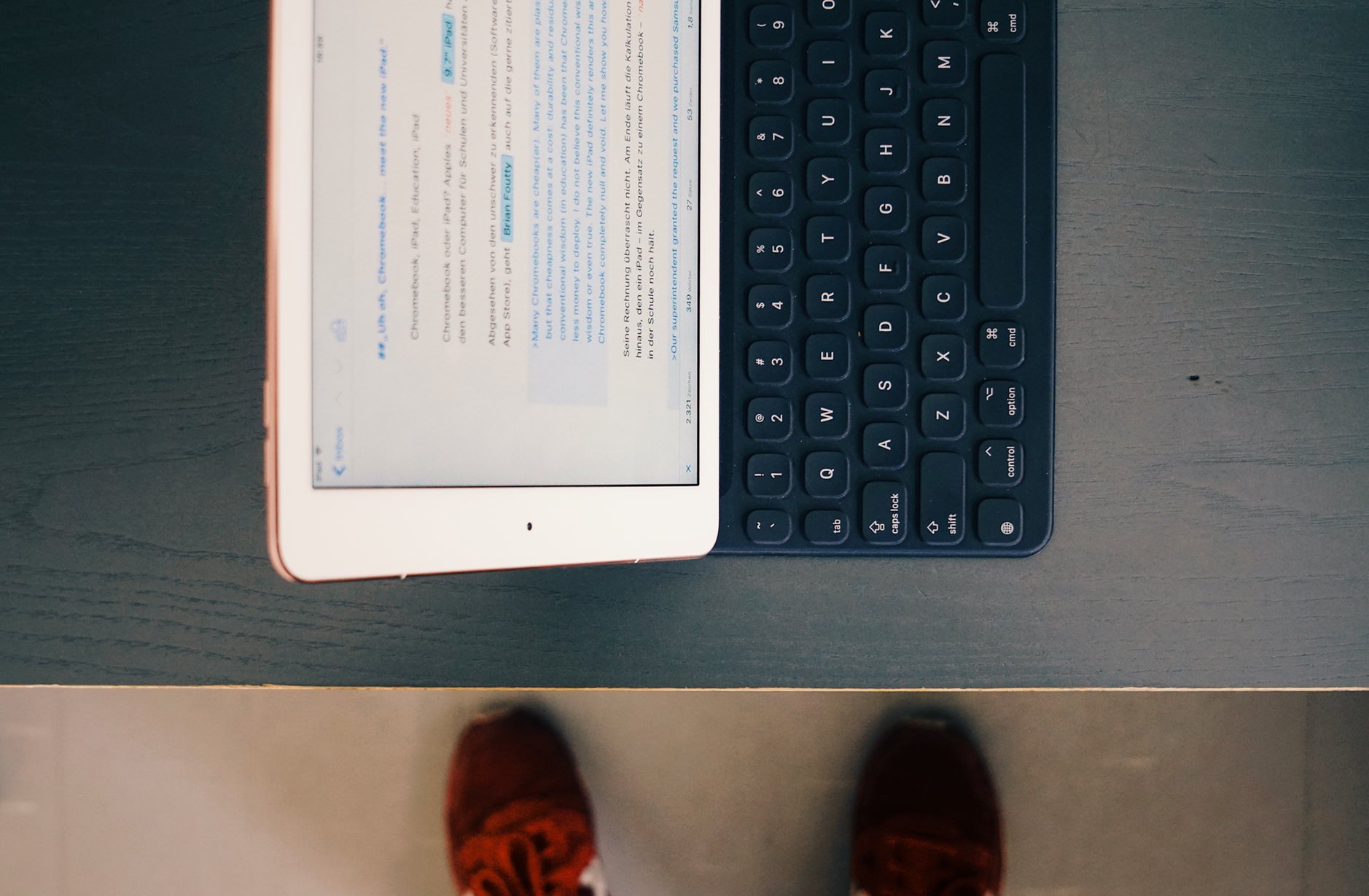
„Uh oh, Chromebook… meet the new iPad.“

Chromebook oder iPad? Apples neues 9.7″ iPad hat die alte Diskussion um den besseren Computer für Schulen und Universitäten abermals belebt.

Abgesehen von den unschwer zu erkennenden (Software‑)Vorteilen (Browser vs. App Store), geht Brian Foutty auch auf die gerne zitierte Preisfrage ein.

Many Chromebooks are cheap(er). Many of them are plastic and not well made, but that cheapness comes at a cost: durability and residual value. The conventional wisdom (in education) has been that Chromebooks cost schools less money to deploy. I do not believe this conventional wisdom to be actual wisdom or even true. The new iPad definitely renders this argument for choosing Chromebook completely null and void. Let me show you how.

Seine Rechnung überrascht nicht. Am Ende läuft die Kalkulation auf den Restwert hinaus, den ein iPad – im Gegensatz zu einem Chromebook – nach dem Einsatz in der Schule noch hält.

Our superintendent granted the request and we purchased Samsung Chromebooks for $270. The company that purchased our iPads gave us a quote on the value of our Chromebooks. After three years of use, the Chromebook quote was $0. They had no residual value. This is the point that many school districts overlook when they are considering technology – residual value. iPad has residual value and can be sold at the end of a deployment. Chromebook does not have residual value.

Swift Teacher

Das iPhone zeichnen seit jeher ähnliche Kriterien aus. Es hält sich relativ preisstabil und ist deshalb am Ende einer Vertragslaufzeit – abhängig vom optischen Zustand und der Speichergröße – gewöhnlich noch mehr wert als andere Smartphones.

Und trotzdem ist ein höherer Preis, den ein iPad bei der Anschaffung kostet, nicht zu ignorieren. Entscheidungsträger in Bildungseinrichtungen investieren aus nachvollziehbaren Gründen nicht unbedingt rational, sondern entscheiden nach aktuellem Budget, verschiedenen Interessen und individuellen Präferenzen. Drei Jahre ist eine lange Laufzeit für Computer in (Teenager-)Händen, die wechselnden Klassen und Lehrkräften ausgesetzt sind.

Um deshalb auch gleich zum Kaufzeitpunkt finanzielle Anreize zu setzen (und sich weniger deutlich von Chromebooks unterbieten zu lassen), ist das neue 9.7″ iPad ein aggressiver Schritt.

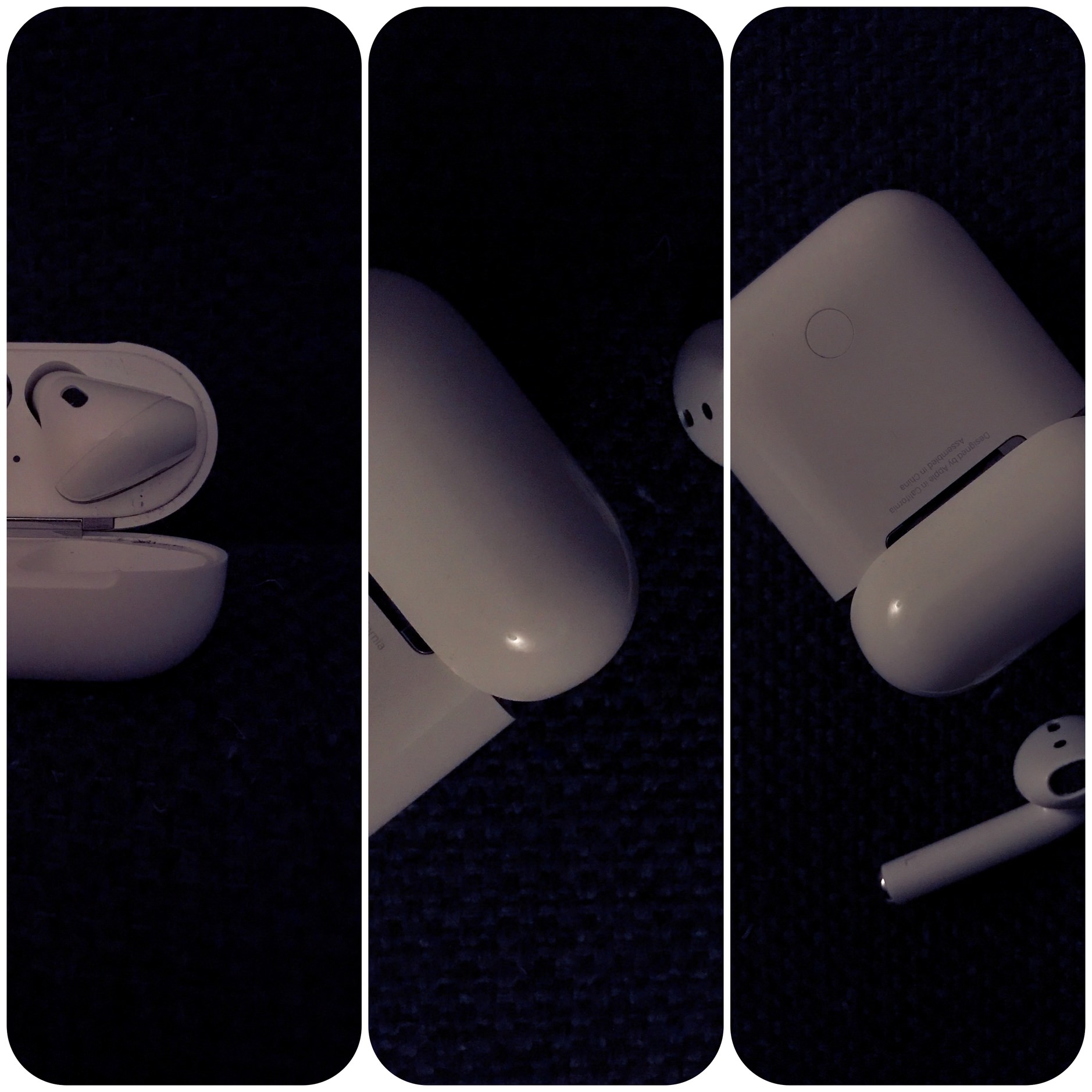
„Apple’s AirPods: a Hit With 98% Customer Satisfaction“

The big story is customer satisfaction with AirPods is extremely high. 98% of AirPod owners said they were very satisfied or satisfied. Remarkably, 82% said they were very satisfied. The overall customer satisfaction level of 98% sets the record for the highest level of satisfaction for a new product from Apple. When the iPhone came out in 2007, it held a 92% customer satisfaction level, iPad in 2010 had 92%, and Apple Watch in 2015 had 97%.

While the overall satisfaction number is remarkable, a second question we asked of these owners stood out even more. We used a standard benchmark question called a Net Promoter Score, which ranks a consumer’s willingness to recommend the product to others. This ranking is on a scale of 0 to 10 with 10 being extremely likely to recommend and 0 being not likely at all to recommend. It was this number that surprised me. Apple’s Net Promoter Score for AirPods came back as 75. To put that into context, the iPhone’s NPS number is 72. Product and NPS specialists will tell you anything above 50 is excellent and anything above 70 is world class. According to Survey Monkey’s Global Benchmark of over 105,000 organizations who have tested their NPS, the average is an NPS of 39.

Ben Bajarin

Die AirPods waren Teil der Geschichte des (klinken-losen) iPhone 7. Apple positionierte die komplett kabellosen Kopfhörer in seiner letzten iPhone-Keynote direkt im Anschluss an die neue Kamera (und zeitlich vor die Präsentation des Prozessors). Apple wusste bereits damals, was für ein Ass sie mit den AirPods im Ärmel hatten.

Dass die neuen Kopfhörer dann aber erst kurz vor Weihnachten aufschlugen, und selbst heute nur mit einer Lieferzeit von sechs Wochen zu bestellen sind, ist rückblickend einer der tatsächlich legitimen Kritikpunkte, der direkt aufs iPhone zurückfällt.

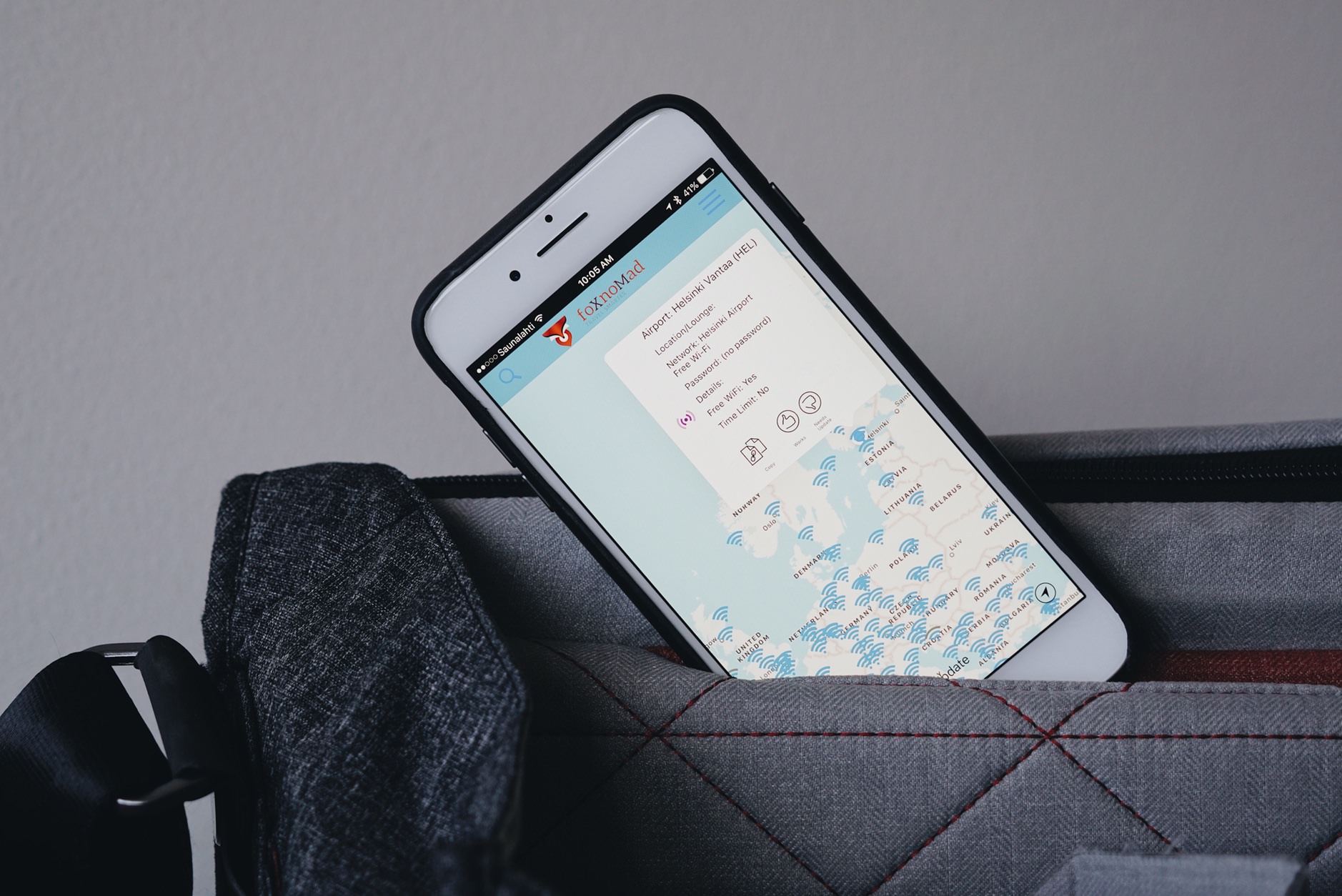
WiFox findet Gratis-WiFi an Flughäfen

Freies WiFi in Kaffeehäusern, Hotels und öffentlichen Einrichtungen ist leider immer noch keine Selbstverständlichkeit; viel zu selten wird Internet als Basisdienstleistung – so wie Wasser und Strom – behandelt. In Deutschland fehlt obendrein eine garantierte Rechtssicherheit für Betreiber von offenen WiFi-Netzen. Das ist blamabel.

Speziell für (Flug-)Reisen in andere Länder hilft bei Ankunft und Abflug ein kostenloser und unkomplizierter Netzzugang um sich schnell zu orientieren. Das WiFox-Projekt von Anil Polat crowdsourced deshalb WiFi-Netze an Flughäfen – plus ihre Passwörter. Die Karte mit allen notwendigen Login-Informationen gibt es online und als iOS-App (universal; 1.99 ).