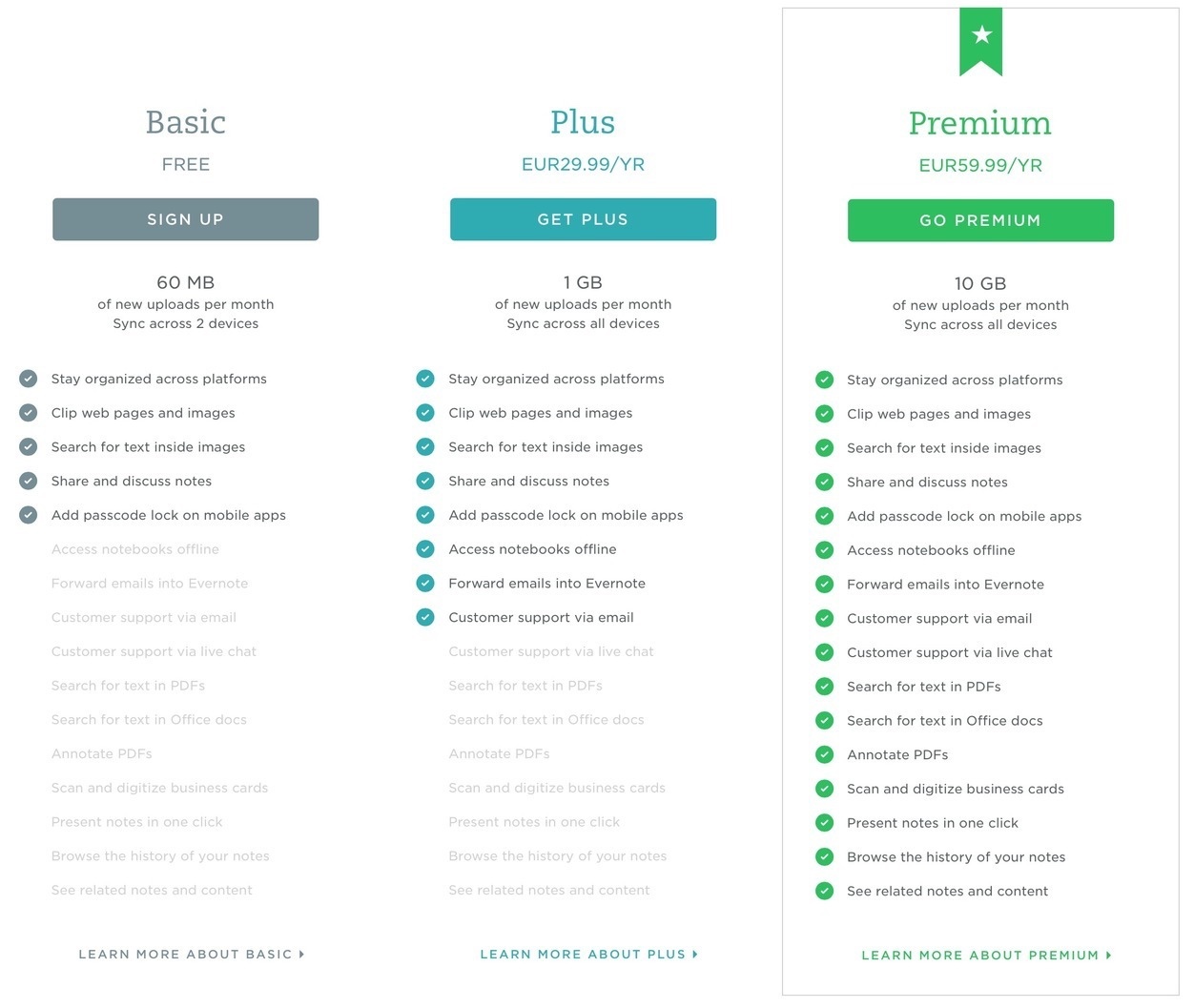
We don’t take any change to our pricing model lightly, and we never take you for granted. Our goal is to continue improving Evernote for the long-term, investing in our core products to make them more powerful and intuitive while also delivering often-requested new features. But that requires a significant investment of energy, time, and money. We’re asking those people who get the most value from Evernote to help us make that investment and, in return, to reap the benefits that result.
Evernote isn’t a vast corporation, and note-taking isn’t a sideline for us. It’s what we do, and we strive to do it better than anyone else. We hope you’ll continue to capture your thoughts and develop your ideas with us.
Evernote war ein Vorzeigekind fürs Freemium-Modell – „cash-flow positiv“ trotz einer breiten Basis von nicht-zahlenden Kunden. Die jetzige Preiserhöhung um zirka 40% hat zwei Probleme: Sie zieht kostenlosen Nutzern Features ab und bringt den Plus- und Premium-Abonnenten keine neuen Funktionen. Das ist kein gutes Zeichen.
Ich habe Evernote vor zirka zwei Jahren aufgegeben. Meine Web-Clippings verwaltet seitdem Pinboard.in, Notizen vertraue ich Apple Notes an und meine (PDF-)Dateiablage findet in Dropbox statt.
Evernote ist per se kein schlechter Dienst. Das Momentum, das der Service ohne viele Mitbewerber und mit seinen (damals) guten iPhone- und iPad-Apps in den Jahren 2011 bis 2013 jedoch hatte, wurde nie ausgebaut. Evernote hat sich nie unverzichtbar gemacht.
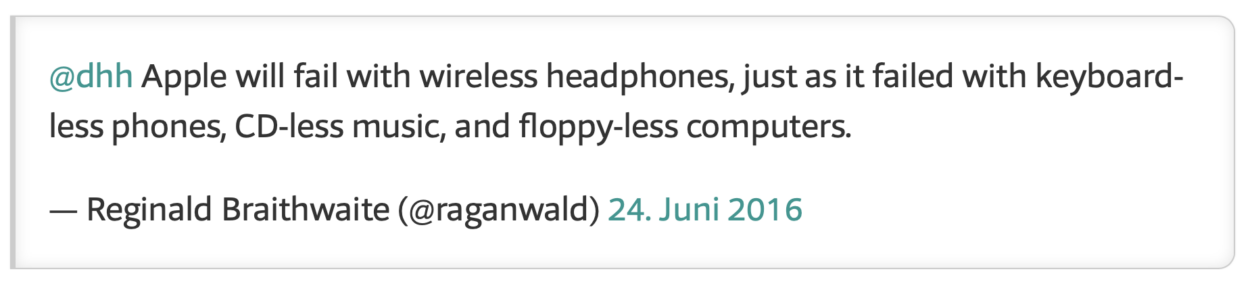
This is how it goes. If it weren’t for Apple we’d probably still be using computers with VGA and serial ports. The essence of Apple is that they make design decisions “no one asked for”.
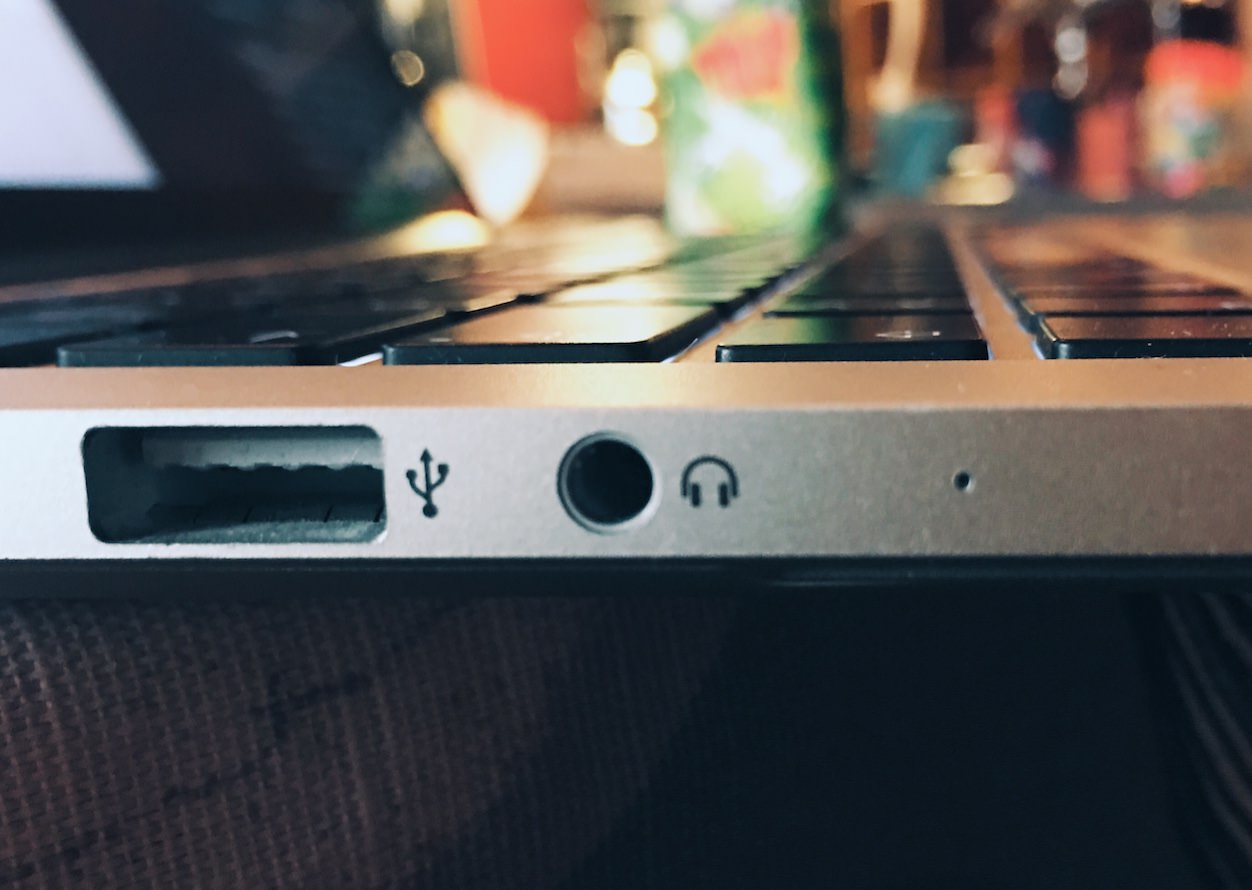
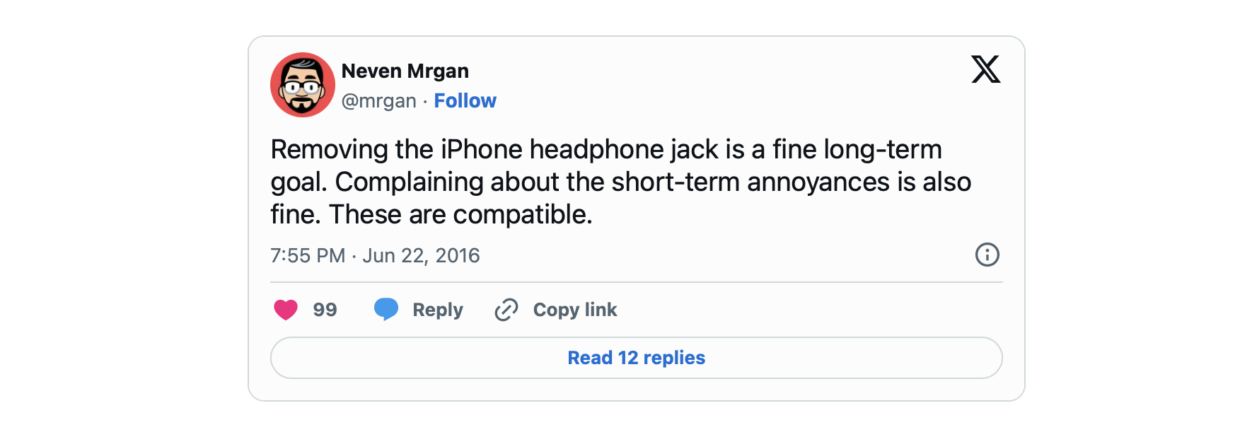
People will not buy into Lightning headphones, they will put up with it. This transition will be painful and difficult because of just how thoroughly entrenched the current solution is, how little the new solution offers, and how many complications it adds for customers. Nilay is correct, it is user-hostile, and it is stupid.
Die gesamte Diskussion ist dominiert von der Frage ums richtige Kabel. Klinke, Lightning oder doch USB-C? Schon heute steht aber fest: Die Zukunft ist kabellos.
Die Adaption von WiFi hat diesen Trend bereits vorgelebt. Das allererste MacBook Air (2008) sorgte ohne Netzwerkanschluss – aber mit separatem Ethernet-Dongle – für viele verdutzte Gesichter. Drei Jahre später, mit Bluetooth 4.0 und WiFi 802.11n in allen MacBooks, war der Drops für die ‚Internet-Buchse‘ gelutscht.
Es mag heute noch Situationen geben, die einen solchen Adapter erfordern – Ausnahmen bestätigen wie immer die Regel. Die Netzwerk-Normalität leben wir seitdem jedoch drahtlos.
Wir unterschätzten viel zu häufig wie aufgeschlossen Kunden und Kundinnen neuen Ideen gegenüberstehen, in denen sie persönliche Vorteile sehen, die aus technischer Perspektive aber keine sind (proprietäre Anschlüsse, mindere Klangqualität, etc.).
Wir sprechen nicht über Macs, über drahtlose Lautsprecher im Wohnzimmer oder über Bluetooth in jedem Auto. Nur auf Telefone bezogen, darum gehts hier, ist der Umstand sich morgens – für den Weg zur Arbeit – jedes Mal zu verkabeln, eine zunehmend abwegige Idee.
Unabhängig davon, dass die Mehrheit der Smartphone‘ler ohnehin die beigelegten Kopfhörer verwendet, würde ich mich stark wundern, wenn diese Leute das Kopfhörerkabel gegenüber einer kabellosen Variante bevorzugen würden.
„Niemand fragt danach“, weil BT-Kopfhörer bislang nicht in den Tritt kamen – insbesondere preislich. Warum sollte dieses Technik auch rasant besser und günstiger werden wenn dann doch der 10Euro No-Name-In-Ears an der Supermarkt-Kasse mitgenommen werden?
Ein iPhone ohne Klinkenanschluss bringt nicht zwangsläufig Leben in diesen Markt. Wie betont: Ich glaube, viele iPhone-Käufer_innen nehmen erst einmal das, was beiliegt. Spätestens wenn wir aber an einem Punkt angelangt sind, bei dem sich der Fernseher im eigenen Zuhause, das iPhone unterwegs, der Mac am Arbeitsplatz oder das iPad in der Vorlesung automatisch und unkompliziert mit einem einzigen kabellosen Kopfhörer verbinden, vestummen die letzten Unkenrufe für den Klinkenanschluss in einem Telefon.
Wie es der Zufall will, stellt Apple für alle diese (Lebens-)Situationen Geräte her (Apple TV, iPad, iPhone, Macs), und besitzt außerdem seit zwei Jahren eine Firma, die Kopfhörer baut.
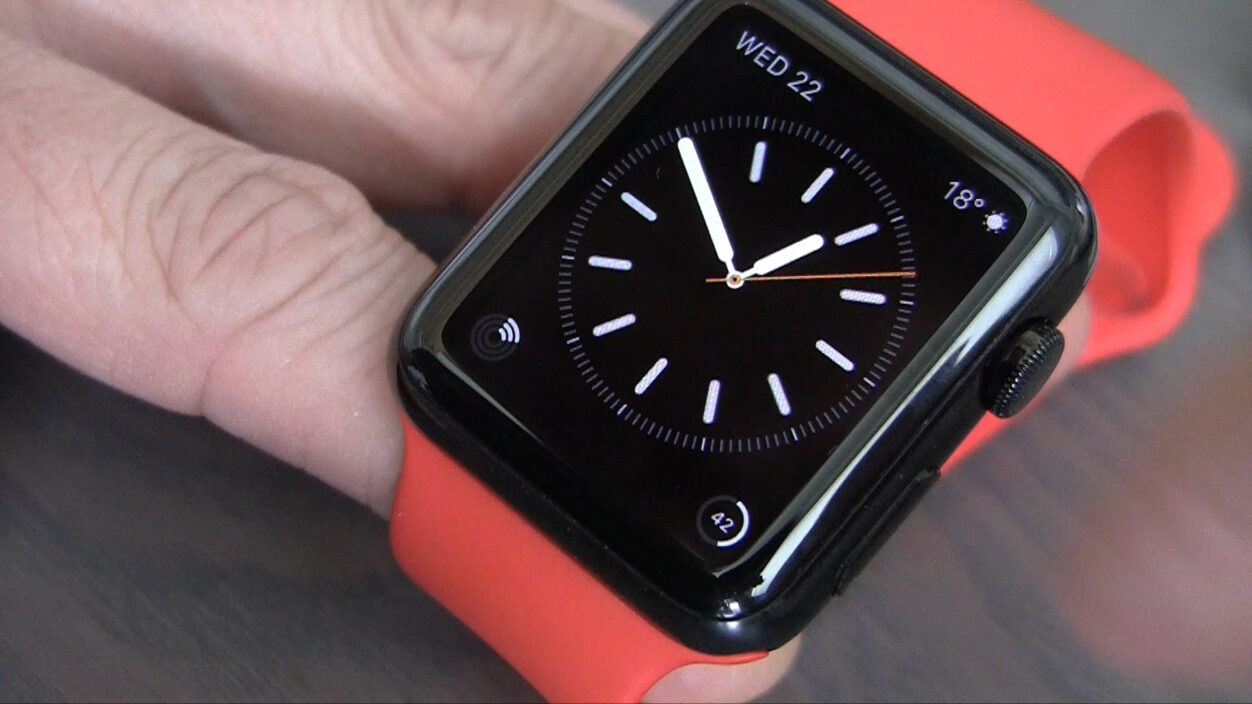
WatchOS 3 ist ein Richtungswechsel für Apples Uhr. Ohne Punkt für Punkt auf alle einzelnen Neuerungen einzugehen, möchte ich in dieser Woche einen Blick auf das große Ganze werfen. Von was verabschiedet sich Apple mit watchOS 3? Wohin soll es zukünftig mit der Apple Watch gehen?
Du bist bereits Abonnent? [memberful_sign_in_link]Login[/memberful_sign_in_link]
Du bist noch kein Abonnent, aber dein Interesse wurde geweckt? Mehr Infos zu iPhoneBlog und die Möglichkeit dabei zu sein.
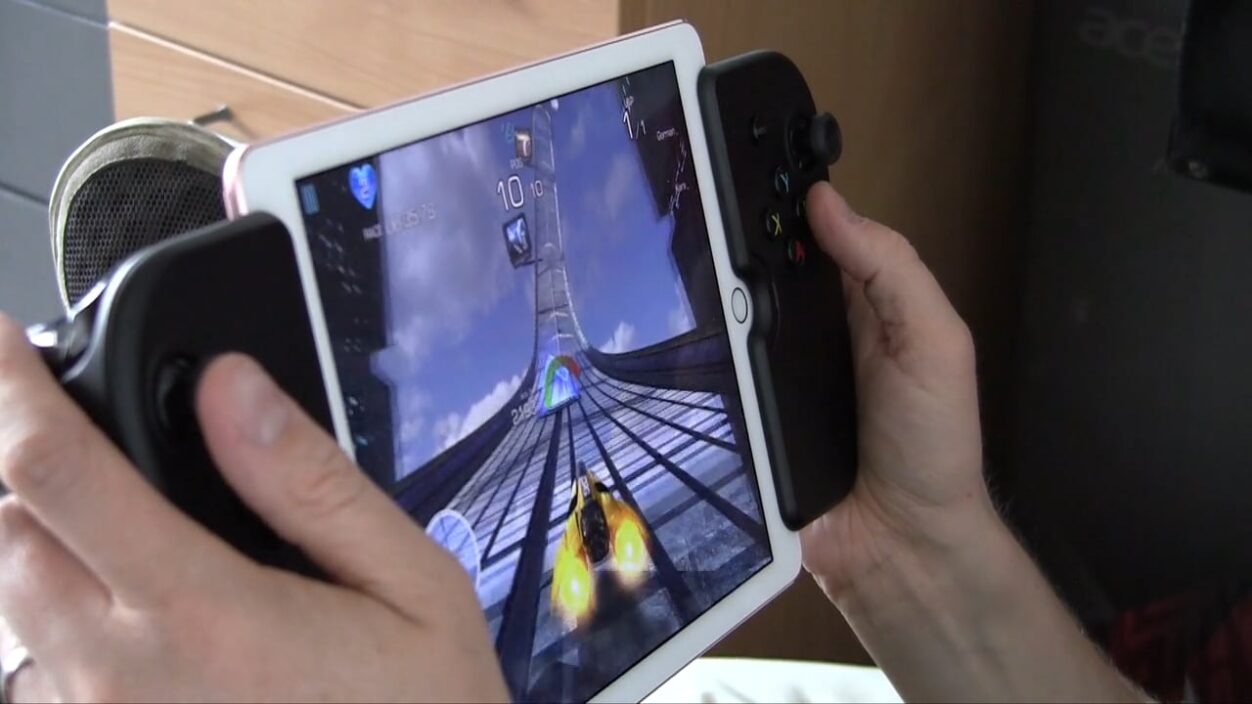
Meine ersten Stichpunkte zum Gamevice, einem MFi-Controller für das kleine iPad Pro und das ältere iPad Air (in anderen Ausführungen auch passend fürs iPhone 6s sowie zukünftig das ganz große iPad Pro), habe ich in ein kurzes Video verpackt.
Nach langer langer Anlaufzeit ist das Gamepad in dieser Tablet-Ausführung nun seit Anfang Juni erhältlich. Ich habe dieses Exemplar, das mein Baby-Pro ins Game-Boy-Format steckt, direkt bei Apple bestellt (109€).
Wer auf die Klammer-Konstruktion verzichten kann, weniger Geld ausgeben möchte und gleichzeitig auch am Apple TV spielt, dem empfehle ich (weiterhin) den Nimbus von SteelSeries.
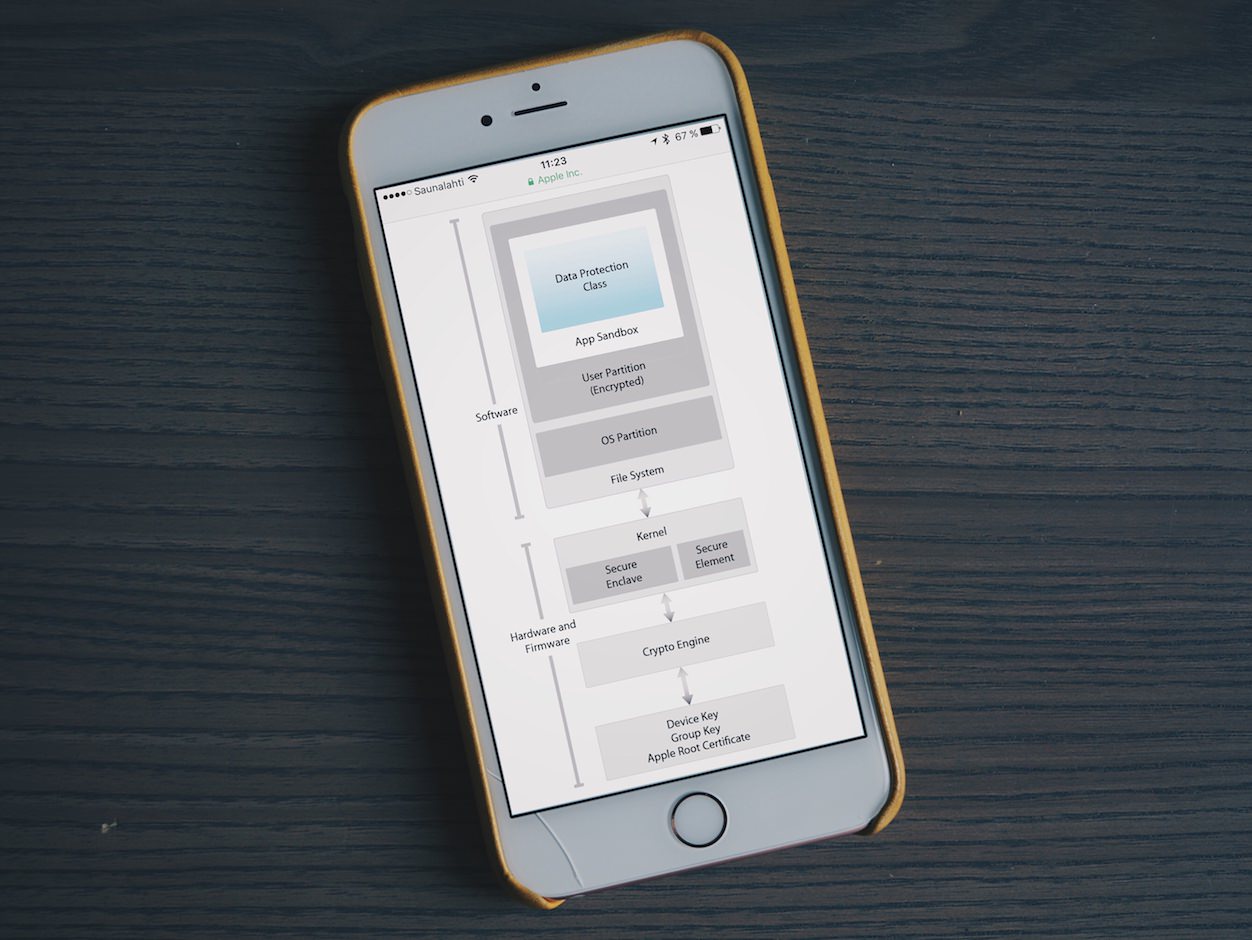
Der iOS-Kernel liegt mit Beta 1 von iOS 10 erstmals unverschlüsselt vor.
Apples Erklärung:
“The kernel cache doesn’t contain any user info, and by unencrypting it we’re able to optimize the operating system’s performance without compromising security,” an Apple spokesperson told TechCrunch.
Apple führt nicht näher aus was sich an einem unverschlüsselter Betriebssystemkern genau „optimiert“.
Unmissverständlich ist aber ihre Absicht, sich nicht noch einmal vom FBI auf die Füße treten zu lassen. James Comeys Behörde verspielte sich mit ihrer Shopping-Tour nach Exploits – finanziert über US-Steuergeldern – und der anschließenden Geheimhaltung der eingekauften Sicherheitslücke, jegliche Integrität und den Respekt von Silicon Valley.
Jonathan Zdziarski, an expert on iOS security, said Monday that change could mean more flaws get found—and fixed—in Apple’s operating system. “Opening up the OS might help other researchers to find and report bugs, by giving everyone just as much visibility as an advanced and well-funded research team might have,” he said.
If more people report bugs to Apple, it could make it harder for law enforcement and governments to use a tactic the FBI employed to get into an iPhone used by a perpetrator of last year’s mass shooting in San Bernardino, California.
Vor knapp drei Jahren, im Oktober 2013, kaufte sich der japanische Mobilfunkanbieter SoftBank 51-Prozent vom finnischen Games Studio Supercell und zahlte dafür 1.53 US-Milliarden. Heute übernimmt Tencent, das chinesische Internet-Unternehmen mit Investitionen in Epic Games, Activision Blizzard, Vivendi und Snapchat sowie Besitzer von Riot Games (League of Legends) und dem Blockbuster-Messenger WeChat, insgesamt 84-Prozent der Spielebude aus Helsinki für 8.6 Milliarden US-Dollar.
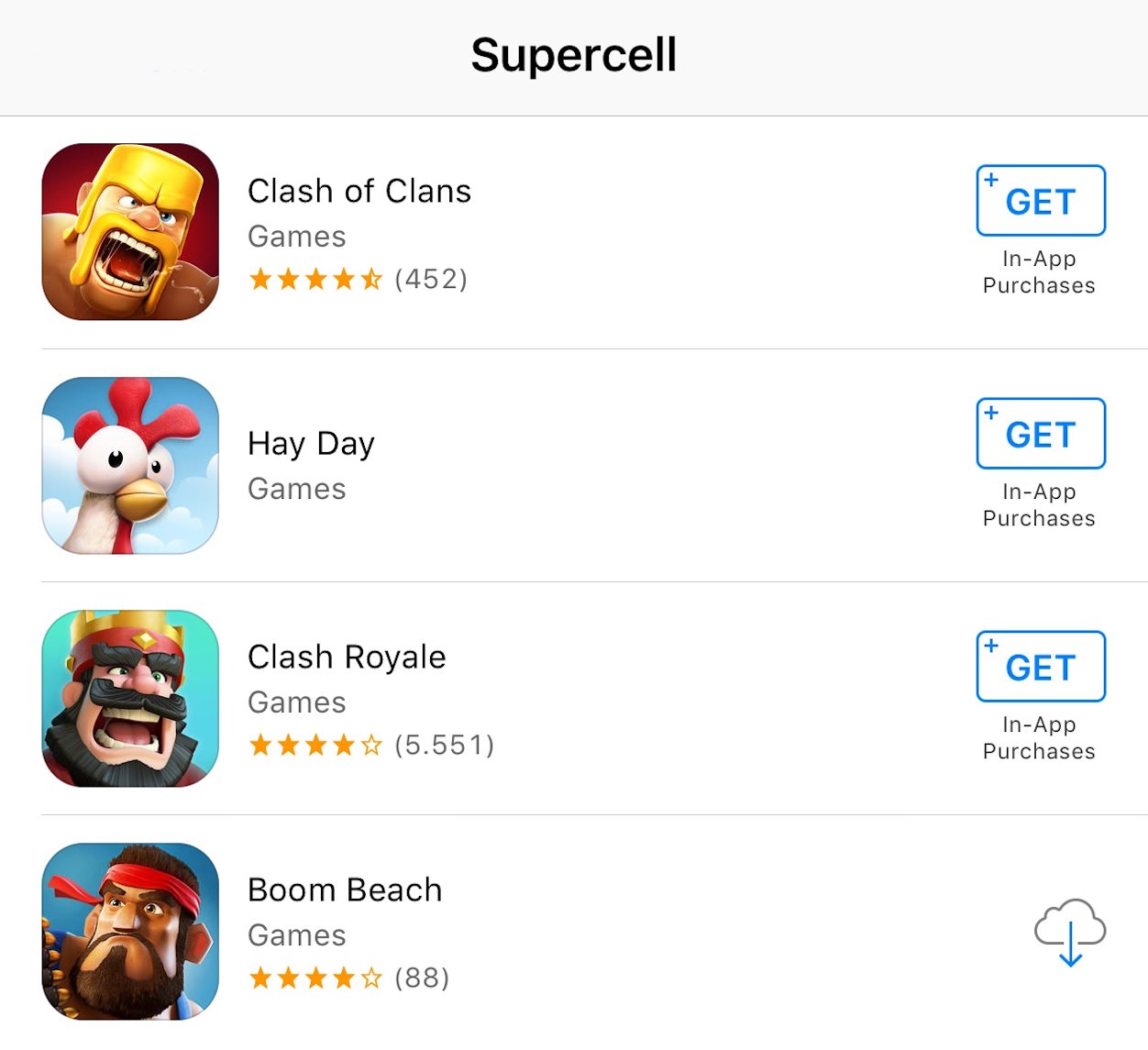
Supercell vertreibt mit Hay Day, Clash of Clans, Boom Beach und Clash Royal insgesamt vier (!) Free-to-Play-Spiele in Apples App Store und Googles Play Store (und erreicht damit 100 Millionen „täglich aktive Spieler“).
First, we have agreed with Tencent that Supercell will continue to be operationally independent, exactly as it was under SoftBank’s ownership. They understand that our unique culture of small and independent teams (or „cells“ as we call them) is what makes Supercell. We want Supercell to continue to be the world’s best place for creative people to create games. Also, our headquarters will stay in Helsinki and we will pay our taxes in Finland. All of this is very important for us.
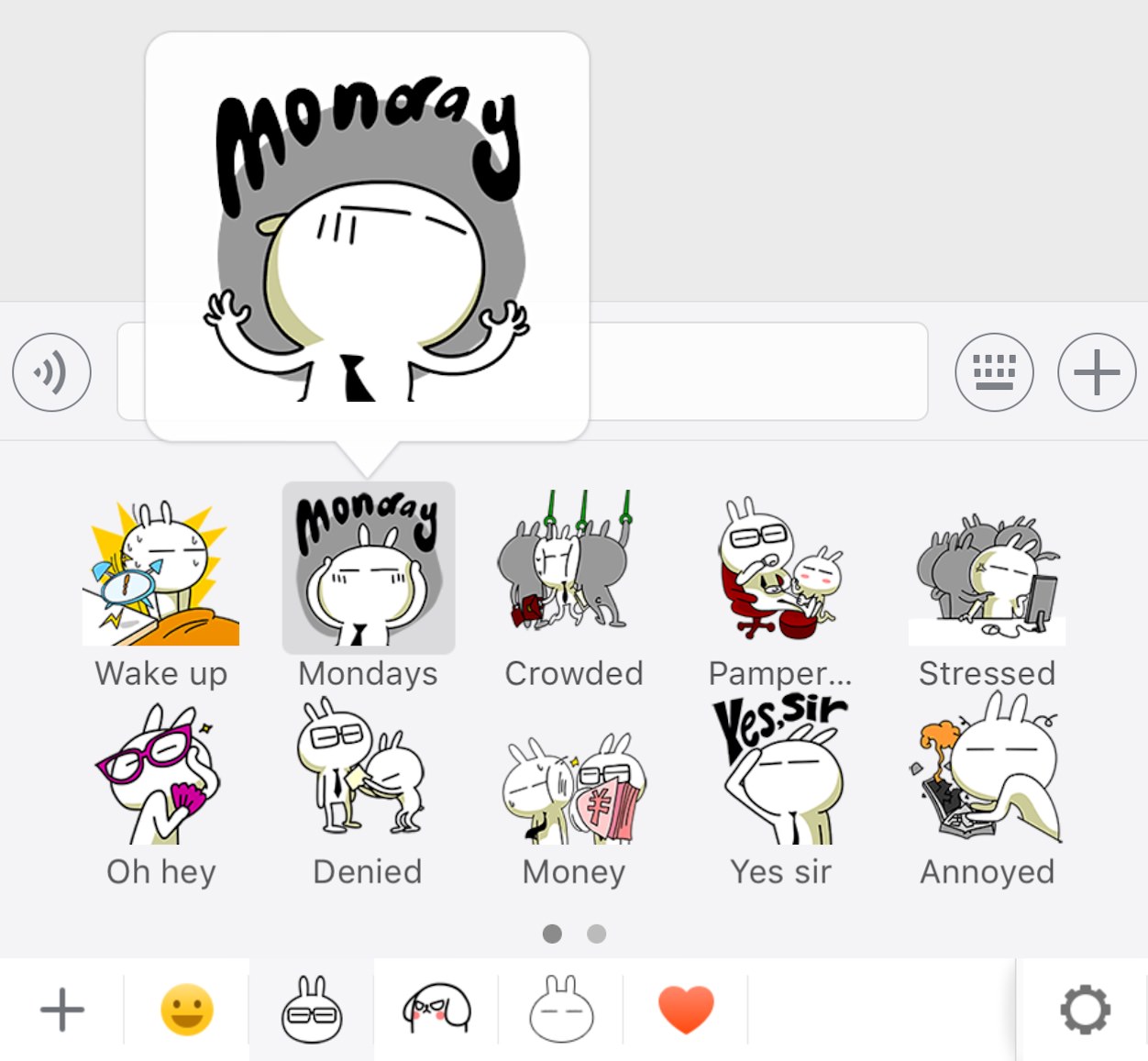
Connie Chan hat mir mit ihrem Text über Sticker in Chat-Apps viel zustimmendes Kopfnicken abgerungen.
And sometimes stickers can convey what words cannot! This form of visual communication has become so popular in Asia — especially in China’s WeChat and Japan’s LINE — that it is not uncommon to see a deep thread of multiple messages without a single word. They’re not just for those crazy young kids. More notably, stickers are commonly used in professional, not just personal, chats as well. Not so frivolous after all. In fact, stickers are so core to the success of Line, that its CEO actually credited them as the “turning point” for that app. He shared that it took Line Messenger almost four months to find its first two million users … but after stickers were launched, it took only two days to find the next million. The company now makes over $270M a year just from selling stickers.
Session 204 der diesjährigen WWDC zeigt wie man als Kreativkopf – ohne eine Zeile Code – seine Sticker-Sets in Apples Nachrichten-App bringt. Ich glaube, es ist eine sichere Wette, dass dieses bereits langjährig etablierte Feature aus Asien auch in Europa und Nordamerika zieht.
As an academic researcher and a security professional, I have mixed feelings about Apple’s announcement. On the one hand, as a researcher I understand how exciting it is to see research technology actually deployed in the field. And Apple has a very big field.
On the flipside, as security professionals it’s our job to be skeptical — to at a minimum demand people release their security-critical code (as Google did with RAPPOR), or at least to be straightforward about what it is they’re deploying. If Apple is going to collect significant amounts of new data from the devices that we depend on so much, we should really make sure they’re doing it right — rather than cheering them for Using Such Cool Ideas. (I made this mistake already once, and I still feel dumb about it.)
But maybe this is all too „inside baseball“. At the end of the day, it sure looks like Apple is honestly trying to do something to improve user privacy, and given the alternatives, maybe that’s more important than anything else.
Matthew Green, Krypto-Professor an der John Hopkins Universität in Baltimore, schreibt den Artikel, den jeder zum Thema gelesen haben sollte.
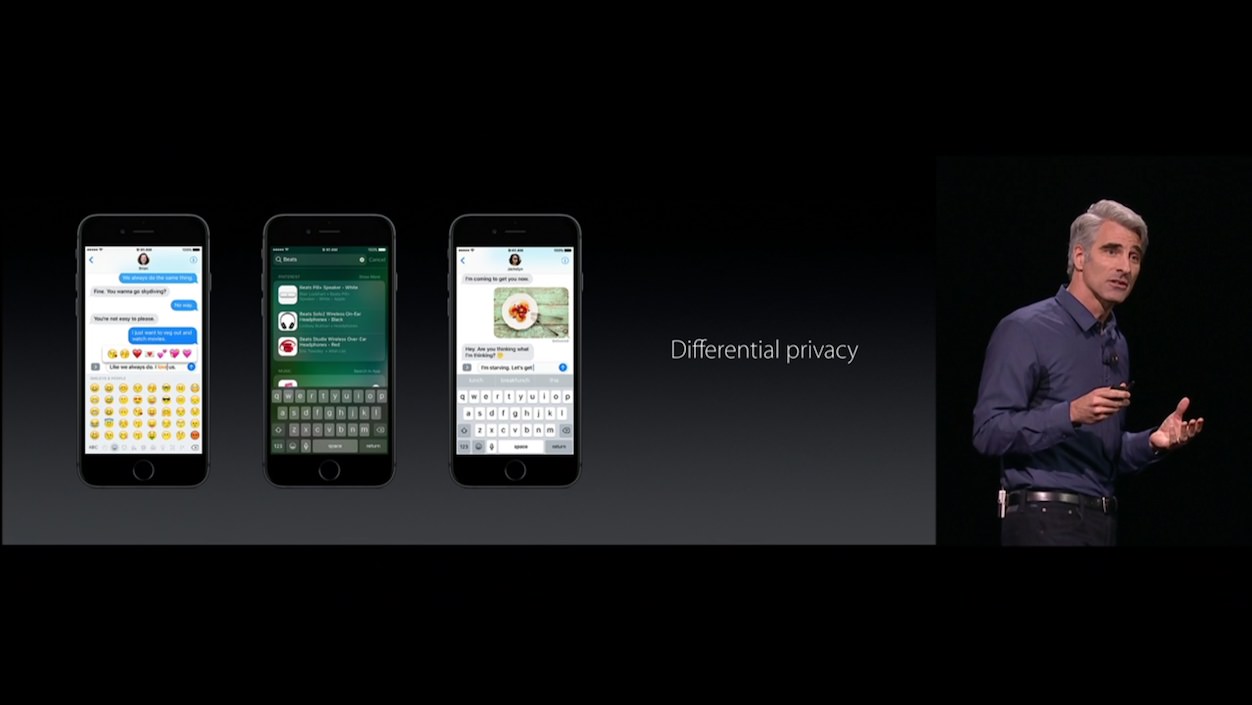
Der Knackpunkt von Differential Privacy ist ein Parameter der sich „privacy budget“ nennt. Wie viel „Rauschen“ (falsche Werte) streue ich in eine Erhebung von Daten ein um individuelle Nutzer nicht zu identifizieren, gleichzeitig aber auch nicht die Untersuchung zu verfälschen.
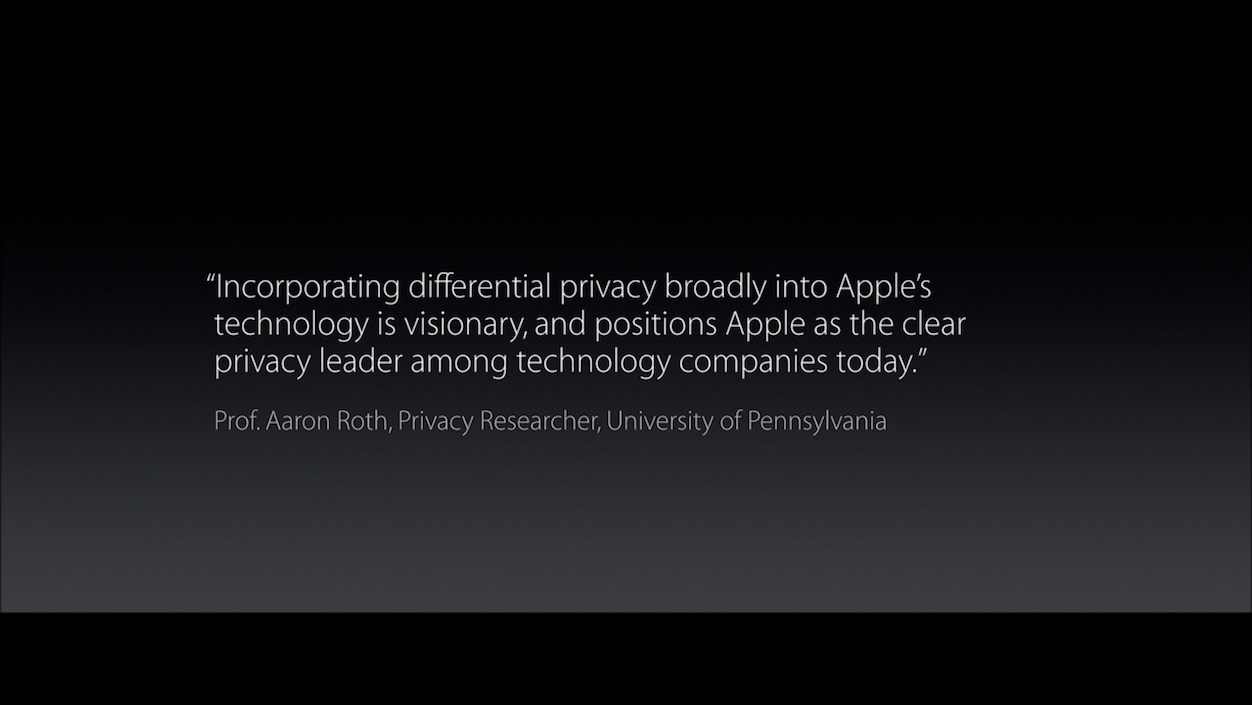
Differential Privacy, Apples Verwendung eines Models, das in der Wissenschaft bei einer statistischen Analyse eingesetzt wird, ist in der Theorie simpel, aber in der Umsetzung schwierig. So schwierig, dass einige Studien dieses Modell für „eingeschränkt praktikabel“ erachten.
Ein Projekt, das Differential Privacy bereits mit großem Datensatz betreibt, tatsächlich betreibt, ist Google. Das Team aus Mountain View lernt mit einer (vermeintlich) ähnlichen Implementierung wie weit verbreitet unter Chrome-Nutzern Schadsoftware ist, die deren Browser-Einstellungen (ungewollt) hijacken.
To understand RAPPOR, consider the following example. Let’s say you wanted to count how many of your online friends were dogs, while respecting the maxim that, on the Internet, nobody should know you’re a dog. To do this, you could ask each friend to answer the question “Are you a dog?” in the following way. Each friend should flip a coin in secret, and answer the question truthfully if the coin came up heads; but, if the coin came up tails, that friend should always say “Yes” regardless. Then you could get a good estimate of the true count from the greater-than-half fraction of your friends that answered “Yes”. However, you still wouldn’t know which of your friends was a dog: each answer “Yes” would most likely be due to that friend’s coin flip coming up tails.
Der Aufwand ist notwendig, weil die zusätzlich eingefangenen Daten der Anonymisierung entgegenlaufen. Es reicht nicht aus einfach nur den Namen oder die ID aus dem Datensatz zu löschen.
And part of the reason that this is so important to get into is because, the theory that you can just anonymize the data and send it up, and all’s good, and it’s a bunch of crap —
Because I can send all this data, and say „Well, I don’t know who you are, oh, but I happen to know the same location you go to every night, and I know the same place you go to work every day, I’ve got all this data, I just don’t know your name, or ID. Boy, it’s really hard to reverse-engineer that anonymous data!“
Right? So what you need to do is create a system that goes beyond anonymizing to really make it impossible to reconfigure who that user is.
Apples selbsterklärtes Ziel ist es, dass erst gar kein Datensatz entsteht, bei dem die Chance einer Metadaten-Auswertung bestünde (auch nicht in der Zukunft):
(…) the point of view that someone says, „Hey, I know we know a ton about you, but don’t worry! We’re nice guys! And it’s all good!“
Well, okay, maybe you’re nice guys, ten years from now, who’s running this thing? Or, what if someone breaks into your computers? Are they nice guys?
Differential Privacy ist damit ein selbst auferlegter Kompromiss – ein Kompromiss zwischen Datenschutz der teilnehmenden Nutzer_innen und einer Genauigkeit der erhobenen Werte.
Es ist sehr einfach (anonymisierte) Rohdaten zu sammeln, auszuwerten und damit seine Algorithmen und Modell zu trainieren. Dies jedoch in einer Form zu tun, die mathematisch allen Teilnehmern und Teilnehmerinnen Anonymität garantiert (und nicht nur die Spalte mit den dazugehörigen Namen löscht), ist ein hehres Ziel. Ein hehres Ziel dessen Erfolg sich ‚von Außen‘ – ohne extra Informationen von Apple – schwierig überprüfen lässt.
Vielleicht bekomme ich eine Taco-Emoji-Empfehlung auf der QuickType-Tastatur weil jeder das kleine Bildchen durch die Gegend schickt. Vielleicht taucht der Vorschlag aber auch nur auf, weil der künstlich verwässerte Datensatz zu ungenau ist.
Trotz alledem stehen diese (noch) offenen Fragen in keinem Vergleich mit der Art und Weise wie Google, Facebook oder Amazon Nutzerdaten sammeln und auswerten. Das ist nicht zwangsläufig eine Wertung, sondern aus technischer Perspektive lediglich ein anderer Kompromiss (der die einfache Frage nach sich zieht ob die von Apple gewonnen Ergebnisse gut genug sind).